The story of Katie Newell, a 38-year-old woman from Liverpool, UK, has captured headlines after she successfully lost over 85kg in just one year. Her journey from weighing 158kg to her current weight of 72kg highlights the life-changing potential of medical intervention for those struggling with severe obesity.
At her heaviest, Katie’s daily routine was dominated by high-calorie, ultra-processed foods. She began her days with sugary cereals and buttered toast, followed by fast-food lunches and binge-eating sessions that included chocolate biscuits and chips. The physical toll was immense; she required a walking aid for basic mobility and suffered from a rare condition that caused severe pain and internal complications.
The Turning Point: Single Anastomosis Gastric Bypass
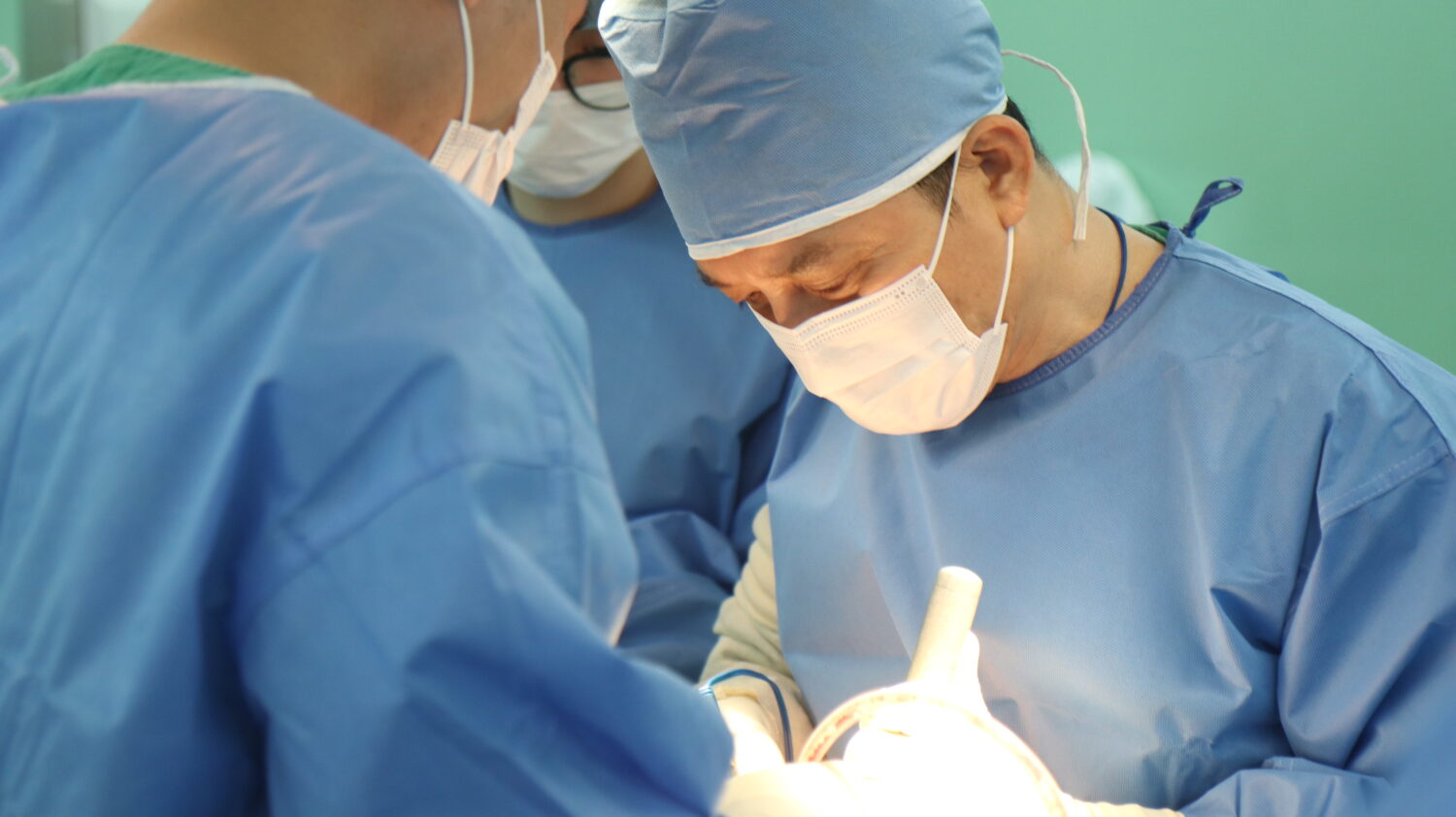
Compounding her health issues was the medication she took for her condition, which listed weight gain as a primary side effect. At the recommendation of her doctor, Katie underwent a "single anastomosis gastric bypass" on January 18 of last year.
This specific surgical procedure involves two primary mechanisms:
Restriction: The stomach is reshaped into a narrow, long pouch, significantly limiting the amount of food that can be consumed at once.
Malabsorption: A portion of the small intestine is bypassed, meaning the body absorbs fewer calories and nutrients from the food that is eaten.
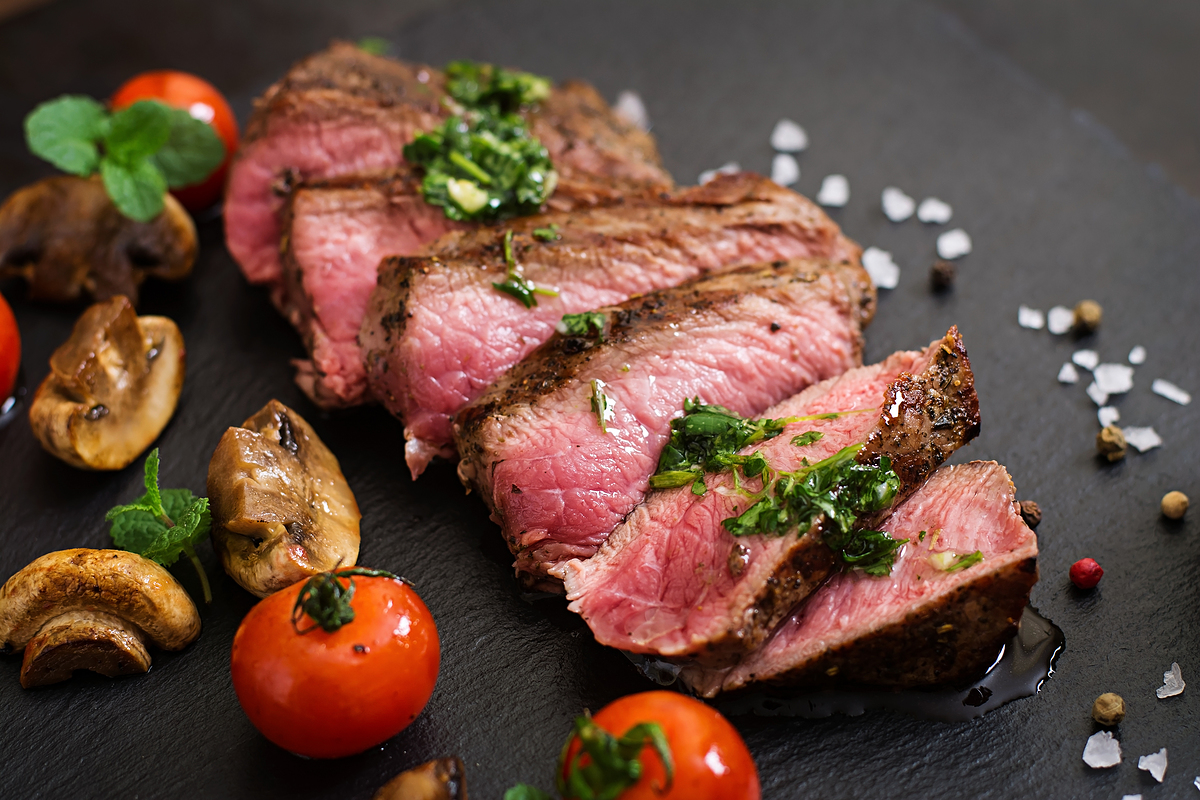
A year later, Katie’s lifestyle has undergone a complete overhaul. Her diet now consists of light meals like soup and fruit in the afternoon, followed by high-protein meat and vegetables for dinner.
Beyond the Scale: Pain Relief and Diabetes Reversal
The benefits of Katie’s weight loss extended far beyond aesthetics. As the numbers on the scale dropped, her debilitating waist and hip pain disappeared. "I encourage anyone wanting to lose weight to seek professional treatment through consultation with a doctor," she advised.
Katie also successfully reversed her pre-diabetic status. In a state of severe obesity, the body often develops insulin resistance, where the hormone responsible for regulating blood sugar loses its effectiveness. Significant weight loss improves insulin sensitivity and reduces the release of inflammatory cytokines from adipose (fat) tissue, which directly alleviates musculoskeletal pain.
Understanding the Risks and Recovery
While Katie’s results are remarkable, gastric bypass surgery is a serious medical procedure reserved for patients with morbid obesity or metabolic diseases that haven't responded to lifestyle changes.
The surgery typically takes one to two hours and requires a short hospital stay. However, patients must be aware of potential long-term side effects, including:
Nutritional Deficiencies: Reduced absorption can lead to shortages of iron, calcium, and essential minerals.
Surgical Complications: Risks include bile reflux or ulcers at the connection site (anastomosis).
Because of these factors, post-operative patients must commit to lifelong nutritional supplementation and regular blood tests to ensure their body remains balanced and healthy.