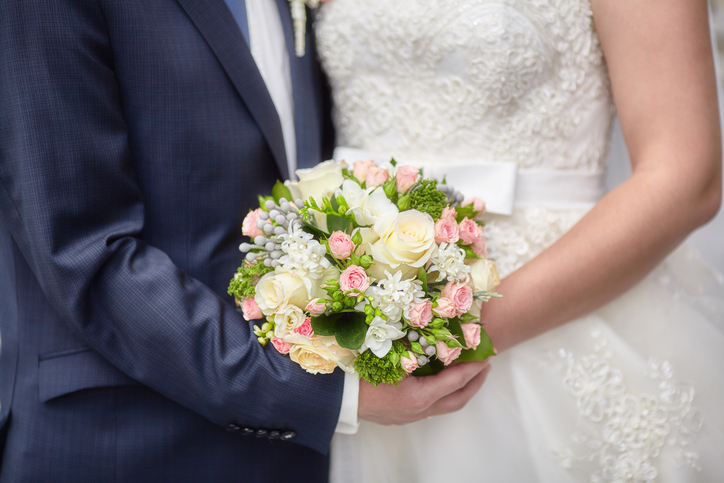
With the rise of dating apps and social media, opportunities to find a partner have increased significantly compared to the past. Nevertheless, the demand for arranged marriages remains steady. Recently, a matchmaking company in South Korea targeting exclusively owners of high-end apartments in Seoul has become a major topic of discussion.
This trend has reignited a long-standing debate: Which leads to more happiness—a romantic marriage or an arranged one? However, according to a study published in the Archives of Sexual Behavior, there is no significant difference in the quality of love between those in arranged marriages and those who chose their partners through romance.
Comparing Five Unique Societies
A research team from the University of Wrocław in Poland selected five non-Western societies where both arranged and romantic marriages coexist to explore the characteristics of marital love. The study focused on:
The Igbo people (residing in southeastern Nigeria)
The Botiya people (an ethnic group related to Tibetans living in the Himalayas)
The Meru people (a group of 26 clans in Tanzania primarily engaged in traditional agriculture)
The Kimaru people (indigenous people in central Kenya)
The Chimane people (an agricultural-hunting-gathering society in the Bolivian Amazon)
The participants included 110 Botiya, 98 Igbo, 124 Kimaru, 118 Meru, and 148 Chimane individuals. While the Meru participants were exclusively women, the other four groups consisted of approximately 50% women.
Measuring the Three Dimensions of Love
Participants were first asked whether they chose their own spouse or if the union was determined by family. They then completed a questionnaire based on the Triangular Theory of Love, which assesses three specific dimensions:
Intimacy: (e.g., “I share very personal information about myself with my partner”)
Passion: (e.g., “I often think about my partner throughout the day”)
Commitment: (e.g., “I believe my relationship with my partner is everlasting”)
The Results: Challenging Common Perceptions
The study found that, on average, participants in arranged marriages did not show significant differences in these three dimensions of love compared to those in romantic marriages. However, some cultural nuances were observed:
Among the Botiya and Chimane, those in romantic marriages tended to report higher levels of Intimacy. For the Botiya, this gap only appeared after the marriage had lasted more than 10 years.
Botiya participants in romantic marriages also experienced higher levels of Passion, while Chimane couples in romantic unions reported higher Commitment.
In contrast, Meru participants in arranged marriages actually reported higher levels of both Intimacy and Passion compared to those in romantic marriages.
The researchers concluded that these findings debunk the Western stereotype that arranged marriages lack emotional depth, demonstrating that love and happiness can thrive regardless of how a couple was first introduced.