"Many breast cancer patients struggle with the process of fighting the disease. This is likely due to the thought that they have to give up a lot as women. Those individuals need opportunities and faith. Providing that is the role of a doctor."
Breast cancer is common enough to rank first in cancer incidence among women in the country, but it is known to have a higher survival rate the earlier it is detected. Statistics show that 95 out of 100 patients diagnosed at stage 2 or earlier can survive for more than five years.
The problem is that there are many types of breast cancer and the characteristics of patients vary. Depending on the situation, many patients have to endure physical changes such as breast removal or hair loss. For this reason, medical staff must carefully observe the characteristics and tendencies of the patients and work together to devise an optimized treatment strategy.
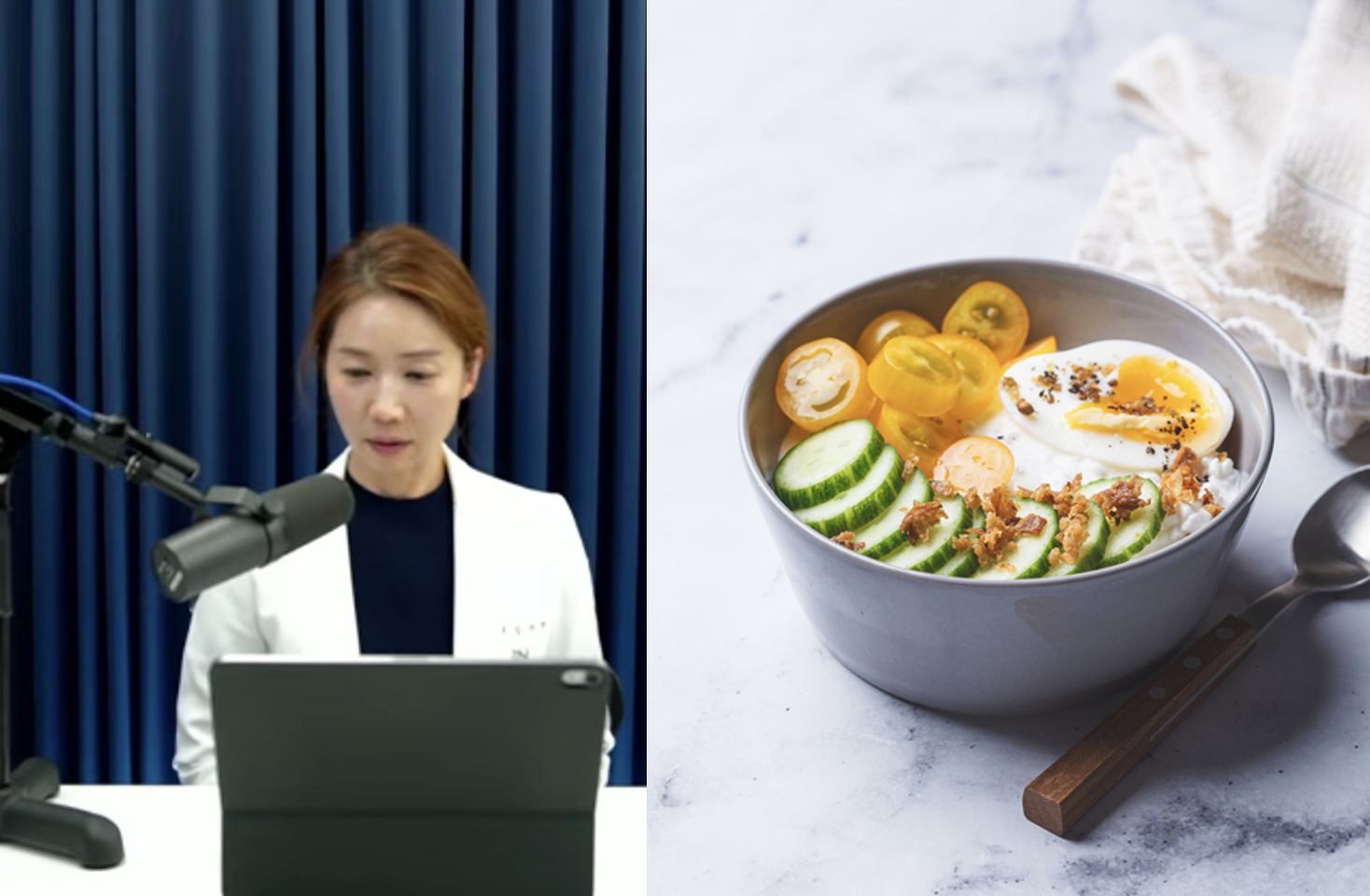
On the occasion of the 2026 'World Cancer Day', we met with Professor Ahn Seong-kyu, a breast surgeon at Gangnam Severance Hospital, who said, "I want to convey real hope, not a torment of hope, to patients."
There is No Such Thing as a 'Good Cancer'
Breast cancer can be divided into three types based on the biological characteristics (risk) of the tumor.
If the tumor has hormone receptors such as estrogen or progesterone, it is referred to as 'hormone receptor-positive' breast cancer. In this case, treatment that blocks the action of female hormones is possible, and the tumor grows relatively slowly. This is the most common type, accounting for about 60-80% of all breast cancers.
If the receptor protein HER2 (human epidermal growth factor receptor 2) is found in excess in the tumor, it is called 'HER2-positive' breast cancer. This type accounts for about 15-20% of all breast cancers and tends to grow quickly. However, recently, targeted therapies have been developed that use HER2 proteins to specifically locate and attack cancer cells, improving treatment outcomes.
Cancers that lack both hormone receptors and HER2 are referred to as 'triple-negative breast cancer', which accounts for about 15% of breast cancer patients. This type exhibits the most aggressive form and requires chemotherapy.
From a classification standpoint, hormone receptor-positive breast cancer may seem like a 'good cancer' due to its slow progression and favorable prognosis. However, breast cancer treatment is not that simple. There are no 'good cancers' in cancer treatment.
Professor Ahn explained, "The 'ovarian function inhibitors' prescribed to hormone receptor-positive breast cancer patients are drugs that artificially induce a menopausal state in the patient's body," adding, "It is a process that goes beyond being unnatural and is extremely painful."
In particular, younger patients in their 30s and 40s often express that after experiencing this medication, "I feel like my body has become that of an old woman and is stiff like a robot." Physical changes similar to those experienced by menopausal women, such as facial flushing, joint pain, and insomnia, also occur. This hormonal treatment can last for more than five years, and despite this, some patients ultimately experience a recurrence.
Believing in a Little Possibility
So why has the number of breast cancer patients increased? Professor Ahn analyzed that "overall lifestyle changes have had an impact." There are now many women who do not give birth or breastfeed, which are traditionally known to have preventive effects against breast cancer, and even when they do, it is mostly at a later age than their parents' generation.
He added, "However, we cannot encourage marriage, childbirth, and breastfeeding solely for breast cancer prevention, and even if one does give birth, some may not be able to breastfeed due to their constitution," stating, "What I can do as a doctor is to devise the optimal strategy that fits the patient's situation."
Professor Ahn shared that he has keenly felt how important the role of medical staff is in deciding which treatment method to choose, how to reflect the patient's wishes in the process, and how to persuade them on non-negotiable aspects.
"In the end, it’s about choice and focus. No matter which treatment method is chosen, there is a price to pay for it. Many patients cannot bear the thought of losing their hair. There are patients who feel disheartened when told that the tumor has invaded the nipple and that they must give it up. Some patients refuse chemotherapy because of the experience of losing a family member during treatment. This is all within the patient's unique realm and philosophy, so there are times when it is frustrating or disappointing that a doctor cannot forcefully recommend something."
In response, Professor Ahn established the principle of 'respecting the patient while seeking alternatives.' If he cannot override the patient's wishes, he combines various treatment strategies that can yield similar effects. He believes that if patients who cannot take time off work or cannot afford non-covered treatments can establish a reasonable treatment strategy with the medical staff, there are sufficient opportunities for treatment.
Professor Ahn Seong-kyu did not forget to convey a message of comfort to patients on the occasion of 'World Cancer Day.'
"Breast cancer is not as easy as it is known to be, but treatment methods have certainly advanced and diversified compared to the past. As a doctor, 'tormenting hope' is something that should never be done. However, if there is even a little hope that one can recover, I believe it is my job to show that hope to the patient and develop it with faith. It is difficult, but recovery is definitely possible. Do not give up."