We’ve entered an era where you don’t have to give up “noodles” even while dieting. So-called “new-gen noodles,” made by changing the ingredients and nutritional profile instead of using wheat flour, are emerging as a new option for meal planning. From konjac noodles that cut calories while keeping you full, to soy/tofu noodles that boost protein, to seaweed noodles rich in dietary fiber, there are many varieties. However, you can’t expect the same weight-loss effect from all of them. To get real help with weight management, you need to choose based on each noodle’s characteristics and your intended use.
Konjac noodles | Minimize calories, advantageous early in weight loss
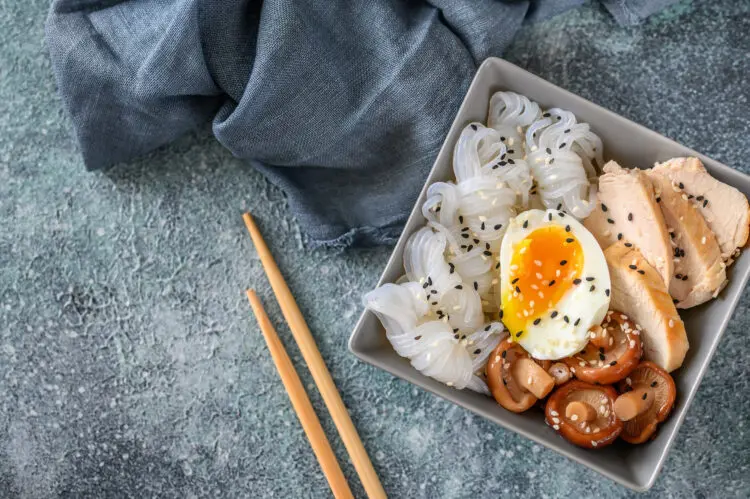
Konjac noodles are a representative noodle alternative that can reduce calorie burden the most. Their main component, glucomannan, absorbs water and expands in volume while remaining very low in actual calories, helping you feel full quickly. They’re especially useful early in a diet when you need to cut portion sizes, or as a late-night snack substitute, and they also have the advantage of being gentler on blood sugar. However, because they contain almost no protein or fat, eating them repeatedly as a stand-alone meal can leave you hungry again quickly. As a basic rule, be sure to pair them with vegetables and protein foods such as eggs, chicken breast, or tofu, and it’s best to avoid relying on them as a staple over the long term.
Protein noodles | Satiety & nutritional balance, ideal for diets paired with exercise
Protein noodles made from soy, tofu, pea protein, and similar ingredients are an option that can deliver both the “satisfaction of eating noodles” and better nutritional balance. Compared with regular noodles, they lower the proportion of carbohydrates and increase protein content, which helps keep you full longer. They’re especially useful for diets that include exercise, or as a meal replacement after strength training. They can also help fill gaps in diets where protein intake tends to fall short. That said, they’re higher in calories than konjac noodles, and depending on your sauce and topping choices, the total calories can rise easily—so portion control per serving is necessary.
Seaweed noodles | Rich in dietary fiber, a choice that also considers gut health
Seaweed noodles made from seaweeds such as wakame and kelp are rich in dietary fiber and minerals, supporting satiety and gut health. Because they digest relatively slowly, post-meal blood sugar rises more gradually, and the feeling of fullness tends to last longer. They also have a satisfying chew, making them appealing to people who value the “noodle-eating feel.” However, due to the nature of seaweed, iodine content can be high, so excessive intake should be avoided. Depending on the product, the saltiness can be strong, so it’s important to rinse thoroughly before use to reduce sodium.
Even with the same noodles, the combination determines diet success or failure
Even with new-gen noodles, the diet impact can vary greatly depending on the sauce and toppings. If you add cream sauce or seasonings high in sugar, it’s not much different from a typical noodle dish. The basic principle is to add plenty of vegetables and include a protein source, while keeping seasoning to a minimum. Soupy dishes require caution because they can increase sodium intake and stimulate appetite. If you’re using the same noodles, mixed (bibim-style) or lightly stir-fried preparations are more suitable for weight management. More than the noodles themselves, “how you eat them” determines the outcome.
The key to noodles that don’t make you gain weight is “substitution” and “frequency control”
Konjac noodles, protein noodles, and seaweed noodles are all tools meant to replace wheat-flour noodles. Rather than filling every meal with noodles, it’s more realistic to use them about 2–3 times per week. For the rest of your meals, you should also eat a variety of carbohydrate foods—such as rice, whole grains, and potatoes—to maintain nutritional balance. The more you rely on a single substitute food, the less sustainable your diet may become. New-gen noodles are less a shortcut to weight loss and more like a helper that makes it easier to stick with a healthy eating plan over time.