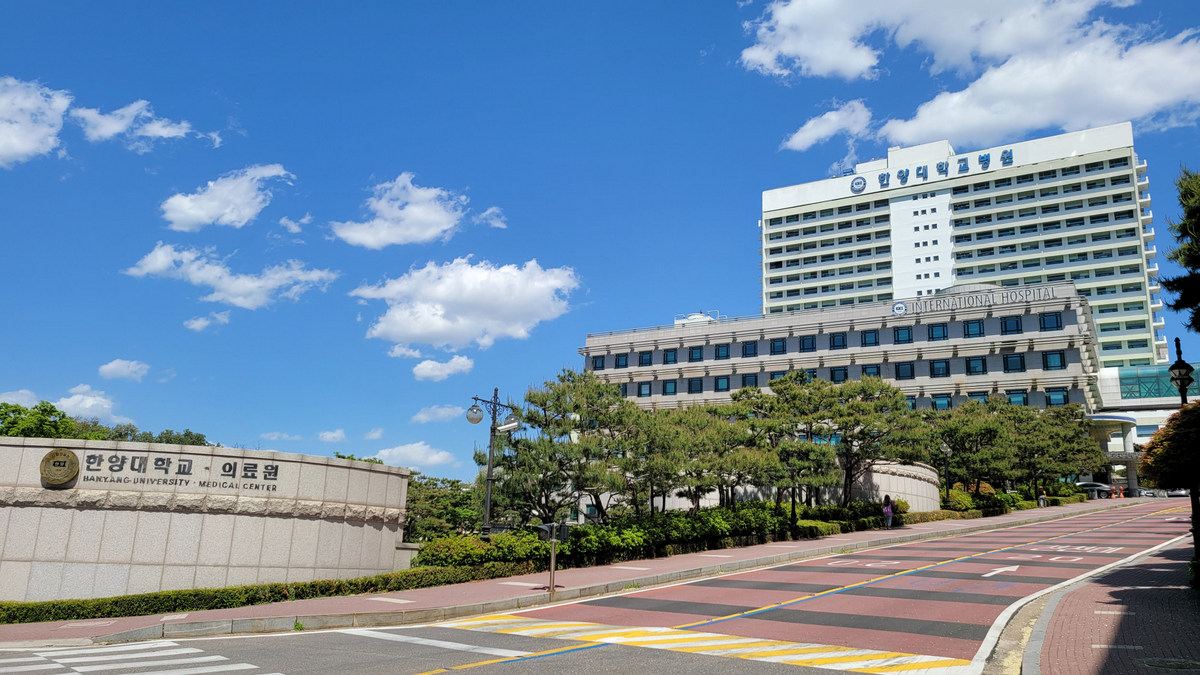
Hanyang University Hospital is reorganizing the cancer center it has operated for 35 years into Hanyang University Cancer Hospital, a dedicated medical institution focused on oncology care. The new cancer hospital will bring 15 specialized cancer units and its multidisciplinary care framework under one umbrella, while strengthening a fast-track system and patient-navigation program to shorten the timeframe from diagnosis to surgery.
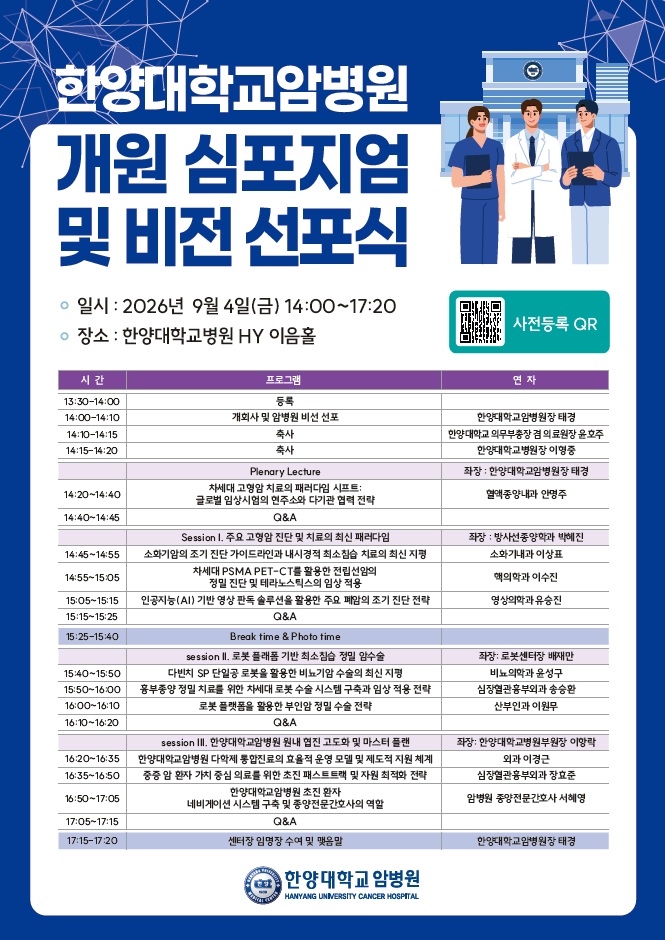
Hanyang University Cancer Hospital will officially launch on Sept. 4, the hospital announced on the 25th. To mark the occasion, the hospital will hold an academic symposium themed “Paradigm Shift in Next-Generation Solid Tumor Treatment.”
The hospital’s history in oncology care dates back to 1991 with the establishment of its original cancer center. Over the past three decades, it has expanded cancer-specific clinical care and research, capabilities that are now being integrated into a fully dedicated cancer hospital structure.
Consolidating 15 Specialized Units to Strengthen Multidisciplinary Care
The new cancer hospital will operate 15 specialized units, covering lung, head and neck, thyroid, breast, colorectal, stomach, urologic, and gynecologic cancers.
Multidisciplinary care sits at the core of this operational model. For each patient, specialists across multiple disciplines—including surgery, hematology-oncology, radiation oncology, and radiology—jointly review diagnostic results to establish a tailored treatment plan.
Hanyang University Hospital has provided multidisciplinary cancer care since 2014. In 2022, it surpassed 1,000 total multidisciplinary treatment cases, and in March this year, it recorded 1,000 cases in lung cancer care alone.
The transition to a dedicated cancer hospital is designed not to create an entirely new collaborative model, but to more tightly integrate clinical capabilities that the hospital has already been refining into a single cohesive organization.
The hospital also aims to significantly reduce waiting times. Through its fast-track pathway, it plans to guide cancer patients from their initial visit through diagnostic testing to surgery within one week. Dedicated coordinator nurses will manage testing and appointment schedules, guiding patients throughout the treatment continuum.
Hospital officials noted that this does not mean every cancer patient will undergo surgery within seven days, as actual treatment timelines will vary depending on cancer type, staging, and the need for additional diagnostic evaluations.
From Precision Diagnostics to AI-Powered Screening
The opening symposium will examine key shifts in cancer diagnosis and treatment.
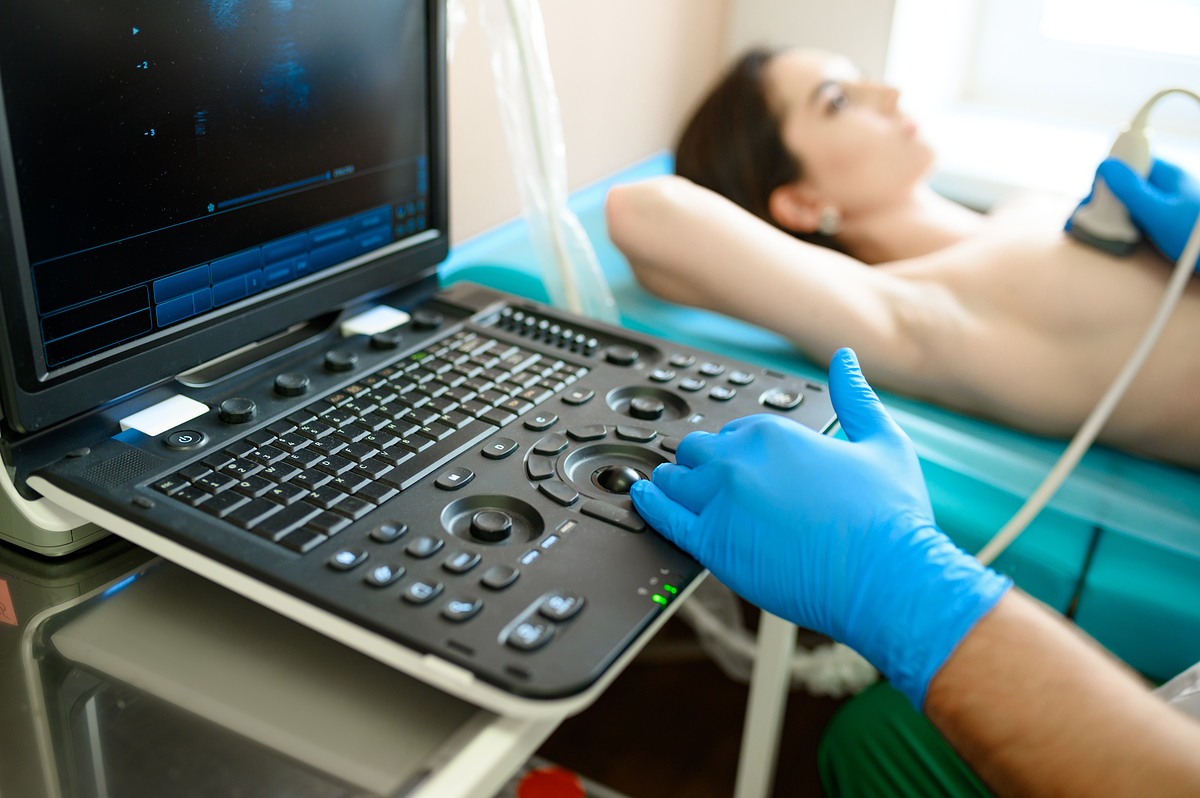
The first session will focus on early diagnosis and minimally invasive endoscopic treatments for gastrointestinal cancers, precision prostate cancer diagnosis using PSMA PET-CT, theranostics, and AI-driven strategies for early lung cancer detection.
PSMA PET-CT targets prostate-specific membrane antigen (PSMA), which is commonly expressed on prostate cancer cells, to pinpoint primary tumor sites and metastases. Theranostics—a field combining therapy and diagnostics—first identifies tumor locations using a specific target and then delivers therapeutic agents aimed at that same molecular target. It represents a precision-medicine framework that directly links diagnosis to targeted treatment.
The second session will center on robotic surgery, featuring urologic cancer procedures using the da Vinci SP single-port system, as well as robotic approaches for thoracic tumors and gynecologic cancers. Single-port robotic surgery allows surgeons to perform complex procedures through a single incision rather than multiple access points.
Streamlining Care to Minimize Patient Confusion
The primary emphasis of the new cancer hospital is on streamlining the patient care process rather than simply expanding physical facilities.
The final session of the symposium reflects this clinical focus, addressing strategies for running multidisciplinary care efficiently, implementing fast-track pathways for patients with advanced cancers, and deploying navigation systems where dedicated advanced practice nurses guide patients through appointments and testing.
Cancer patients often face confusing and exhausting scheduling across various clinical departments and diagnostic facilities. The cancer hospital aims to eliminate administrative delays and confusion, ensuring patients are rapidly connected to the treatment they require.
Tae Kyung, director of Hanyang University Cancer Hospital, said: “Building on the cancer care and research capabilities we have cultivated over the past 35 years, we are embarking on a new start to deliver truly patient-centered, integrated cancer care. We will make multidisciplinary care—where specialists across all fields unite as one team around each patient—our core value, growing into a cancer hospital that offers both deep expertise and compassionate care.”