Although the peak of the summer heat wave has passed, lingering humidity continues to create an ideal environment for fungal microbes to multiply on the skin. Every summer, dermatology clinics see a sharp rise in patients suffering from common fungal conditions, particularly athlete’s foot and tinea versicolor. While both conditions are highly treatable, they carry a high rate of recurrence and can lead to more serious complications if mismanaged.
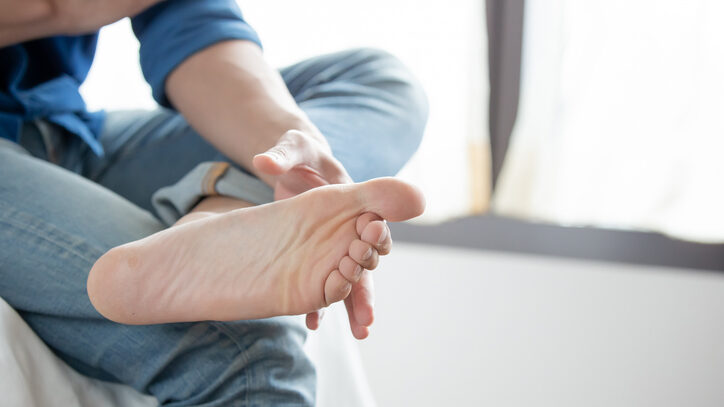
Athlete’s foot develops when parasitic fungi known as dermatophytes invade the skin’s outer keratin layer, feeding on tissues found in the epidermis, hair, and nails. Thriving in warm, damp environments, the infection typically targets areas where sweat accumulates, such as the soles of the feet and the webs between toes. Typical symptoms include intense itching, small blisters, and weeping skin.
In severe cases, thickened, brittle keratin can crack, creating open wounds that allow pathogens to penetrate deeper tissues. This can lead to cellulitis, a painful bacterial infection of the skin and underlying subcutaneous layer.
Despite these risks, many patients dismiss athlete’s foot as a minor inconvenience and self-treat using over-the-counter eczema ointments—a mistake experts warn against. "Applying self-prescribed ointments can aggravate the infection or cause the fungus to spread to other areas of the body," said Min Jun-hong, a professor of dermatology at Kangbuk Samsung Hospital. "If symptoms appear, it is critical to seek safe, active treatment from a healthcare professional." Standard medical treatment includes topical or oral antifungal agents, while secondary bacterial infections or severe weeping may require antibiotics and sterile disinfection.
Humidity also fuels tinea versicolor, a condition caused by an overgrowth of skin-resident yeast rather than dermatophytes. When moisture and sweat build up around pores, the yeast multiplies rapidly, producing distinct discolored patches with fine scaling. These round spots typically start small in sweat-prone regions—such as the chest, back, armpits, and abdomen—before expanding, merging, and spreading across the torso and limbs.
Like athlete’s foot, tinea versicolor responds well to prescribed antifungal therapy but frequently returns upon renewed exposure to hot, humid conditions. Professor Min emphasized that medical treatment must be paired with daily hygiene adjustments to break the cycle of reinfection. Fungal growth can be suppressed by washing daily and thoroughly drying areas where moisture lingers, especially between the toes. Wearing sandals or breathable footwear during humid weather and going barefoot at home also improve air circulation, keeping the skin dry and resilient against infection.