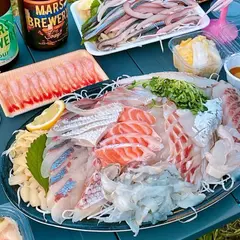
When embarking on a weight-loss journey, many people instinctively reach for a salad first. Recently, meal-style options that combine fresh greens with proteins and complex carbohydrates—such as salmon poke, ricotta cheese salads, and whole-wheat pasta bowls—have surged in popularity. While these hearty options feel far more substantial than a simple plate of vegetables, many dieters report a frustrating paradox: they find themselves craving snacks even more on the days they choose them. Often, the culprit is not the salad itself, but the "add-ons" and choices that follow the psychological relief of having eaten a healthy meal. For those managing their weight, it is crucial to audit the entire meal layout—ensuring the salad is nutritionally complete on its own without triggering a subsequent cycle of unnecessary drinks or desserts.
When a Salad Becomes a Heavy Bowl Meal
Modern salads have evolved far beyond basic iceberg lettuce and cherry tomatoes. Take poke, for example—a dish featuring various proteins and sauces layered over a base of rice, which is sometimes swapped for brown rice or quinoa. It is also increasingly common to find trendy salad varieties loaded with pasta, sweet potatoes, or corn. Toss in a protein like salmon, chicken breast, eggs, shrimp, or tofu, and the dish easily transforms into a heavy, full-course meal.
Despite being labeled as salads, these contemporary options are structurally closer to single-bowl entrees. Because they frequently come packed with carbohydrates—whether it is the rice in poke, the noodles in pasta salad, or sweet potato mousse toppings—it is best to forgo the traditional side of bread. Adjusting your overall intake by choosing unsweetened beverages and passing on the cookies or potato chips often included in cafe combo menus can prevent unexpected caloric surpluses.
Navigating the Psychological "Health Halo"
Salad carries a powerful reputation as the ultimate diet food. Consequently, substituting a traditional meal with greens often induces a sense of virtuous accomplishment. This can trigger a counterproductive reward mindset: "I ate a salad today, so a little treat won't hurt." In reality, adding a cookie, a piece of pastry, or a whipped-cream-topped coffee later in the afternoon can instantly double your total caloric intake.
Behavioral scientists refer to this phenomenon as the "health halo effect." When a food is perceived as inherently wholesome, consumers tend to overlook its actual calorie count or portion size, becoming far more lenient with the side items they pair with it. Because the word "salad" sounds light and virtuous, it can lower your guard, leading to an unconscious increase in overall meal volume. This behavior is particularly common at specialized salad shops and cafes, where ordering sweetened drinks or baked goods alongside a bowl feels natural. If you find yourself consistently hunting for snacks on salad days, it is worth evaluating whether you are experiencing true physical hunger or simply giving in to a psychological reward system.

The Importance of Macronutrient Balance
Conversely, if a salad is too small or consists almost entirely of leafy greens, hunger will inevitably return with a vengeance. Water-rich vegetables like romaine lettuce, cucumbers, and tomatoes require significant chewing, which provides temporary psychological satisfaction, but their lack of protein and complex carbohydrates means satiety will not last. This explains why someone can consume a massive mountain of vegetables and still feel unsatisfied shortly afterward. Craving sweets, bread, or sugary drinks post-meal is often a direct physiological response to poor meal composition, rather than a failure of willpower.
To combat this, incorporate foods that actively promote long-term fullness, such as hard-boiled eggs, grilled chicken breast, or chickpeas. When purchasing pre-packaged salads, look past the volume of greens and check for adequate protein content. If necessary, a small portion of sweet potato or brown rice can be added to increase overall meal satisfaction. The goal is not to eat as lightly as possible just because it is a salad, but to build a structurally sound, complete meal that prevents mid-afternoon snacking.
Rethinking Dressings and Toppings
Dieting does not require treating dressing as the enemy. Eliminating it entirely often makes meals unappealing, leading to diet fatigue and driving individuals to seek culinary satisfaction from less healthy alternatives later in the day. A more sustainable strategy is ordering dressing on the side to maintain control over the portion. Start by mixing in half the serving, and add more only if necessary. Because creamy dressings and sweet vinaigrettes are highly caloric and easy to overuse, try dipping your fork or lightly drizzling rather than soaking the greens.
The same mindful approach applies to customizable toppings. While modern salad bars allow extensive personalization, adding multiple extras can quietly transform the nutritional profile of your meal. Prioritize protein-rich add-ons that support satiety, while closely managing high-calorie additions like croutons, bacon bits, and sweetened granola. Healthy fats like nuts and avocados offer excellent nutritional value, but their caloric density requires strict moderation. Limiting these to a single tablespoon of nuts or a few thin slices of avocado can effectively prevent overeating while keeping your health goals on track.