
The usual reaction to Iksan, North Jeolla Province, is a question of "What's actually there?" However, once travelers arrive, they discover a city where diverse experiences coexist—slow-paced but never boring, and calm without being dull. From the surreal experience of donning a prison uniform to quiet reflection among Baekje-era relics, Iksan is quietly spreading by word of mouth as a destination of unexpected delights.
Life-Shot Photos in a Prison Uniform: A Social Media Sensation
The "Iksan Prison Set" is so realistically recreated that visitors often double-check if it is a functioning facility. Featuring interrogation rooms, visitation areas, courtrooms, and housing wings, it has served as the backdrop for hundreds of Korean productions, including Prison Playbook, Signal, and Miracle in Cell No. 7.
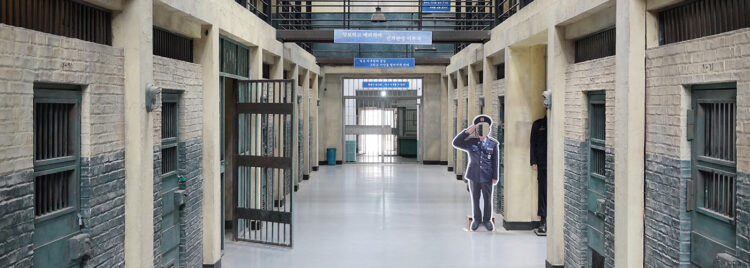
The major draw for social media enthusiasts is the ability to rent guard or inmate uniforms. "Prison-themed photos" against iron bars or along the bleak inmate corridors have become a staple of travel feeds. Families also frequent the site for its educational courtroom experiences and pet-friendly policy. Admission is free, though it is wise to check for filming schedules that may restrict access.
Aesthetic Ruins: Why UNESCO Sites Aren't Just for History Buffs
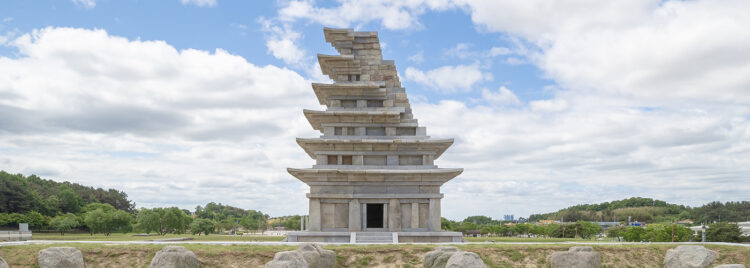
The Mireuksa Temple Site, one of East Asia’s largest temple grounds, was inscribed as a UNESCO World Heritage Site in 2015. While its historical value is immense, its appeal to younger travelers lies in its minimalist landscape. The wide, manicured lawns and the stark, reconstructed National Treasure "Mireuksa Temple Site Stone Pagoda" provide a perfect backdrop for photography.
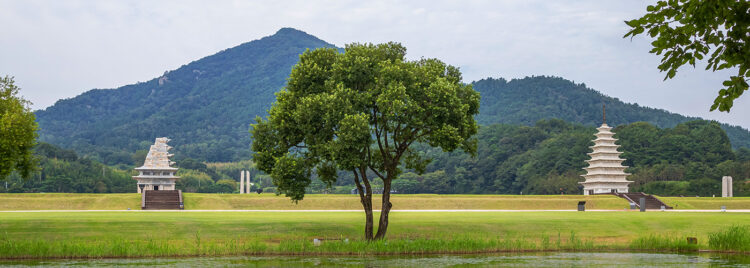
In the late afternoon, as the shadow of Korea's oldest surviving stone pagoda stretches across the site, the mood becomes deeply atmospheric. Beyond the photos, there is a sense of "healing" that comes from the slow-paced exploration of the Wanggung-ri Relics at the foot of Mount Mireuk. The ease found here offers a stark contrast to more crowded, traditional tourist hubs.
Deep Umami: The Unique Twist of Iksan-style Bibimbap
Iksan’s "Hwangdeung Yukhoe Bibimbap" offers a distinct departure from the standard dish. Using a traditional technique called toryeom, the rice is repeatedly warmed and infused with broth before being pre-mixed with seasonings and topped with seasoned raw beef (yukhoe). This ensures every grain is saturated with a savory umami.
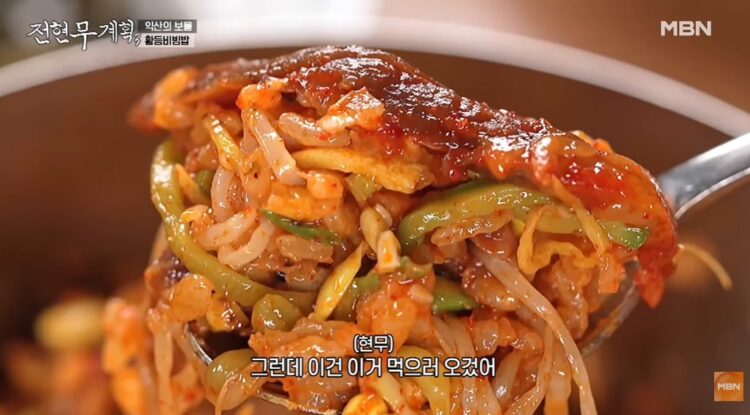
A local landmark, Hanil Restaurant—recently featured on the variety show Jun Hyun-moo Plan—is famous for this style. Served alongside a clear seonji-guk (ox-blood curd soup), the meal earned high praise from Jun Hyun-moo, who noted he would visit Iksan specifically for the restaurant's balanced flavors.
The Art of Slow Living at Gosrak
For those seeking a calm conclusion to their trip, Gosrak offers a sprawling cultural space dedicated to traditional fermented sauces. The name, a pure Korean word meaning "the highest place," fits the site's scale: roughly 99,000 square meters filled with thousands of traditional onggi (earthenware jars).
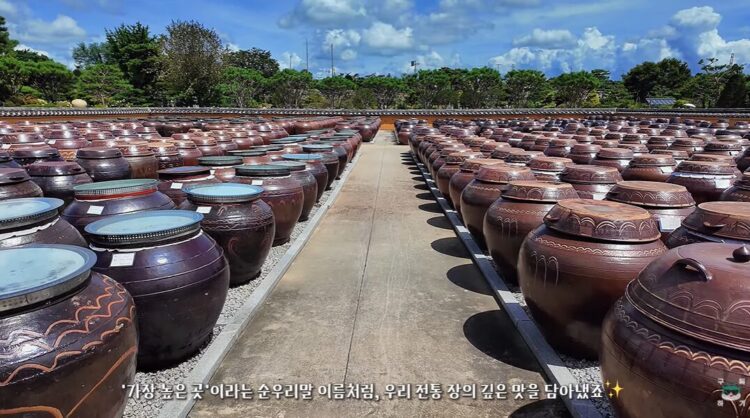
Visitors can explore the "jang" center, dine at the Korean restaurant, or visit the cafe to sample enzyme teas and fermented vinegars. Walking through the forest of jars provides a tangible sense of the "slow-living" sensibility that defines Iksan—a city that proves the best travel memories often come from the most unexpected places.