Resisting a dog’s soulful, expectant gaze while you are eating a meal can be a true test of willpower. Many owners find themselves sharing a bite, assuming a small taste won't hurt. However, foods that are perfectly safe for humans can become a medical emergency for canines. Because dogs cannot metabolize certain toxic substances as effectively as people do, even minute amounts can lead to critical reactions. Here are common everyday foods that should never be shared with your pet.
Chocolate and caffeine: Risks to the heart and nervous system
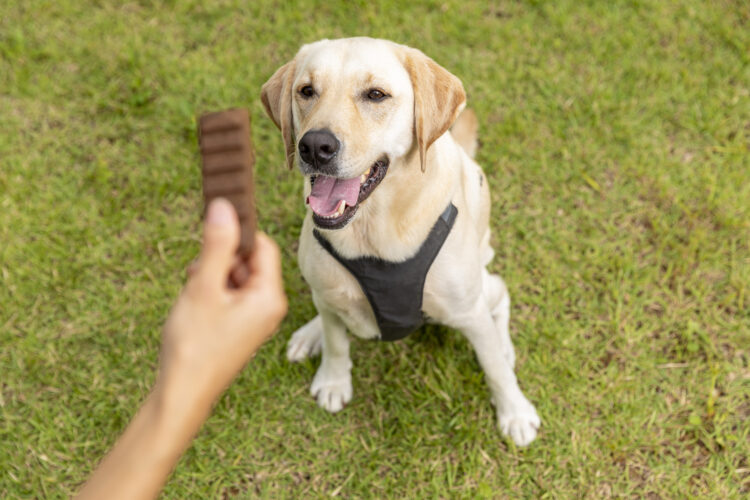
Chocolate contains theobromine and caffeine, stimulants that dogs break down very slowly. These toxins can accumulate in the body, leading to vomiting, diarrhea, a rapid heart rate, restlessness, and seizures. The risk increases with the darkness of the chocolate; for small breeds, even a few pieces of dark chocolate can be lethal. If ingestion occurs, owners should not wait for symptoms to appear, as a dog’s condition can deteriorate rapidly several hours later.
Grapes and raisins: A high risk of acute kidney failure
Grapes and raisins are notorious for causing acute kidney failure in dogs. While the exact toxic mechanism remains under investigation, ingestion often leads to vomiting, lethargy, and a loss of appetite, followed by a sudden decline in kidney function. Sensitivity varies significantly between individual dogs—some may show severe reactions to a tiny amount, while others appear unaffected. This unpredictability makes grapes and raisins some of the most dangerous items in a household.
Onions and garlic: The danger of delayed-onset anemia
Sulfur-containing compounds found in onions and garlic can cause oxidative damage to a dog’s red blood cells, leading to hemolytic anemia. Symptoms often do not appear immediately, manifesting several days after ingestion. Signs include pale gums, lethargy, and difficulty breathing. Because these ingredients are often hidden in soups, broths, and seasoned dishes, repeated exposure to even small "mixed-in" amounts can be cumulatively dangerous.
Fatty foods: Acute abdominal pain and pancreatitis
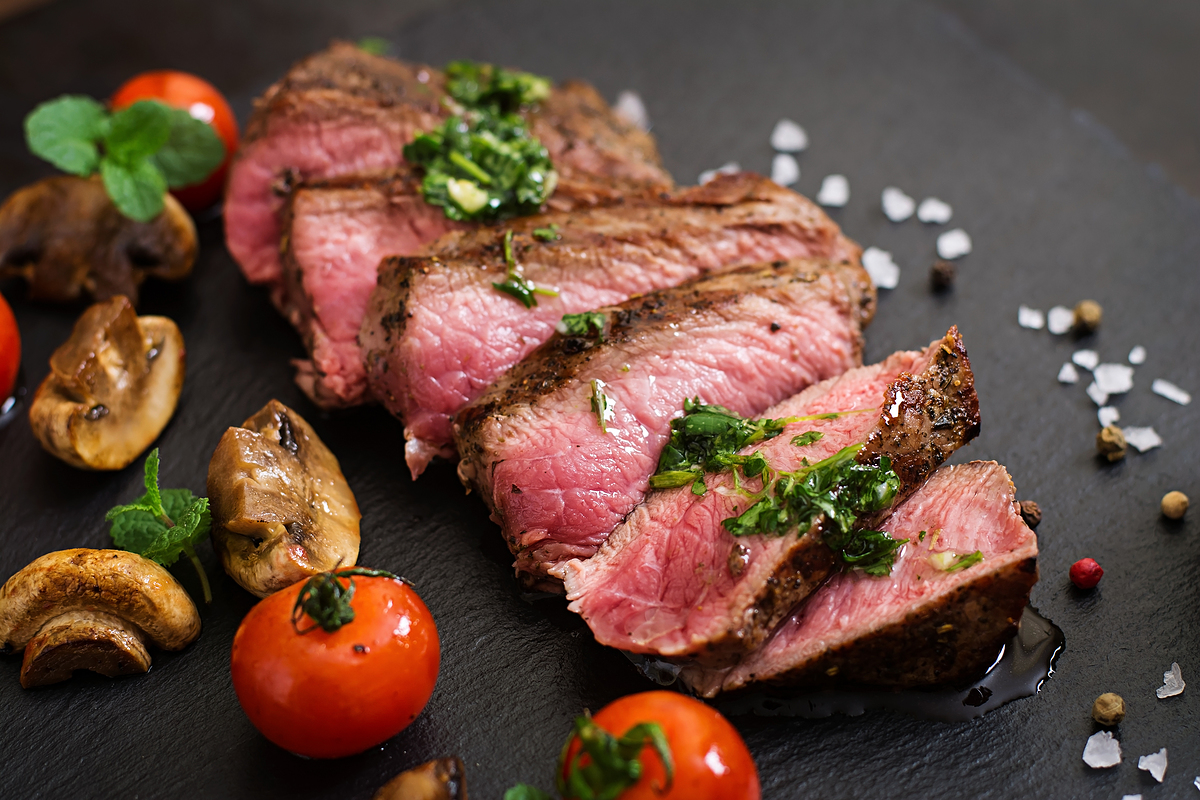
High-fat foods, such as fried items or greasy meats, place an immense burden on a dog’s pancreas. Excessive fat intake can trigger acute pancreatitis, characterized by severe abdominal pain, persistent vomiting, and dehydration. The risk is particularly high for dogs that typically consume a low-fat diet but suddenly ingest a large amount of greasy human food. In severe cases, pancreatitis requires immediate hospitalization and intensive care.
Xylitol: Hypoglycemic shock and liver damage
Xylitol, a sugar substitute found in sugar-free gum, candy, and some peanut butters, is exceptionally toxic to dogs. Upon ingestion, it stimulates a rapid release of insulin, causing a life-threatening drop in blood sugar (hypoglycemia). Early signs include tremors and lethargy, but the condition can quickly progress to liver failure, seizures, or loss of consciousness. Because dogs often ingest these products without their owner's knowledge, xylitol-containing items should be stored in inaccessible locations.