Almost everyone has experienced that frustrating musty smell lingering on freshly washed clothes. If an odor persists even after drying in a well-ventilated area, the issue often lies in the wash cycle itself. To achieve a truly deep clean, it is essential to choose your water temperature based on the fabric type and the specific nature of the buildup.
While some prefer cold water to prevent fabric damage or save energy, cold cycles are generally only effective for removing surface dust. For items like towels, cotton garments, and bedding, warmer temperatures are necessary to break down oils and eliminate bacteria.
Kill Dust Mites and Bacteria at 60°C
Bedding is a primary candidate for high-temperature washing. Throughout the night, sheets and pillowcases accumulate a mixture of sweat, sebum, and dead skin cells. This environment, especially if you go to bed with damp hair, becomes a breeding ground for bacteria and mold.
To maintain a hygienic sleep environment, bedding should be washed at least once every two weeks at 60°C or higher. This temperature is the critical threshold required to kill house dust mites. The same rule applies to cotton diapers and underwear; at 60°C, the survival rate of common pathogens like E. coli and Staphylococcus aureus drops sharply. Research published in the American Society for Microbiology journal mSphere confirmed that while these bacteria can survive low-temperature washes, they are effectively neutralized in hotter cycles.
The Sweet Spot for Towels: 30–40°C
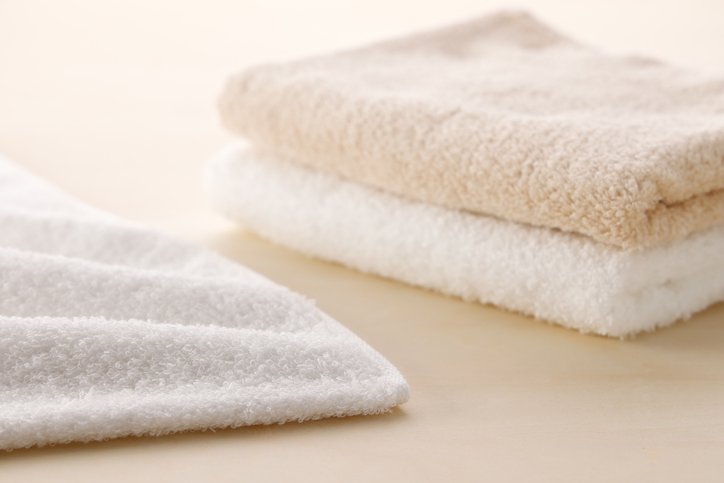
It is a common misconception that towels require boiling water for cleanliness. In reality, washing towels at excessively high temperatures can damage the delicate fibers, leaving them feeling scratchy and rough. Conversely, a cold wash often fails to strip away the oils trapped deep within the pile.
For the best balance of cleaning power and fiber preservation, wash towels at a lukewarm temperature of 30–40°C. Additionally, avoid overusing fabric softener. While it may seem counterintuitive, softener coats the fibers in a waxy layer that eventually reduces the towel's absorbency and makes it stiff. For a natural alternative, add half a cup of vinegar during the rinse cycle. The acidity neutralizes detergent residue and softens the fabric without compromising performance; the vinegar scent dissipates completely during drying.
Maintenance Beyond the Wash Cycle
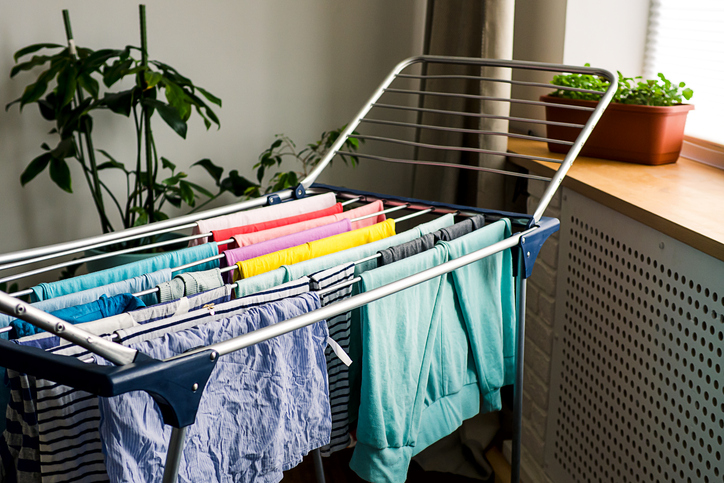
The process doesn't end when the machine stops. To prevent bacteria from multiplying, items must be dried immediately in a well-ventilated area or a clothes dryer.
Furthermore, the cleanliness of your laundry is limited by the cleanliness of your machine:
The Detergent Drawer: Clean this at least once a week, as constant moisture makes it a hotspot for mold.
The Rubber Gasket: In front-loading washers, water often collects behind the door seal. Wipe the gasket frequently using a dry cloth and a bit of toothpaste to remove grime, then allow it to air-dry completely to prevent mold formation.