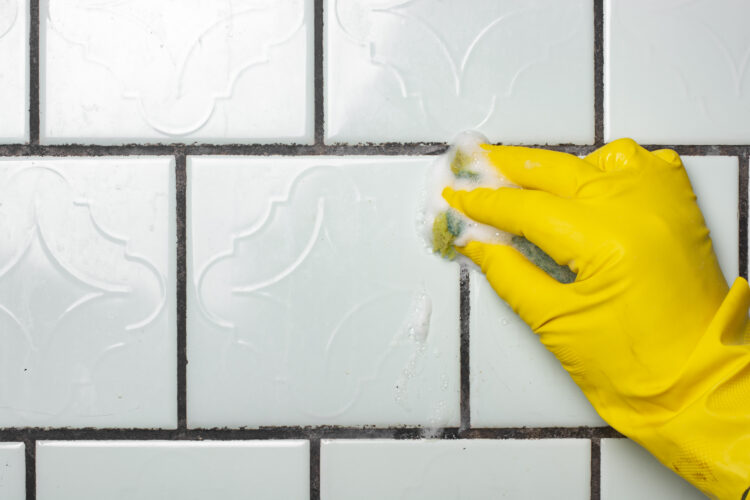
Making a habit of using bleach every time you clean the bathroom can irritate your respiratory system and skin. Instead of relying on harsh chemical products, you can clean more safely using ingredients easily found at any grocery store. Here are some low-stress ways to maintain your bathroom using everyday items.
Limescale tends to build up most easily on bathroom faucets and shower enclosures. This occurs when minerals in water—such as calcium and magnesium—remain on the surface and harden into a white residue. It forms more readily when surfaces aren't wiped dry after use, or when poor ventilation allows moisture to linger. When soap or cleanser residue accumulates on top of these deposits, the stains can become even more stubborn.
Can Lemon and Vinegar Protect Your Respiratory Health?
Using lemon and vinegar instead of bleach is significantly gentler on your respiratory health. Both are acidic, whereas the mineral deposits from tap water are alkaline. When these opposite properties meet, a chemical reaction occurs that helps dissolve and remove the limescale.
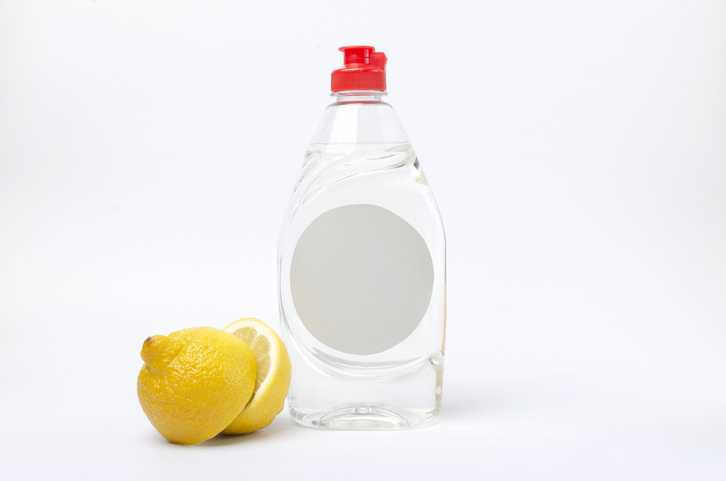
You can simply cut a lemon in half and rub it directly onto mirrors, faucets, and other affected areas. For a vinegar solution, mix it with water at a 1:1 ratio in a spray bottle, apply it to the surface, and then rinse with water.
Note: Avoid adding baking soda to these acidic cleaners. When baking soda meets vinegar or lemon, a neutralization reaction occurs, which actually reduces the cleaning effectiveness of both substances.
The Benefit of Adding Soju to Your Cleaning Mix
Another effective option is adding soju to your water-and-vinegar mixture. Aim for a solution that is approximately 10–20% soju based on the total volume. The alcohol in soju provides additional cleaning power by inhibiting bacterial growth and breaking down oily grime on floors and tiles.
Because alcohol evaporates quickly along with moisture, adding soju helps reduce dampness and lingering odors after cleaning. Furthermore, when used in tandem with vinegar, the alcohol can help soften the vinegar’s distinctive, sharp smell.
Routine Maintenance is Key
Cleaning methods using food-based ingredients are perfectly suited for routine maintenance. They are easy to use weekly with less physical burden, and consistent upkeep prevents heavy buildup from accumulating. To extend the time between deep cleans, make it a habit to use a squeegee or a dry towel to remove excess moisture from glass and tile after every shower.
Important Precautions When Using Bleach
While bleach removes stains like limescale quickly, using it frequently can be hard on your health. Household bleach is made from diluted sodium hypochlorite, but even then, it possesses strong oxidizing power. It is generally recommended to further dilute bleach with water at a 1:100 ratio before use.
Critical Safety Rules for Bleach:
Use Cold Water Only: Bleach can release harmful gases when it comes into contact with hot water.
Avoid Spray Bottles: Sprayed bleach can be inhaled easily, damaging the respiratory mucosa. Inhaling these particles into the lungs can cause acute lung injury.
Ensure Ventilation: Always keep the door open or the fan running to avoid inhaling fumes.