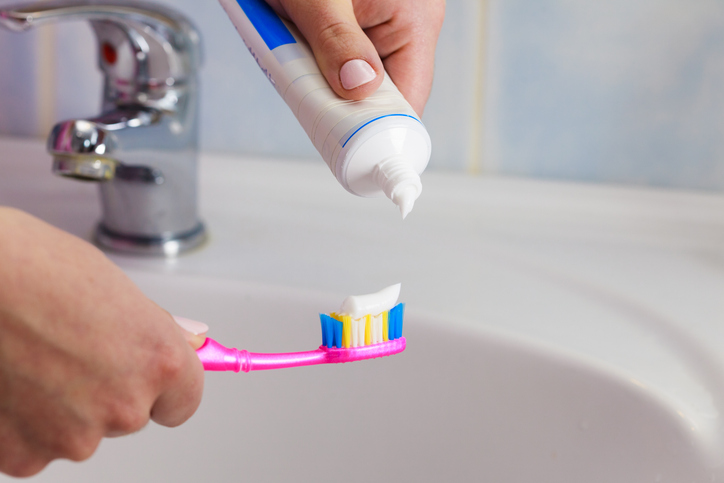
Sneakers cannot be laundered as frequently as clothing, yet they require periodic cleaning to eliminate odors and maintain hygiene. Because feet are contained within closed shoes, sweat often becomes a breeding ground for bacteria. While heavily soiled footwear sometimes requires professional care, a common household item—toothpaste—can be a surprisingly effective tool for DIY maintenance.
The Science of Shoe Odor
To understand why shoe maintenance is so critical, one must look at the physiology of the feet. Human feet contain approximately 250,000 sweat glands, a significantly higher concentration than most other parts of the body. When damp feet are not dried immediately, they create an ideal environment for bacteria to thrive. These microbes feed on dead skin cells and produce isovaleric acid, the primary compound responsible for the pungent odor associated with worn shoes.
Eliminating these odors starts with personal hygiene; feet should be washed daily with antibacterial soap, ensuring the areas between the toes are thoroughly cleaned. Moisture is the enemy, so drying the feet with a towel and even a hairdryer—focusing on the toenails and crevices—is highly recommended. However, washing the feet is only half the battle; the shoes themselves must be addressed. Experts suggest washing footwear once a month, or twice a month during the high-heat summer season, using toothpaste as a targeted stain remover.
Why Toothpaste Works on Stains
The effectiveness of toothpaste as a cleaning agent lies in its chemical composition. Most formulations contain abrasives such as precipitated calcium carbonate and silica. While these are designed to scrub food residue from dental enamel, they are equally capable of physically lifting contaminants from fabric and rubber shoe surfaces. By using an old toothbrush to work toothpaste into a stain, you can effectively scrape away stubborn grime.
Furthermore, toothpaste contains surfactants like sodium lauryl sulfate. These molecules possess both oil-attracting and water-attracting properties, allowing them to emulsify grease and oil so they can be easily rinsed away. It is essential, however, to rinse the shoes several times after cleaning to ensure that no abrasive residue remains on the material.
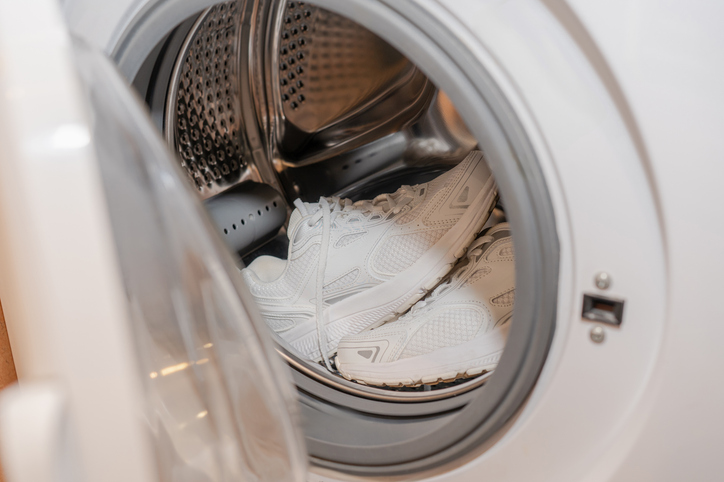
Warning: Not All Materials are Toothpaste-Friendly
While toothpaste is a "miracle" cleaner for standard canvas or rubber sneakers, it should be avoided on delicate materials. Shoes made of suede, genuine leather, or those with glossy synthetic coatings can be easily damaged. Calcium carbonate has an abrasive index that can reach up to 200, which is high enough to create micro-scratches on soft surfaces or cause permanent discoloration.
For these specific materials, specialized care is required:
Suede: Should be maintained using a dedicated suede brush and a dry-cleaning method to preserve the "nap" of the fabric.
Leather: Should be wiped down with a microfiber cloth and treated with a dedicated leather cleaner and conditioner to prevent cracking.
Drying: Regardless of the material, shoes should never be dried in direct sunlight. Excessive heat can weaken adhesives, warp the silhouette, or cause fabric colors to fade. Instead, they should be left to air-dry in a cool, well-ventilated area.