Thermal damage from electronic devices is often associated with dramatic battery explosions or electric shocks. However, medical experts are now highlighting a subtler danger: contact burns caused by prolonged exposure to charging components. Even without a malfunction, the steady, low-intensity heat generated during a charge can cause significant skin lesions if the device remains against the body for an extended period.
Researchers from Korea’s Galleria Dermatology and the Yonsei University College of Medicine recently documented two such rare occurrences in the international journal Cureus. The report detailed one case of facial damage caused by a micro USB charger and another involving a leg injury linked to a portable power bank.
Case Studies: The Danger of "Charging While Sleeping"
The first case involved a 55-year-old male who sought medical attention after gray spots and a painful burning sensation appeared on his right cheek. The injury occurred after a smartphone, connected to a micro USB cable, remained in contact with his face. Clinical examinations revealed thinning of the epidermis and thermal damage extending into the deeper skin layers. Doctors ruled out electrical and chemical burns, concluding that the steady thermal contact was the sole culprit. The patient required two weeks of treatment to remove necrotic tissue.
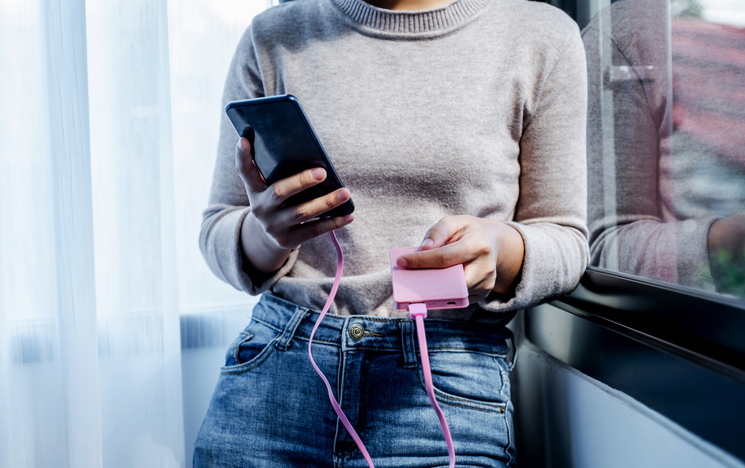
The second case involved a 38-year-old male who discovered palm-sized gray spots and blisters around his left ankle. While initially unsure of the cause, he later recalled falling asleep with a power bank charging under his leg. A biopsy confirmed an inflammatory response reaching the mid-dermis and damage to local blood vessels. His recovery was more extensive, requiring a month of treatment, necrotic tissue removal, and a course of oral antibiotics over a two-period.
The Mechanism of Low-Temperature Burns
In both instances, researchers noted prominent microvascular damage. This type of injury is characteristic of "low-temperature burns," which occur when the skin is exposed to temperatures that are not immediately painful—typically between 44°C and 50°C—but are maintained long enough to cause cell death.
While the researchers noted that it is difficult to isolate whether the damage stemmed from specific device defects or individual usage habits, the common denominator was prolonged skin contact in environments where heat could not easily dissipate.
Safety Recommendations for Users
The medical team emphasized that clinicians should consider electronic device contact when diagnosing skin lesions of unknown origin. For consumers, the study serves as a warning against common charging habits. To minimize risk, users are advised to:
Avoid charging on soft surfaces: Placing a device on a bed or under a blanket traps heat, significantly increasing the surface temperature.
Maintain distance: Never sleep with a charging phone, cable, or power bank in the bed or in contact with limbs.
Ensure ventilation: Charge devices in open areas where air can circulate freely.
FAQ: Staying Safe While Charging
Q: Can a standard charger really cause a burn without exploding?
A: Yes. If the heat generated during a normal charge cannot escape and the device remains pressed against the skin, it can lead to thermal contact burns.
Q: Why are these cases different from battery fires?
A: These are "thermal contact burns." Unlike explosions, there is no sudden burst of energy or chemical leakage. Instead, the skin is essentially "slow-cooked" by steady, moderate heat over several hours.
Q: What are the most dangerous habits to avoid?
A: Sleeping with a charging device is the highest risk. Avoid placing power banks under your body or charging phones under pillows, as these environments prevent heat dissipation and ensure prolonged skin contact.