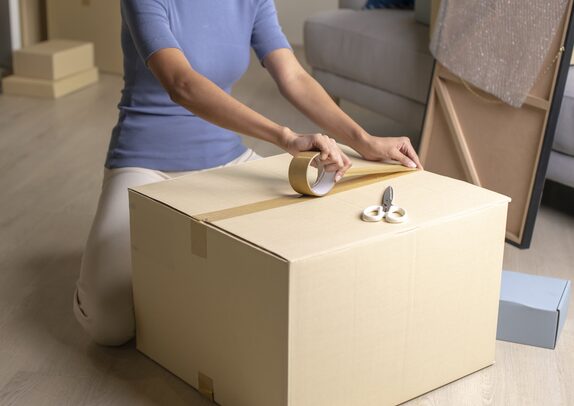
When scissors are used over a long period, the blades eventually dull and lose their precision. They might slip when you try to cut meat or struggle to slice through the tape on a delivery box. While most people’s first instinct is to buy a replacement, you can actually bring old scissors back to life using a simple sheet of aluminum foil.
Why Scissors Lose Their Edge
The reason scissors stop cutting effectively is often due to slight deformations in the metal or the buildup of foreign substances.
Kitchen Scissors: The alignment can be thrown off when cutting through bones or tough, fibrous foods.
Stationary Scissors: Sticky residue from packing tape can accumulate on the blades, preventing them from closing tightly.
The Aluminum Foil Method
You can easily sharpen your blades by taking advantage of the friction between the foil and the metal.
Fold the Foil: Tear off a piece of aluminum foil and fold it several times to create a thick, multi-layered strip.
Cut Repeatedly: Cut into the folded foil 10 to 20 times. The key is to use the entire length of the blade, from the pivot to the tip. Ensure you apply enough force to hear a distinct cutting sound; this friction smooths the surface of the blades and restores the edge.
Clean the Blades: After cutting, wipe the blades with a paper towel or dry cloth. You will likely see fine metal shavings left behind. Once cleaned, the scissors should cut through plastic or paper as cleanly as a brand-new pair.
Alternative Sharpening Techniques
If you don't have aluminum foil on hand, there are two other reliable methods:
The Glass Jar Method: Open a glass jar and place the scissors' blades around the rim. Repeatedly "cut" the opening of the jar for 1 to 2 minutes. The hardness of the glass helps realign the metal edge. Note: Hold the jar firmly with your other hand to avoid injury.
The Clay Pot Method: Flip a clay pot (such as an earthenware crock) upside down. The unglazed, rough circular base acts as a natural sharpening stone. Rub the beveled edge of the blades against this base to sharpen them.
Maintenance Tips for Longevity
Once you have revived your scissors, proper care will keep them sharp for longer:
Dry Thoroughly: For kitchen scissors, always dry them completely after washing—ideally in an open position. Trapped moisture between the blades leads to rust and rapid dulling.
Remove Stickiness: If your scissors are covered in adhesive residue, wipe them down immediately. Using acetone (nail polish remover) or a small amount of cooking oil can effectively dissolve the stickiness without damaging the metal.