Actress Cha Joo-young (35) will temporarily suspend her activities for health reasons.
Her agency, Ghost Studio, announced on the 25th through their official channel, "Cha Joo-young will not be able to attend her scheduled official events and some activities for the time being due to health reasons."
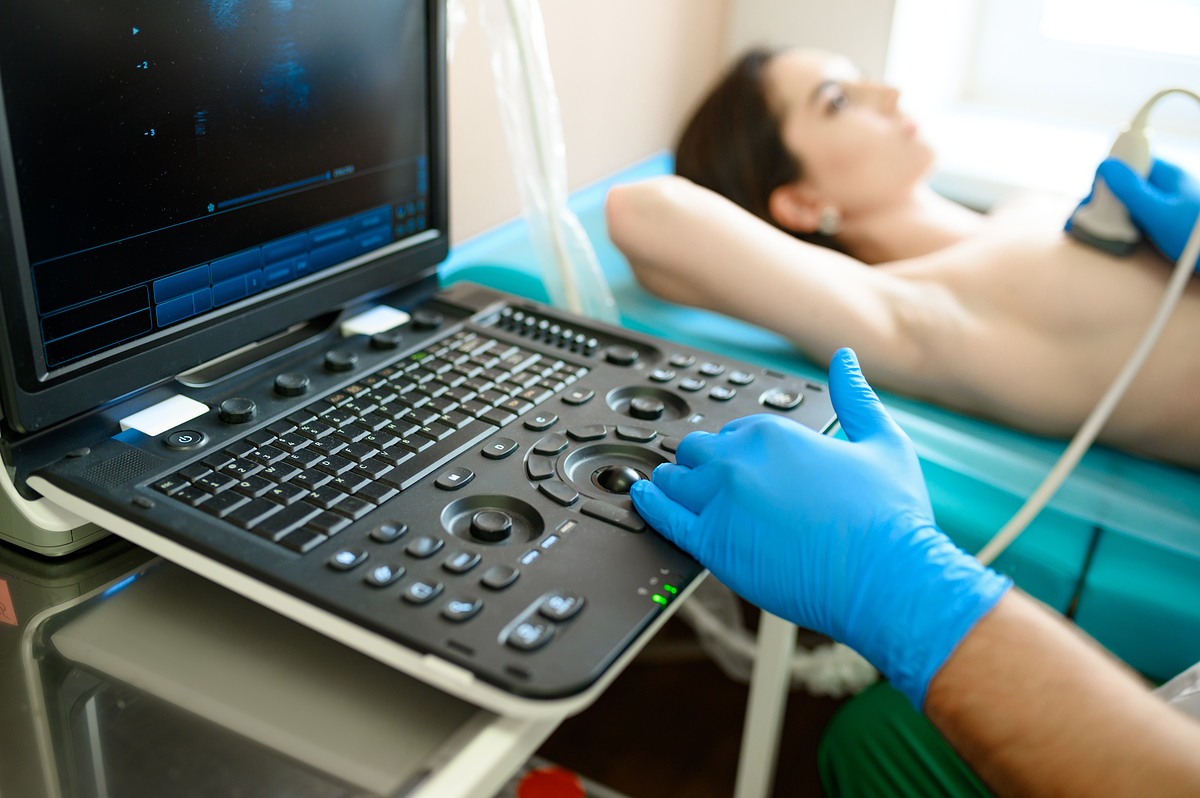
Cha Joo-young has been undergoing detailed examinations and treatment for prolonged recurrent epistaxis (nosebleeds). The agency stated, "According to the medical team's opinion, it has become necessary to proceed with an ENT surgery that cannot be postponed any longer," adding, "Currently, she is in a stage that requires recovery and observation after surgery, and we kindly ask for your understanding that participation in official schedules, including promotional activities for her projects, will be difficult during the recovery period."
They continued, "We sincerely apologize for causing concern to the stakeholders and everyone due to the unavoidable schedule adjustments," and stated, "We will do our best to support Cha Joo-young's stable recovery and look forward to greeting everyone again in good health after sufficient treatment."
What Conditions Require Surgery Due to Recurrent Nosebleeds?
Nosebleeds are a relatively common symptom that can occur even with dry weather. However, there are cases where nosebleeds occur repeatedly to the extent that surgery is necessary, as in the case of Cha Joo-young. What could these cases be?
A typical cause is nosebleeds due to a deviated septum. A deviated septum is when the septum, the wall that divides the nostrils in the center of the nose, is bent. This causes the airflow through the nose to become abnormal, leading to problems. When the septum is properly aligned, both nostrils are symmetrical, allowing air to flow slowly, widely, and evenly across the entire mucosa. However, with a deviated septum, one nostril becomes narrower, causing the air speed in the narrow nostril to become abnormally fast, increasing air collisions with the nasal mucosa. The front part of the septum is the area with the most blood vessels. If this area becomes excessively dry, it can cause micro-damage to the mucosa, exposing blood vessels, making it easy for nosebleeds to occur even with minor irritation. Nose blowing, sneezing, washing the face, or tossing and turning in sleep can also cause nosebleeds.
Recurrent nosebleeds due to a deviated septum may temporarily improve with management such as moisturizing, but the underlying structure remains problematic, leading to repeated symptoms. Surgery may be considered to correct the deviated septum by making an incision inside the nose and properly aligning it in the center.
Nosebleeds can also occur frequently when there are vascular lesions in the back of the nose, leading to surgery considerations. Vascular lesions in the back of the nose refer to a pathological weakening of the walls of the thick, high-pressure arteries inside the nose. These vessels are prone to rupture, and even after one rupture, they do not fully regenerate and remain in a weakened state. The same vessel can rupture again with just a small stimulus. In such cases, surgery is performed to directly locate the problematic vessel and completely ligate or sever it to block blood flow.
Other conditions that can cause frequent nosebleeds and may require surgery include nasal hemangiomas, vascular tumors, and hereditary hemorrhagic telangiectasia.
Normally, Blow One Nostril at a Time and Apply Ointment Before Bed for Help
Nosebleeds mostly occur when the mucosa is dry and minor damage exposes blood vessels.
To prevent nosebleeds, it is advisable to spray saline solution inside the nose 3 to 5 times a day. Applying Vaseline or nasal moisturizing gel inside the nose before bed is also a good method. Maintaining indoor humidity above 40-60% and using a humidifier while sleeping can help. Sleeping right next to a heater is not recommended.
Avoid blowing your nose forcefully or forcibly removing scabs inside the nose. When blowing your nose, do so gently one nostril at a time, and let scabs fall off naturally after applying ointment, which is the safest method.
To prevent posterior nasal bleeding, it is necessary to manage blood pressure to avoid it rising. If you have high blood pressure, consider taking medication and avoid salty foods, alcohol consumption, and smoking.