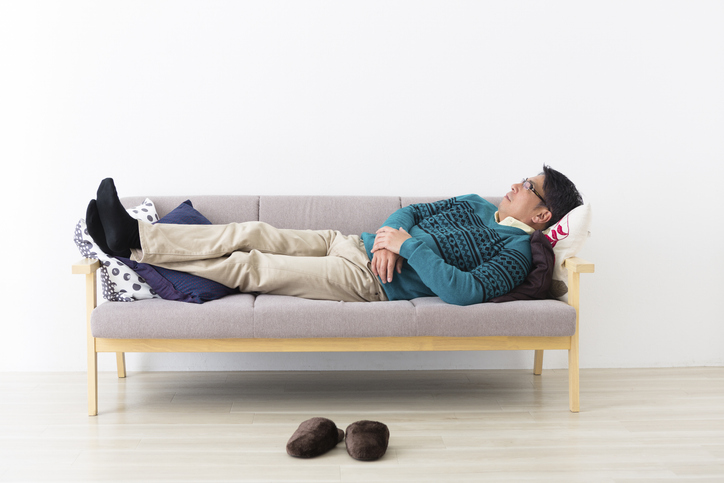
As temperatures rise, many people experience increased drowsiness after lunch. Although naps are said to have little health benefits, taking a brief moment to rest your eyes when feeling tired and sleepy can clear your mind and alleviate fatigue. Such a sweet nap helps recharge energy and enhances concentration and cognitive abilities.
However, the ideal nap duration for effective energy recharge is about 20 to 25 minutes. Sleep experts recommend taking a nap no later than 2 PM. Longer naps in the late afternoon can lead to insomnia at night. Let’s explore healthy naps that effectively recharge energy.
◆ ‘20 Minute Short Nap’ : Fatigue Recovery, Energy Recharge Effect
After a good nap, you can completely relieve fatigue and recover energy. Additionally, it can lower blood pressure, boost positive mood, and enhance memory and learning abilities. A short nap of 20 to 25 minutes, known as a ‘power nap’, is the most effective for regaining vitality. Power naps can help improve cognitive function, learning ability, memory, and physical performance.
Power naps are light sleep rather than deep sleep, allowing you to wake up quickly. If you lie down to sleep but can’t fall asleep, it means you are not tired enough. In such cases, there’s no need to force yourself to take a nap. To sleep well at night, it’s best to nap before 2 PM.
◆ ‘Long Nap of 45 Minutes or More’ : Insomnia, Causing Sleep Deprivation
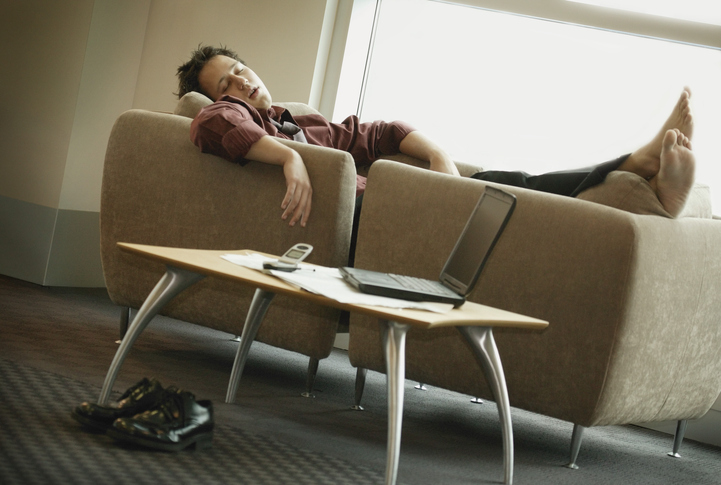
If you still feel tired after taking a nap, it’s likely that you slept too long. Typically, after about 25 minutes of napping, you enter deep sleep, which does not aid in recharging energy. Falling into deep sleep can leave you groggy and feeling even more fatigued. It can also be difficult to wake up, and you may be confused about what time of day it is when you do wake up. This is due to ‘sleep inertia’, a transitional state between sleep and wakefulness that results in decreased attention and increased fatigue.
In particular, people who take long naps in the late afternoon may struggle to sleep at night and experience a disruption in their sleep patterns. Sleep experts point out that “naps longer than 45 minutes interfere with nighttime sleep needs and make it difficult to fall asleep.” Long naps can lead to nighttime insomnia and sleep deprivation, creating a vicious cycle of needing to take long naps again to compensate.