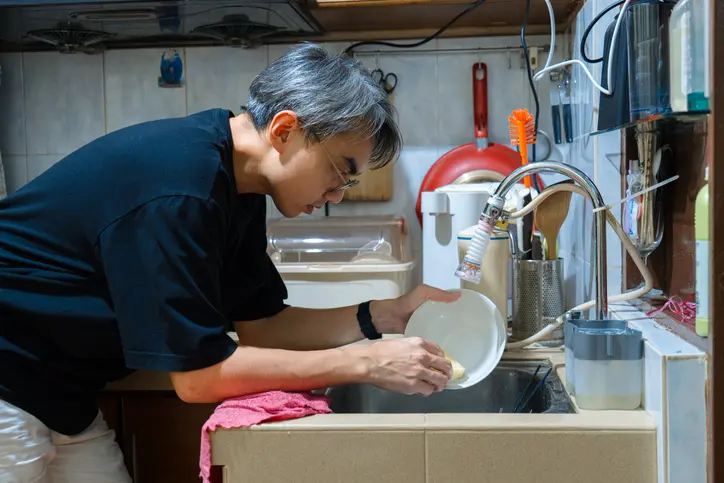
One of the major roles of a housewife is proper kitchen management. The health of the entire family depends on the hands of the housewife. However, kitchen management and hygiene issues are no longer solely the responsibility of housewives. They are emerging as very important concepts for the rapidly increasing 'solo generation' as well.
According to the Ministry of Health and Welfare's "Social Security Statistics", it is estimated that out of approximately 22,285,300 households in the country in 2024, 8,045,000 households (36.1%) will be single-person households. The proportion of single-person households in 2010 was about 24%. Meanwhile, the Ministry of the Interior and Safety's "Administrative Safety Statistics Yearbook" reported that there were 10,120,000 single-person households based on resident registration in the same year. In 2020, there were 9,060,000 single-person households.
The statistics from the Ministry of Health and Welfare do not include communal living facilities. Communal living facilities include dormitories, military barracks, nursing homes, orphanages, and detention facilities, where multiple people live together but it is difficult to consider them as personal 'homes'. Therefore, the statistics from the Ministry of Health and Welfare are naturally much lower than those from the Ministry of the Interior and Safety. When dealing with issues related to health and welfare, the 'household-based' statistics, which reflect actual living units, namely the statistics from the Ministry of Health and Welfare, are more appropriate. The rapid increase in single-person households is analyzed to be caused by the independence of young people, the trend of remaining unmarried, divorces and family breakdowns among middle-aged people, and the loss of spouses and divorces among the elderly.
Living alone can easily lead to skipping meals or eating hastily. Women who were responsible for the kitchen may think, 'It's bothersome to take care of myself now that I'm living alone.' Men are even more vulnerable to laziness. The number of single-person male households is steadily increasing. In particular, there are about 4.43 million men aged 65 and older, many of whom live alone. They are classified as a group that is relatively vulnerable in terms of dietary habits and hygiene management. Kitchen hygiene is a life skill directly related to their survival.
Based on data from the Korea Centers for Disease Control and Prevention and the American health portal 'WebMD', we introduce 'Food Safety Rules in the Kitchen'. Food poisoning can easily occur from small mistakes in the kitchen. In particular, raw eggs, raw meat, seafood, unpasteurized dairy products, and raw vegetables are at high risk of contamination by pathogens, requiring special attention. When handling these ingredients, basic rules such as washing hands, using separate cutting boards, and cooking at appropriate temperatures must be strictly followed.
The first step in kitchen hygiene is 'cleanliness'. Not only should hands be washed, but countertops, cutting boards, and utensils should also be washed with hot water and soap every time. In particular, plastic cutting boards or non-absorbent material cutting boards are recommended as they pose a lower risk of bacterial growth. Using paper towels instead of dishcloths is also a good method. Dishcloths should be boiled frequently, and when washing, they should be washed at high temperatures.
The second is 'separation'. Cutting raw meat and vegetables on the same cutting board or placing cooked meat on a plate that held raw meat causes 'cross-contamination'. In the refrigerator, raw meat and vegetables must be stored in separate compartments, and when shopping, it is advisable to keep raw meat and vegetables in separate bags.
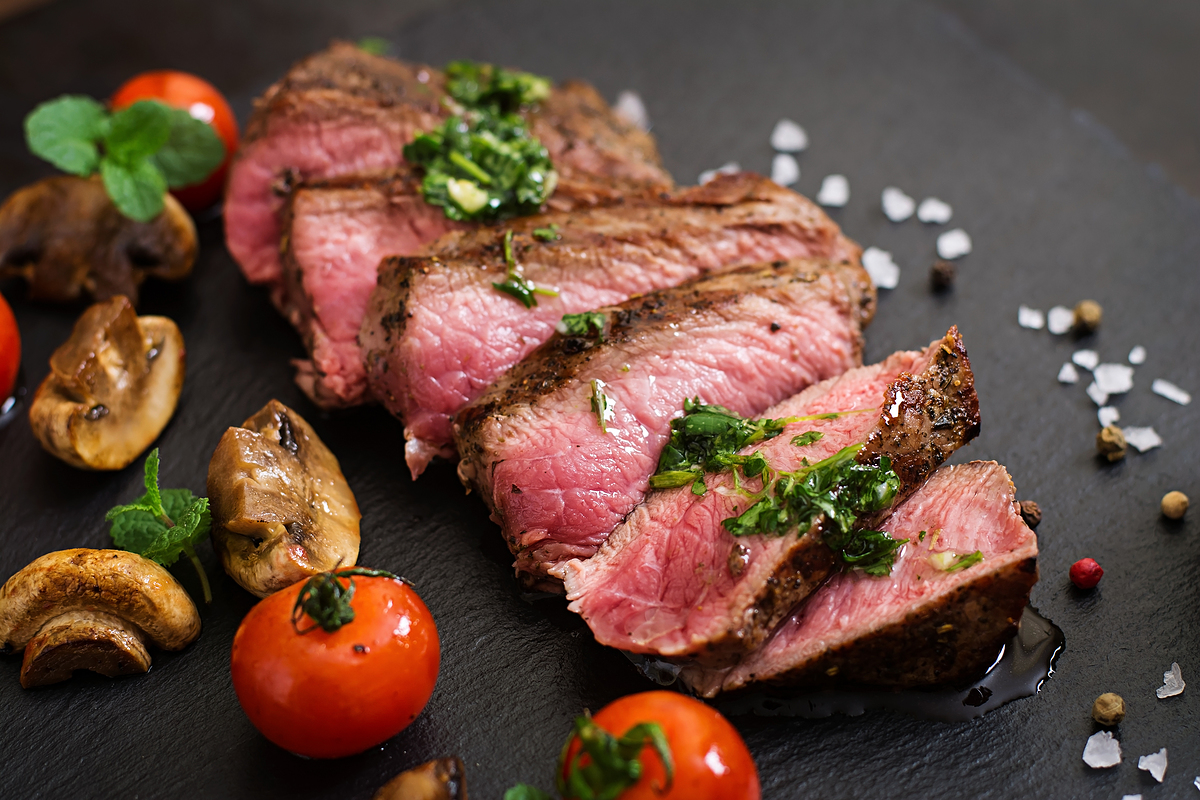
The third is 'cooking at appropriate temperatures'. Meat must reach a sufficient internal temperature to kill pathogens. For example, beef steak should be cooked to about 63℃, and chicken should be cooked to about 74℃ for safety. Eggs should be cooked until both the yolk and white are fully cooked, and it is advisable to avoid dishes that are eaten raw. When cooking in a microwave, stir the food in the middle to ensure even cooking, and if there is no turntable, it should be turned manually.
The fourth is 'refrigeration'. Cooked food should be refrigerated or frozen within 2 hours, and the refrigerator temperature should be maintained at about 4℃ or lower, while the freezer should be kept at about -18℃ or lower. Overfilling the refrigerator can hinder the circulation of cold air, leading to problems with food storage. Leftover food should be divided into shallow containers to cool quickly, and thawing should be done using the refrigerator, running cold water, or a microwave.
The fifth is 'when in doubt, throw it away'. If you are unsure whether food has gone bad, it is best to throw it away decisively. If there are unusual smells or colors, or if cooked food has come into contact with raw meat, it should not be eaten. Food poisoning bacteria do not disappear with refrigeration or reheating.
Thus, every small habit in the kitchen affects the health of the family. Thorough hygiene management is essential not only for men and women living alone but also for families with young children or elderly members. Many believe that 'cooking is love and responsibility'. If I and my family are healthy, we can also protect love.
[Frequently Asked Questions]
Q1. What are the basic hygiene rules to follow in the kitchen to prevent food poisoning?
A1. The first step in preventing food poisoning is 'hand washing'. Hands must be thoroughly washed before cooking, after handling ingredients, especially after dealing with raw meat or eggs. It is also important to frequently wash and disinfect cooking tools, countertops, cutting boards, and dishcloths. A clean environment is the first line of defense for protecting family health.
Q2. Why is it dangerous to cut raw meat and vegetables on the same cutting board?
A2. Raw meat can contain bacteria and pathogens such as Salmonella and E. coli, and transferring these to vegetables can cause 'cross-contamination'. Since vegetables are mostly consumed raw, there is a high risk of food poisoning from contaminated vegetables. Therefore, raw meat and vegetables must be prepared using separate cutting boards and knives.
Q3. How should leftover food be stored safely?
A3. Cooked food should not be left at room temperature for more than 2 hours and should be refrigerated or frozen as soon as possible. The refrigerator should be kept at 4℃ or lower, and the freezer at -18℃ or lower, and it is advisable to divide leftover food into shallow containers for quick cooling. When thawing, it is safest to use the refrigerator, running cold water, or a microwave, not room temperature.