
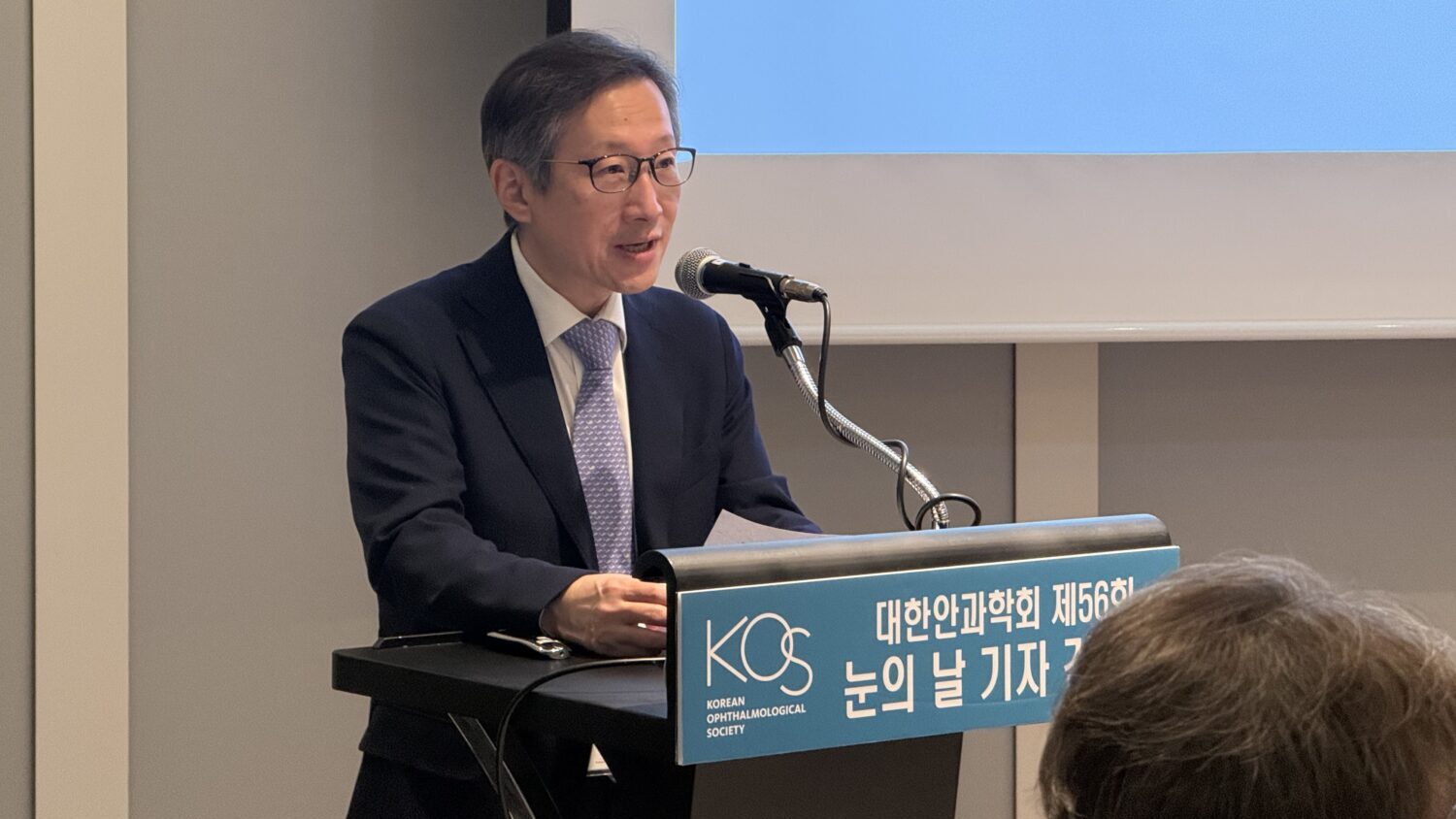
As the prevalence of myopia rises sharply, ophthalmology experts are warning that vision-correction procedures like LASIK do not eliminate the underlying risks of the condition. At a press briefing on the 8th held to mark "2026 Eye Day," the Korean Ophthalmological Society emphasized that lifelong eye care remains essential to prevent severe complications, including blindness.
Escalating Prevalence and the Importance of Early Prevention
"Myopia prevalence is rising rapidly worldwide, and South Korea in particular has an exceptionally high rate," said Ko Jae-woong, public relations director for the Korean Ophthalmological Society and a professor of ophthalmology at Chosun University Hospital.
According to 2022 military physical examination data for 19-year-old men in the Seoul area, more than seven out of ten were diagnosed with myopia, with one out of five classified as having high myopia. The Korean Ophthalmological Society projects that by 2050, myopia prevalence among men in this age group will exceed 90%.
"Myopia is a serious disease that goes beyond a simple need for corrective lenses; it can lead to structural alterations in the eye and severe ocular complications," Ko explained. "We must delay the onset of myopia during childhood and adolescence and closely monitor its rate of progression once it begins."
To delay onset, experts recommend that children spend at least two hours a day participating in outdoor activities—a strategy repeatedly validated by clinical research. Once myopia develops, regular eye examinations are critical. These checkups should evaluate not only eyeglass prescription changes but also structural shifts in the eyeball.
Refractive Surgery Corrects Vision, Not Structural Risk
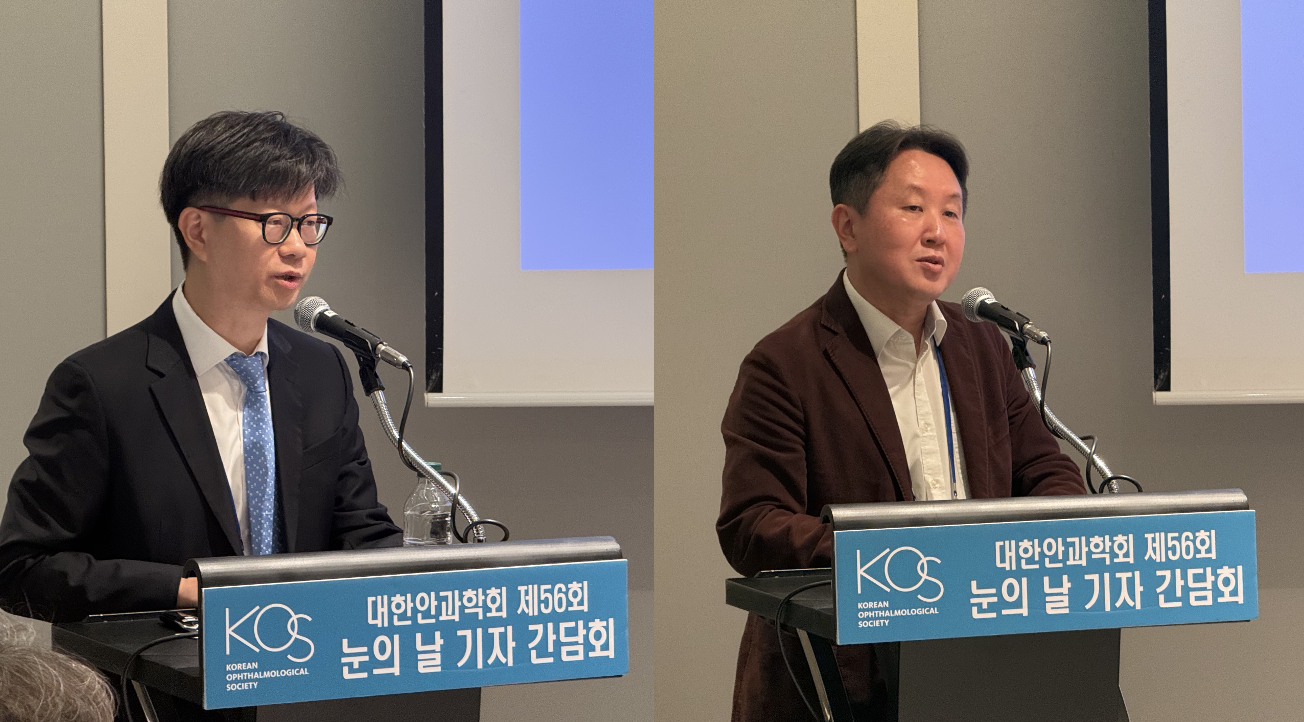
Yoo Jeong-gwon, planning director for the Korean Ophthalmological Society and a professor of ophthalmology at Korea University Anam Hospital, warned of the hidden dangers of unmanaged high myopia.
High myopia involves elongation of the eye's axial length—the distance from the cornea to the retina—which stretches and weakens the optic nerve and retinal tissues. This structural change significantly increases the risk of vision-threatening conditions. Compared to individuals without myopia, those with high myopia face approximately four times the risk of developing glaucoma and up to twelve times the risk of retinal detachment.
"Correcting your vision through refractive surgeries like LASIK or LASEK does not mean your eye health is fully restored," Yoo emphasized. "While surgery reshapes the cornea to fix refractive errors, the underlying structural elongation of the eyeball remains unchanged."
Because surgical correction can create a false sense of security, patients often become lax about routine eye care. Experts advise setting an individualized checkup schedule with an ophthalmologist based on pre-surgery myopia severity, axial length, age, family history, and the condition of the retina and optic nerve. Immediate medical evaluation is critical if patients experience warning signs such as a sudden surge in floaters, flashing lights, or partial loss of the visual field.
"Ultimately, the core of myopia management is to delay its onset as much as possible, slow its progression, and protect vision throughout life," said Kim Chan-yoon, chair of the Korean Ophthalmological Society. "Eye health requires continuous, lifelong attention from childhood through adulthood."