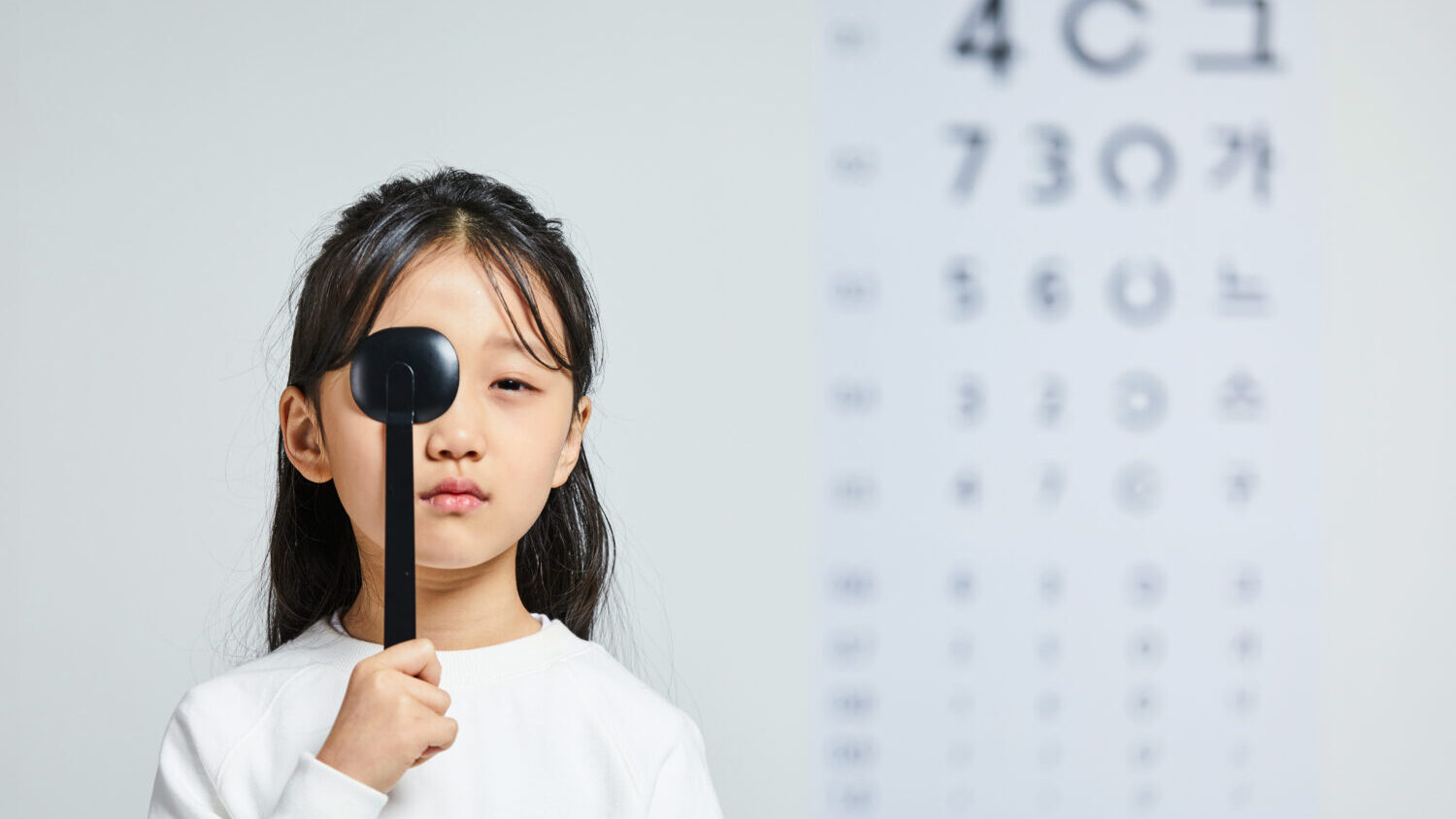
Nearly three out of four 19-year-old men in South Korea suffer from myopia, according to a recent study.
Ophthalmologists warn that when myopia develops during childhood, treatment must extend beyond simply prescribing glasses. Instead, care should focus on actively slowing the condition's progression through a structured, lifelong approach—including regular checks in adulthood to prevent serious complications such as macular degeneration.
On October 6, two days ahead of the 56th Eye Day, the Korean Ophthalmological Society published its "2026 Eye Day Fact Sheet" under the banner: "Myopia management is the start of lifelong eye health."
The report outlines current pediatric and adolescent myopia trends in South Korea and abroad, preventive strategies such as outdoor exercise, international management models, methods for evaluating and suppressing progression, and key warning signs of high myopia in adults.
Myopia is particularly prevalent among South Korean youth. An analysis of 519,703 19-year-old men in the Seoul area who underwent military conscription physical exams between 2013 and 2022 revealed that myopia prevalence reached 73.69% in 2022—roughly three in four young men.
High myopia accounted for 22.04% of those examined. The study calculated spherical equivalent refractive error—combining spherical power with half of the astigmatism value—and classified high myopia as -6.0 diopters (D) or lower in at least one eye. Researchers noted, however, that because the sample was limited to 19-year-old males in Seoul, the results do not reflect national adolescent rates as a whole.
The society emphasized that proactive care is essential even before vision deteriorates. Children without myopia should spend at least two hours outdoors every day. For those already diagnosed, parents should look beyond optical correction and actively monitor progression rates to determine whether preventative therapies are necessary.
Management remains equally critical into adulthood. Individuals with high myopia need ongoing screening for structural abnormalities in the retina, macula, and optic nerve.
"Myopia is not merely a matter of correcting eyesight," said Kim Chan-yoon, board chair of the Korean Ophthalmological Society. "It is a crucial eye health issue that requires early prevention and continuous, long-term management."