Even among cancer patients in their 70s, the capacity to tolerate major surgery or aggressive chemotherapy varies dramatically. Individual variables such as underlying chronic conditions, baseline physical strength, and overall physiological health can significantly increase the therapeutic burden an older patient faces.
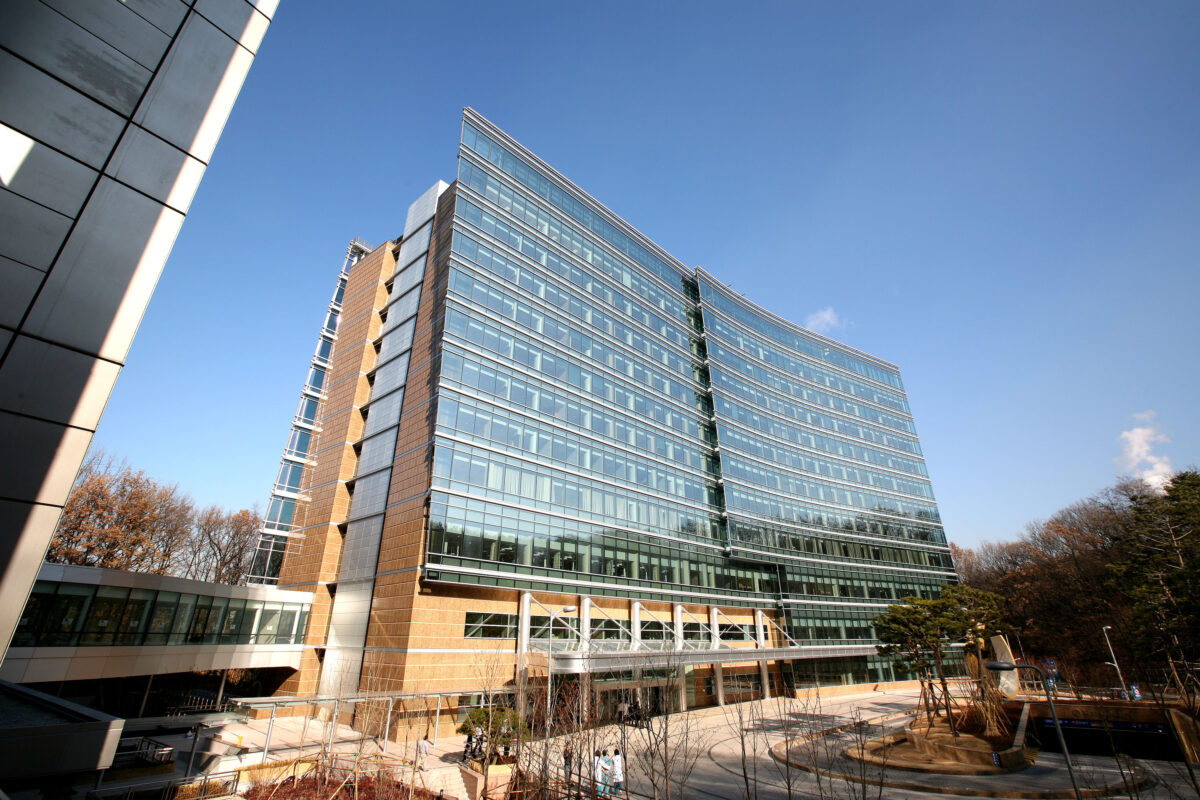
To better address these clinical realities, Samsung Medical Center Cancer Hospital is expanding a specialized care system across its entire institution. The hospital announced on the 13th that it officially launched the Comprehensive Cancer Care for Senior (CCCS) Committee on the 10th.
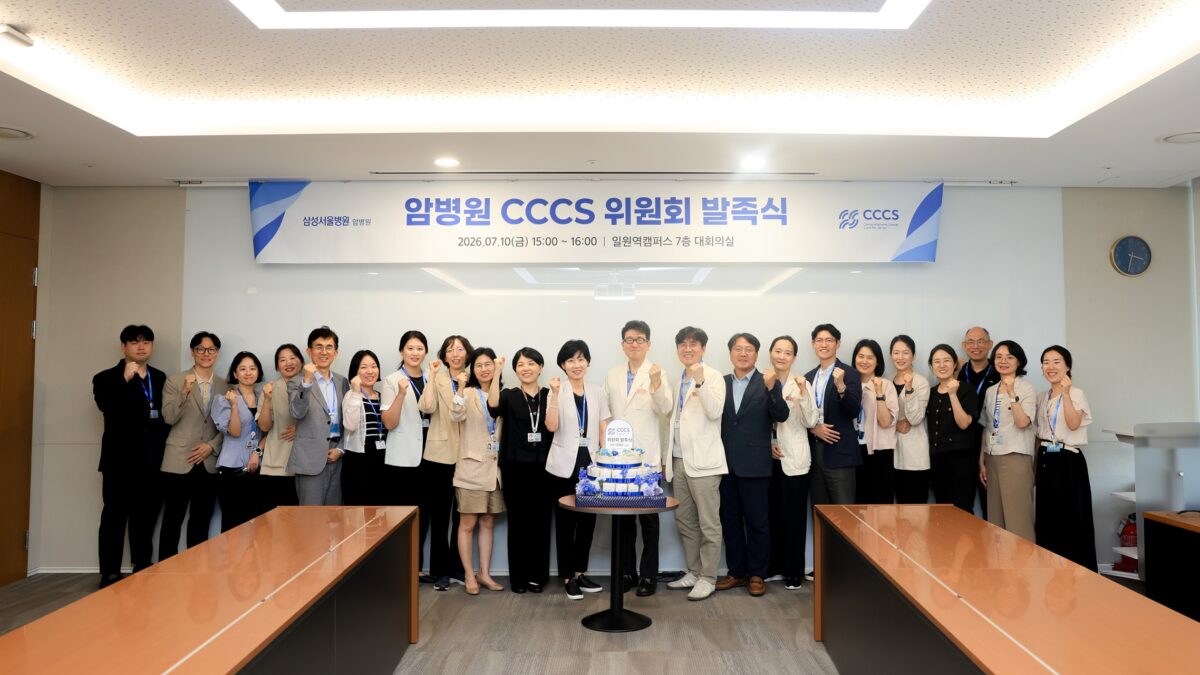
The CCCS initiative is a care model designed to evaluate the health profiles of hospitalized cancer patients aged 70 and older prior to treatment, thereby mitigating potential risks during clinical care. The framework is rooted in geriatric oncology, an evolving field that evaluates age-related physical and physiological changes alongside standard tumor staging.
Older oncology patients frequently present with multiple comorbidities or diminished physical stamina. When treatment strategies are built exclusively around the cancer type and how far it has progressed, clinicians can struggle to accurately gauge how much therapeutic stress a patient can safely withstand.
Crucially, the CCCS protocol does not determine intervention plans based on age alone. Instead, it systematically weighs a patient’s comprehensive health status against the anticipated treatment burden, embedding this assessment directly into clinical care and inpatient management. The objective is to prevent clinicians from automatically reducing treatment intensity based solely on advanced age, while also avoiding the opposite pitfall of applying standard adult protocols without proper adjustments.
A Multidisciplinary Hub for Age-Friendly Oncology
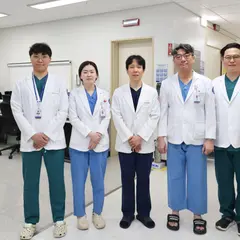
The newly established committee will serve as the core hub for expanding this senior-focused care model across the cancer hospital. Cancer Hospital Director Kim Hee-chul will serve as the committee chair. Participating departments span a wide array of clinical specialties, working alongside dedicated teams from nursing, pharmacy, nutrition, social work, and the hospital's Partners Center.
By uniting the clinicians responsible for direct cancer treatment with teams overseeing inpatient lifestyle, medication safety, nutritional health, and post-discharge support, the hospital aims to eliminate the management gaps that often occur before and after major medical interventions.
Furthermore, the hospital will establish a separate research organization dedicated to senior cancer care. This branch plans to analyze the clinical data accumulated through CCCS operations to develop standardized management approaches that can eventually be implemented across healthcare facilities nationwide.
"In our country, which has already transitioned into a super-aged society, an increase in older cancer patients is an unavoidable demographic shift," said Director Kim. "Given the unique characteristics of elderly patients, who frequently manage multiple chronic conditions and face greater physical burdens, our cancer treatment methodologies and medical services must evolve accordingly."
Kim added, "The launch of the CCCS Committee marks a pivotal turning point. We intend to cultivate a healthcare culture tailored specifically to older cancer patients and continue our evolution into a truly age-friendly institution."