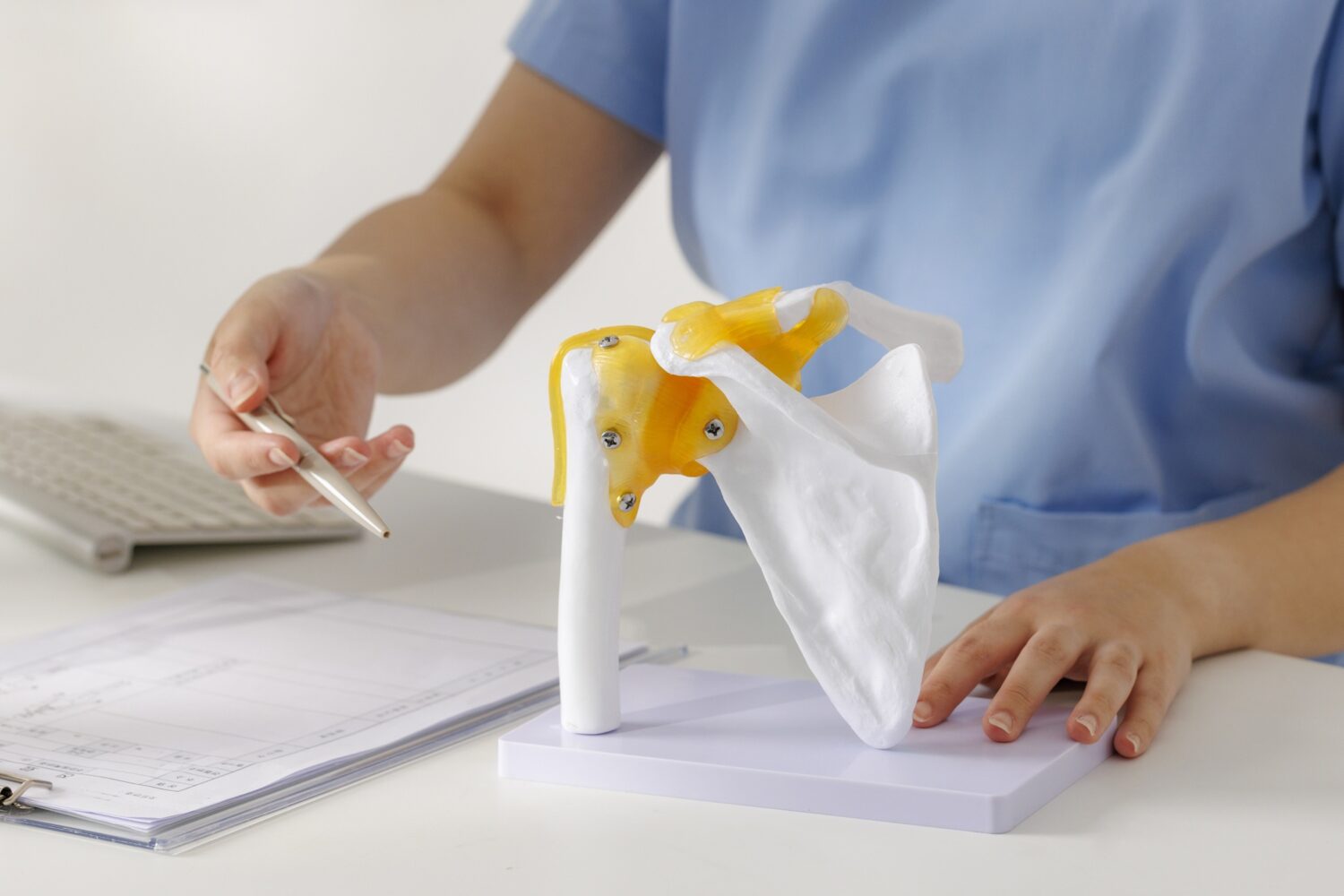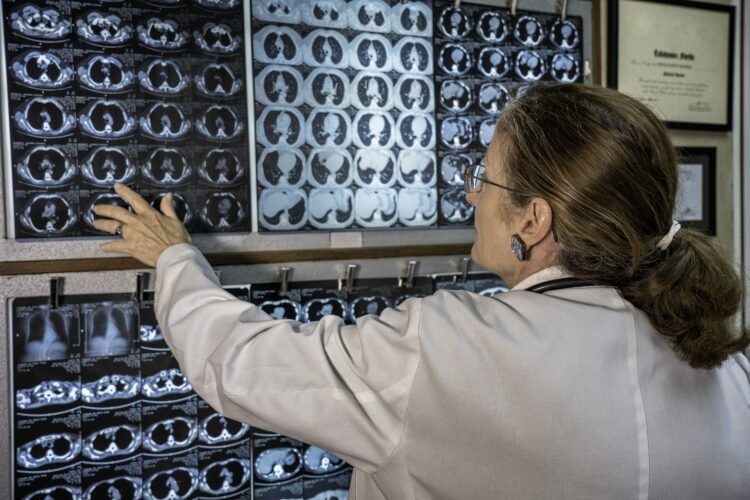
Inha University Hospital has signed a memorandum of understanding (MOU) with Remedi, a medical technology developer specializing in low-dose, ultra-compact X-ray solutions, to clinically validate and commercialize next-generation imaging devices. The hospital announced on June 30 that the two organizations will jointly pursue real-world technology validation and identify optimized models for frontline medical use.
The agreement codifies a history of trust built through multiple prior research projects between Inha University Hospital’s clinical faculty and Remedi. By transitioning this shared research experience into an institutional partnership, the partners aim to thoroughly review device models that can be seamlessly deployed in everyday clinical practice.
Meeting the Demand for Bedside and Mobile Diagnostics
Portable X-ray solutions are increasingly vital in medical environments where moving vulnerable patients poses significant risks. Transferring an unstable patient or one with limited mobility to a dedicated imaging room can compromise care. In high-stakes settings like emergency rooms, intensive care units (ICUs), and operating rooms, lightweight equipment that allows clinicians to capture and review images directly at the bedside is invaluable.
Furthermore, these compact systems hold massive potential for environments where installing traditional, fixed X-ray machinery is impossible. In space-constrained or unpredictable arenas—including disaster sites, ambulances, military medical deployments, and home healthcare visits—small, mobile imaging devices can drastically improve diagnostic access.
Inha University Hospital and Remedi plan to systematically evaluate how low-dose, ultra-compact equipment behaves in these diverse scenarios. Remedi’s flagship product, the Remex-KA6, is a portable X-ray generator weighing just 2.4 kilograms. Utilizing advanced low-dose technology, the company notes that safe diagnostic imaging can be performed without requiring separate lead-shielding facilities.
Integrating AI-Assisted Reading Support
The partnership will specifically examine the utility of these devices in emergency care, critical care, and orthopedics, while evaluating a diagnostic model integrated with artificial intelligence (AI) reading support software.
Medical devices rarely succeed on technological merit alone; they must prove intuitive in fast-paced environments, integrate smoothly into existing diagnostic workflows, and deliver the image quality necessary to aid critical clinical decisions. This reality is why the new agreement prioritizes rigorous, field-grounded technology validation over the simple procurement of hardware.
As a research-driven hospital certified by the Ministry of Health and Welfare, Inha University Hospital operates an open laboratory dedicated to validating and commercializing promising medical technologies. This partnership extends its commitment to industry-hospital collaboration, ensuring corporate innovations achieve clinical credibility.
"The core mission of a research-driven hospital and an open laboratory is to help companies with exceptional technology validate their real-world value and thrive within clinical environments," said Professor Yu Jun-il, head of Inha University Hospital’s AI and Big Data Center and a professor of orthopedics. "With this agreement as our foundation, we will steadily expand our impact through robust industry-hospital collaboration."