Jihyo, the leader of the K-pop girl group TWICE, has garnered significant attention after detailing her personal skincare regimen designed to maximize skin hydration.
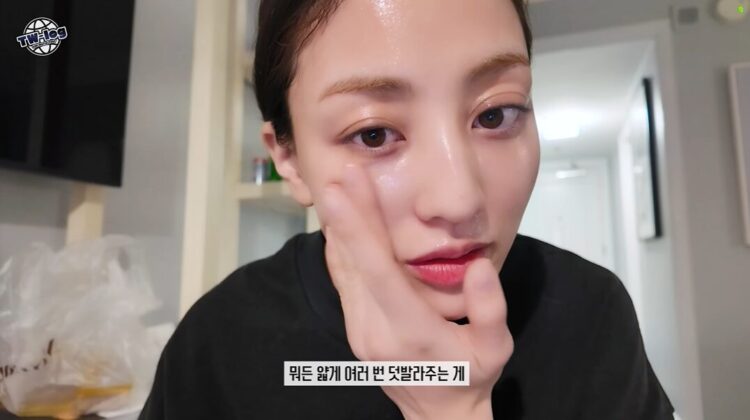
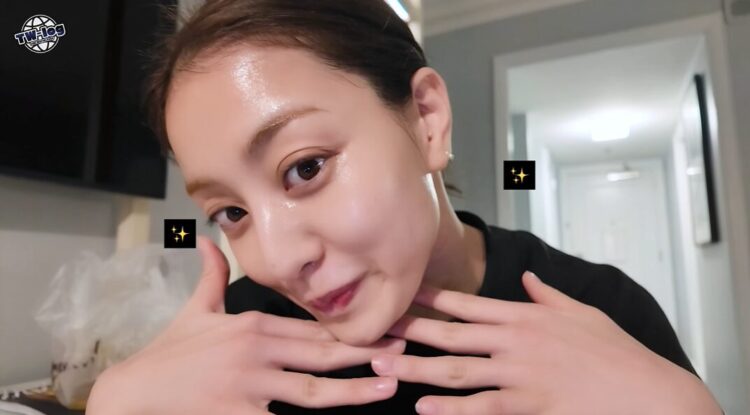
In a recent behind-the-scenes world tour video posted on TWICE’s official YouTube channel, Jihyo offered fans a glimpse into her offstage life. The vlog captured her exploring local dining options with fellow member Jeongyeon in Atlanta, Georgia, alongside a dedicated "skincare day" inside her hotel room. Jihyo noted that she prioritizes intensive skin care during the critical rest windows before and after high-energy concerts. After her cleansing routine, she applies a targeted ampoule, demonstrating her technique for viewers: “Every time I apply my basic skincare products, I use a beauty device for at least 30 seconds.” Her comprehensive routine also includes the application of a neck-wrinkle cream and a strict regimen for hand-and-foot care.
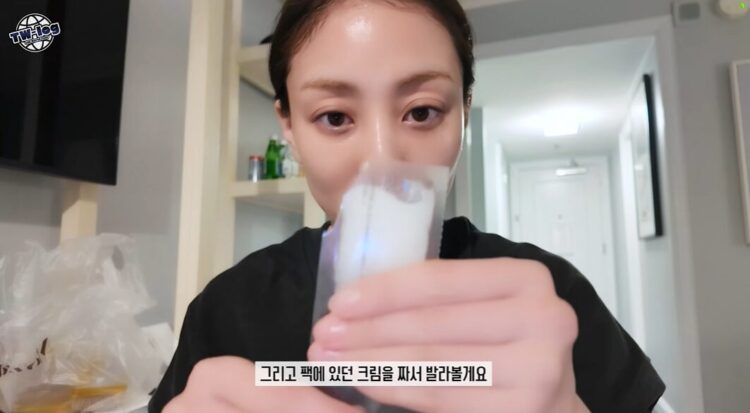
To prevent product waste, Jihyo extracts the residual essence from her sheet mask packaging and applies it directly to her face prior to laying down the mask. “After trying it, I think applying everything in thin layers multiple times absorbs the best,” she explained. She then seals in the moisture by applying the face mask as the final step of her hydration routine.
Because prolonged travel and dry hotel microclimates can rapidly deplete epidermal moisture, maintaining an effective hydration barrier is essential for touring artists. Below, we examine the dermatological efficacy of layering skincare products in thin increments and how to optimize these habits safely.
The Science of Layering: Does Applying Multiple Thin Layers Improve Hydration?
The method highlighted by Jihyo—applying topical products in consecutive, thin layers—is a clinically sound approach to mitigating dry skin. Rather than forcing active ingredients to penetrate deeper into the dermis, this technique ensures an exceptionally even distribution across the stratum corneum (the outermost layer of the epidermis) and prolongs the retention of moisture.
The stratum corneum serves as the body's primary physical shield, blocking external irritants and regulating trans-epidermal water loss (TEWL). When this barrier becomes depleted of moisture, the skin manifests dryness, texture irregularities, and desquamation (flaking), which causes makeup to cake or lift. Applying humectant and emollient formulas, such as ampoules and creams, establishes a microscopic protective film that retards water evaporation, preserving a smooth and resilient surface.
The clinical objective is uniform coverage rather than sheer volume. Slathering on a dense layer of product all at once can saturate the skin surface, leaving an unabsorbed residue that sits inertly on the skin. By dividing the application into small, incremental doses, the product can be spread systematically without clumping or congesting pores. This targeted approach also allows individuals to reinforce areas highly prone to localized dryness, such as the zygomatic arch (cheeks) and the perioral region (around the mouth).
However, infinite layering does not yield infinite benefits. Skincare routines must be dynamically adjusted to individual skin types and environmental humidity. Persistent tackiness, a heavy film, or the pilling of cosmetics are definitive indicators that the skin has reached its saturation point or that the product’s viscosity is unsuited to the individual's current skin state.
Optimizing Sheet Masks: Dealing with Residual Essence
Pre-coating the skin with the excess essence found inside a sheet mask pouch can assist in soothing highly dehydrated skin. However, consumers should avoid over-applying thick pools of fluid to the face out of a desire to use up the remaining product. Excessive residual fluid creates a highly lubricated, slippery surface that impairs the atmospheric adhesion of the sheet mask, causing it to slide down the face and lift away from the contours of the skin.
The optimal method is to distribute a single, measured layer of the excess essence across the face, pressing it gently with open palms to allow it to settle before placing the mask over it. A sheet mask adheres most securely when applied to skin that is properly primed and damp, rather than overtly saturated.
Adherence to the manufacturer's recommended wear time—typically 10 to 20 minutes—is fundamental. Prolonging the application does not increase the therapeutic delivery of the ingredients. Once a sheet mask begins to desiccate, a process of reverse osmosis can occur, wherein the drying matrix of the sheet begins to draw moisture back out of the epidermis, exacerbating dryness.
Following removal, any remaining surface essence should be lightly patted into the skin or redirected to secondary areas prone to friction and neglect, such as the hands and feet. As Jihyo observed, “In the past, I didn’t pay much attention to moisturizing my hands and feet, but once I started feeling dryness, I keep thinking about it.”
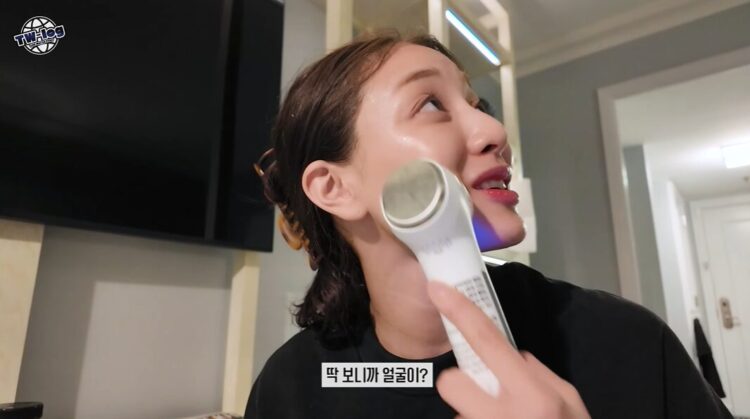
Integrating Beauty Devices: Keep Usage Brief and Low-Pressure
A growing segment of consumers now integrate at-home beauty devices into their daily skincare regimens. These instruments utilize technologies such as galvanic microcurrents, high-frequency micro-vibrations, thermal therapy, or localized cooling to facilitate the uniform spread of topicals and provide mild mechanical stimulation.
While utilizing a device briefly can enhance the experiential aspect of a skincare routine, extended usage does not equate to superior clinical outcomes. Because these devices involve direct, repetitive contact with the epidermis, excessive friction or aggressive pressure can induce mechanical irritation and micro-tears in a compromised skin barrier.
Devices should only be glided lightly across skin that has been generously lubricated with an appropriate conductive gel, ampoule, or serum. On days marked by acute erythema (redness), cutaneous stinging, active inflammatory acne, or a fundamentally compromised skin barrier, beauty devices should be omitted entirely to prevent cross-contamination or secondary inflammation. Finally, the treatment head must be sanitized with a suitable antimicrobial wipe immediately post-use; hardened cosmetic residues can act as fomites, introducing bacterial pathogens during subsequent applications.