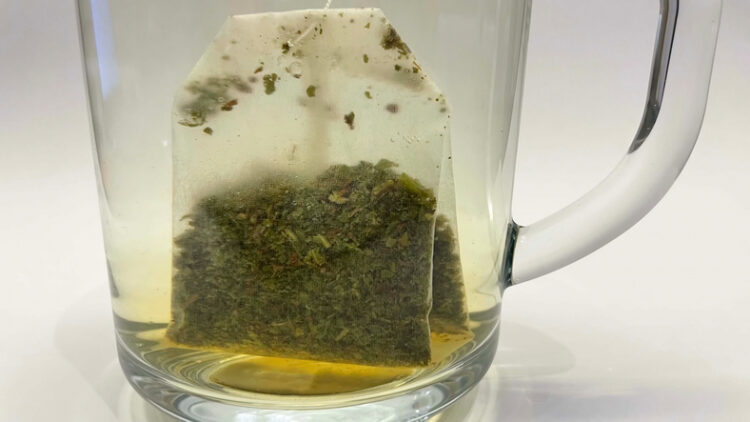
After brewing a warm cup of green tea, most people instinctively toss the used bag into the trash. However, even after a primary steep, tea leaves retain a significant concentration of bioactive compounds. Instead of discarding them, you can harness these remaining antioxidants and natural surfactants to solve common household problems. Here are five practical ways to get a second life out of your green tea bags.
1. A Natural Solution for Oily Scalps
Green tea is packed with polyphenols and catechins that combat oxidative stress and inflammation. For those struggling with an oily or itchy scalp, a green tea rinse can act as a gentle cleanser.
The Method: After shampooing, perform a final rinse using water in which you’ve steeped your used tea bags.
Pro Tip: For deeper conditioning, mix green tea powder with egg white in a 1:1 ratio to create a hair mask. Massage it into your scalp for five minutes before rinsing to strengthen hair follicles and refresh the scalp.
2. Neutralizing Stubborn Kitchen Odors
The catechins in green tea are powerful antibacterial agents, which is why the Korean Dental Association often highlights their ability to suppress mutans bacteria in the mouth. This same deodorizing power works wonders in the kitchen.
Microwaves: Place a damp tea bag inside and heat for one minute. The steam carries catechin compounds throughout the interior, neutralizing lingering food smells.
Cookware: To remove fishy odors from frying pans, boil 500 ml of water with two used tea bags for five minutes to break down odor-causing molecules.
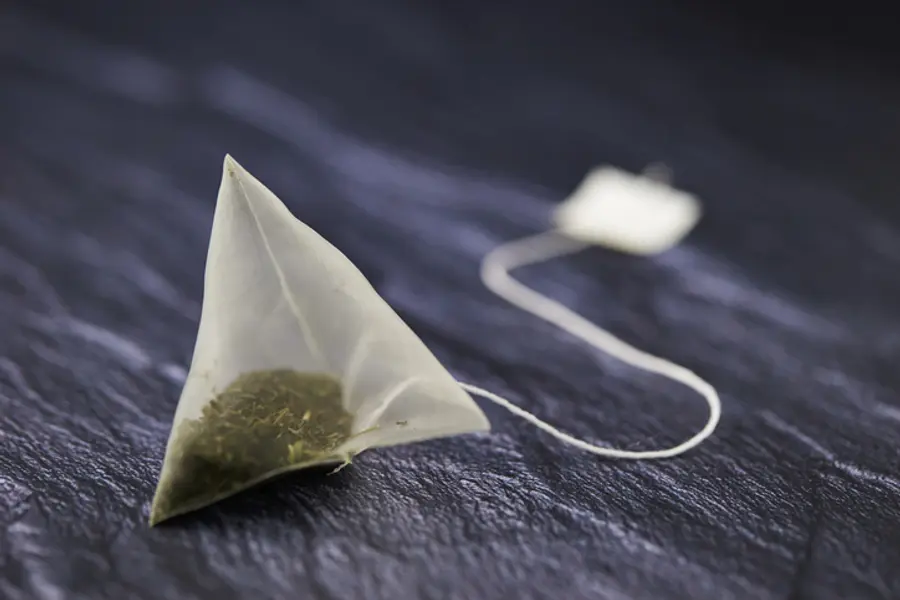
Green tea bags are effective for removing splattered grease from gas stoves or kitchen tiles. Photo: Getty Images Bank 3. All-Purpose Household Deodorizer
Beyond the kitchen, dried green tea bags serve as excellent, chemical-free air fresheners. Once you have finished steeping, allow the bags to dry completely. Place them in the corners of your refrigerator, inside musty shoe cabinets, or even at the bottom of gym bags to absorb and neutralize unpleasant scents.
4. Erasing Grease Grime with Saponins
One of the most surprising uses for green tea is as a cleaning agent. Green tea contains saponins—natural surfactants that interact with both water and oil. This allows them to emulsify and break down stubborn grease.
Application: Simply hold a used, damp tea bag and wipe down gas stoves, kitchen tiles, or countertops where oil has splattered. The saponins will lift the grime without the need for harsh chemical degreasers.
5. Nutrient-Rich Fertilizer for Houseplants
Green tea residue is a goldmine of nitrogen, potassium, and phosphorus—the "big three" nutrients for plant growth. A study published in the journal Plant and Soil even found that adding green tea residue to soil significantly increased the iron content in radish sprouts.
How to Apply: Remove the leaves from the bag, dry them thoroughly, and grind them into a fine powder. Mix small amounts into your potting soil regularly.
Warning: Never place wet tea leaves directly on the soil surface, as this can encourage mold growth or attract pests. Ensure they are composted or mixed into the soil properly.