Vinyl gloves are a staple in almost every kitchen drawer, typically perceived as simple disposables for handling raw meat or cleaning the sink. However, their utility extends far beyond basic hygiene. By understanding the technical differences between the materials used to make them, you can unlock a variety of practical uses, from food preservation to travel organization.
The Technical Divide: LDPE vs. HDPE
When purchasing a box of vinyl gloves, the packaging usually indicates whether they are made of Low-Density Polyethylene (LDPE) or High-Density Polyethylene (HDPE). These two materials possess distinct properties that dictate their best use cases.
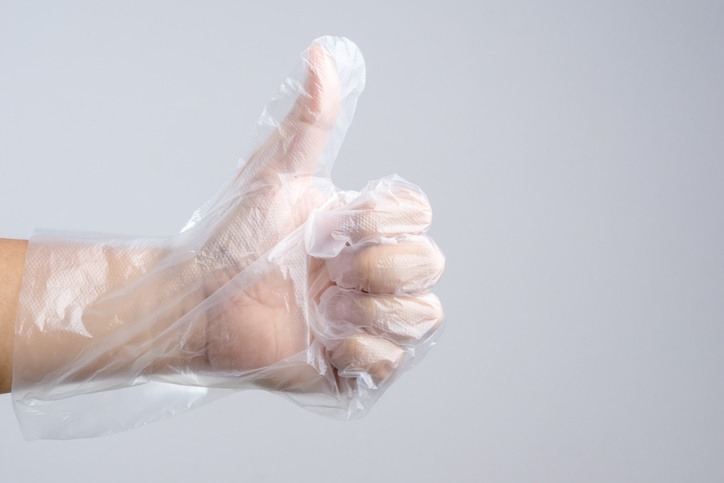
LDPE gloves are characterized by their soft texture and high transparency. They stretch smoothly when pulled and have a low moisture-absorption rate, making them ideal for storing foods with high water content, such as leafy vegetables or side dishes with broth. However, their structural integrity is lower; they can puncture easily under pressure or when in contact with sharp objects, and they may struggle to support the weight of heavy fruits or meats.
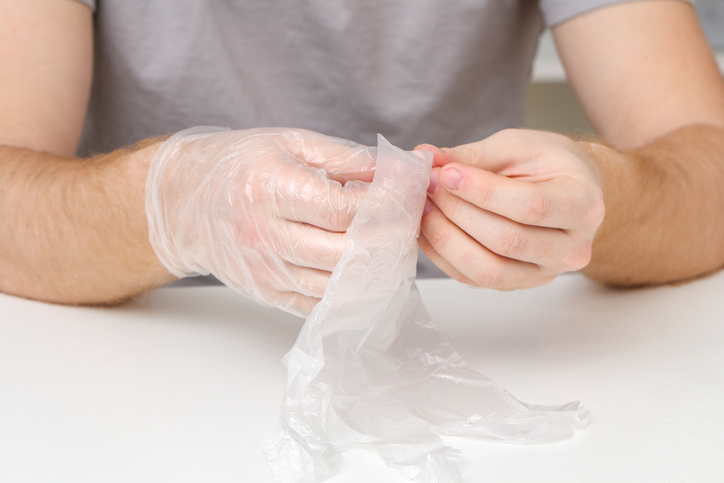
In contrast, HDPE is engineered for durability. These gloves are less transparent, often appearing slightly cloudy or matte, but they offer superior density and strength. HDPE is highly resilient against tears and scratches, making it the more rugged choice for kitchen tasks. Furthermore, HDPE boasts better heat resistance than LDPE, which is a critical factor when handling or storing warmer food items.
Innovative Ways to Portion and Store
Because of their strength, HDPE gloves are particularly effective for portioning ingredients. A popular culinary hack involves using the individual fingers of the glove to store pre-chopped seasonings like green onions or minced garlic. Once filled, the glove can be kept in the freezer; when a recipe calls for aromatics, you simply snip off one "finger" with scissors for immediate use.
This method is equally effective for outdoor enthusiasts. When preparing for a camping trip, you can pack precise amounts of sugar, salt, or spices into the glove fingers. By securing the midpoint of each finger with a rubber band, you prevent the contents from leaking or mixing, creating a lightweight, space-saving spice rack.
A Travel Essential for Toiletries and Medication
The utility of vinyl gloves extends into the bathroom and the travel bag. If you lack a dedicated pill organizer for a trip, the fingers of a glove can serve as daily dose compartments for supplements and medications. For moisture-sensitive pills, ensuring the openings are tied securely provides an airtight seal that protects the integrity of the medicine.
For liquids, transferring bulky bottles of shampoo, conditioner, or foam cleanser into glove segments significantly reduces luggage weight. Beyond liquids, gloves solve the common problem of hygiene on the go. If you are traveling without a toothbrush case, you can place individual toothbrushes—or even makeup brushes—into separate fingers of a single glove. This keeps the bristles clean, prevents cross-contamination between family members, and ensures your grooming tools remain organized and tidy.