If your clothes emerge from the wash with a persistent musty odor, it is natural to blame a lack of ventilation or a faulty washing machine. However, the true culprit might be sitting right on your laundry shelf. Over time, laundry detergent deteriorates, losing its cleaning efficacy and potentially causing harm to both your wardrobe and your appliances.
Many consumers are unaware that laundry detergent has a shelf life. It is common for products purchased in bulk during sales to sit forgotten in corners for years. Even if the appearance hasn't changed, detergent that has passed its optimal expiration date may have undergone chemical changes that render it ineffective.
Understanding the Shelf Life: Liquid, Powder, and Capsules
The lifespan of your cleaning products depends heavily on their form and storage conditions:
Liquid Detergent: Typically lasts 2 to 3 years from the date of manufacture. Once opened, it should be used within one year. Because of its high moisture content, liquid detergent is susceptible to microbial growth and phase separation when exposed to air and humidity.
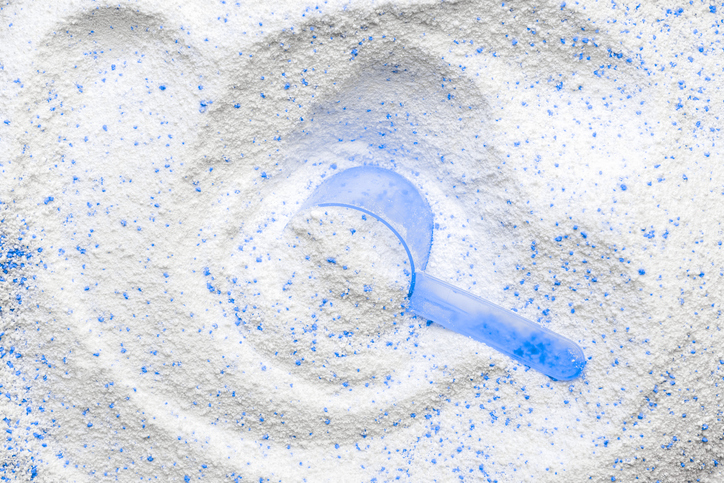
Powder Detergent: This can remain effective for up to 18 months, provided it remains dry. If the powder has clumped together, it has likely absorbed moisture and lost its cleaning power.
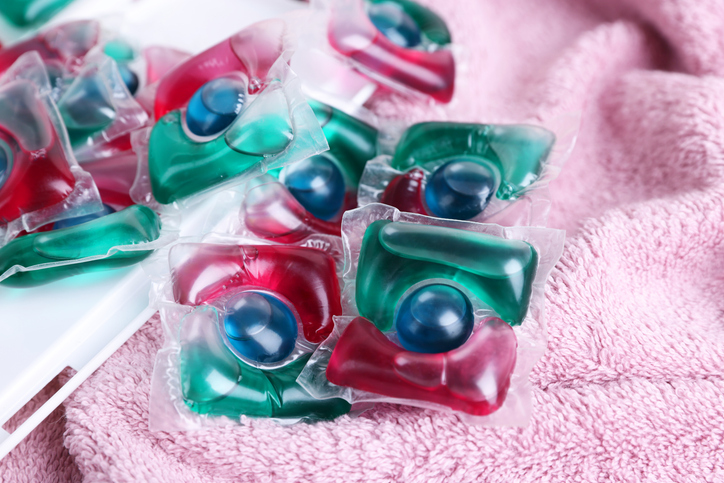
Capsule Detergent: These are highly sensitive to temperature and humidity due to their water-soluble film. If the capsules feel sticky or are clumped together, the film has begun to degrade. Generally, they are best used within 15 months.
Fabric Softeners: These should be used within one year of opening. Beyond this point, the fragrance dissipates, and surfactants may separate into granules or lumps. If the liquid is no longer smooth and clear, it should be discarded.
The Hidden Dangers of Using Expired Products
Deteriorated detergent fails to produce adequate foam and cannot effectively break down stains or odors, leading to that familiar musty smell. More importantly, expired detergent can leave solidified residues that stick to fabrics and accumulate inside the washing drum. This sticky buildup is a primary breeding ground for mold and can eventually lead to mechanical failure of the washing machine.
Proper Storage and Disposal
To maximize the lifespan of your detergent, store it in a cool, dry place away from direct sunlight. Avoid keeping detergent in the bathroom during the humid summer months. A practical tip is to write the opening date on the container to track its freshness.
When it comes to disposal, do not pour old detergent down the kitchen or bathroom drain. Doing so can cause excessive foaming and clog pipes with sticky chemical components. Instead, the safest method is to let old clothes or towels absorb the liquid and dispose of them in the designated trash bin.