Comedian Park Sae-mi confessed to having undergone nose resurgery.
In a recent video uploaded to the YouTube channel ‘Baekma TV’, Park Sae-mi said, “I’ll say this in advance. I had nose resurgery. It might look unfamiliar now.”
She explained the reason for her decision to have resurgery, saying, “At first, someone called me a ‘pig-nosed monster’ (plastic surgery monster). My nose was quite upturned at that time,” and added, “It’s only been three weeks since the surgery, so the swelling hasn’t gone down yet. I’m saying this in advance before anyone leaves negative comments. I’m not a pig-nosed anymore.”
Park Sae-mi also joked, “My whole body is twisted. I have ear cartilage in my nose, and I have ribs in my nose,” and said, “So I can’t exert myself. I don’t have a single rib.”
Previously, Park Sae-mi announced the fact of her nose resurgery on her YouTube channel, explaining, “Last time I had ear cartilage put in, but this time I had rib cartilage put in. Here, my nose is my rib.”
If contraction occurs after nose surgery, the nose shape may turn up
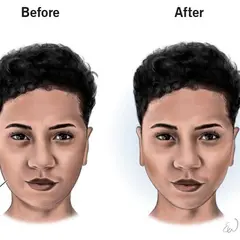
Like Park Sae-mi, many people undergo resurgery when their nose turns up after surgery. The phenomenon where the tissue at the surgical site abnormally contracts, causing the nose shape to deform, is called contraction (拘縮).
The main causes include the body recognizing the implant as a foreign substance, leading to a fibrotic reaction, initial infection, and persistent micro-inflammation. Even without infection, if a weak inflammatory response persists around the implant for a long time, healing may progress in a direction that causes tissue contraction, ultimately leading to contraction.
In particular, the ear cartilage used in Park Sae-mi's first surgery has high elasticity, is thin, and has a soft curved structure, which is advantageous for natural nose tip expression, but its support is relatively weak. Therefore, even if contraction does not occur, if the existing skin is thick, if the nose tip was lowered significantly during surgery, or if there is insufficient septal support, over time, the cartilage may bend or the nose tip may turn up again.
Rib cartilage is relatively safe and has good support in contraction
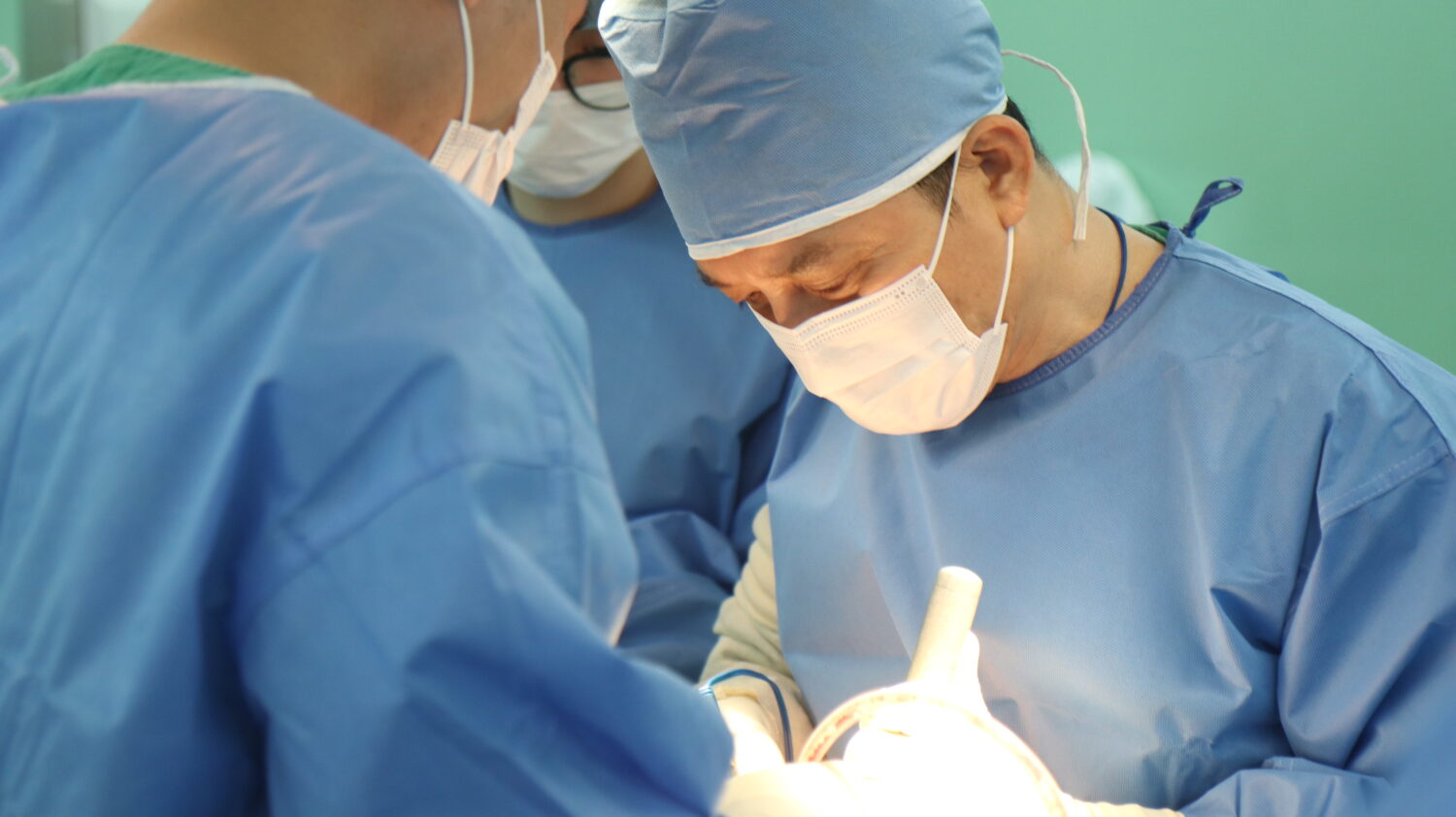
In such cases, using rib cartilage in nose resurgery is a good choice in terms of safety. Rib cartilage is autologous tissue, so there is almost no foreign body reaction, making it relatively safe in contraction, and it can firmly support the nose tip, providing high structural stability.
However, since cartilage must be harvested from the rib, there may be pain during the harvesting process, and scar management is necessary. Additionally, rib cartilage has very low risks of immune or rejection reactions, but in some patients, the cartilage may slightly absorb or change shape initially.
Park Sae-mi mentioned that she used autologous rib cartilage, saying, “I don’t have a single rib,” but the cartilage harvested during the autologous rib cartilage surgery is not bone, but rather cartilage close to the sternum. In other words, it does not involve removing an entire rib, but rather excising a portion of the cartilage that connects the bone and sternum, so there is no situation where an entire rib is lost or the thoracic structure is weakened.
Avoid smoking and drinking after surgery and be careful not to apply shock
Meanwhile, to prevent contraction and maintain stable surgical results, it is essential to thoroughly avoid pressure and shock applied to the nose during the initial recovery period after surgery. Smoking significantly reduces blood flow, greatly increasing the risk of contraction, so it should be avoided, and drinking, which promotes inflammation, should also be avoided.
Through hygienic management, initial infections should be prevented, and if there are signs of inflammation, they should not be neglected, and early treatment should be sought. It is also necessary to visit the hospital at least every 6 months to 1 year to check the condition.