Former national wrestling representative Shim Kwon-ho (53) is recovering after liver cancer surgery.
Shim Kwon-ho's liver cancer diagnosis was revealed through the TV Chosun program 'The Love Fool of Joseon' aired on the 2nd. The 53-year-old lifelong single Shim Kwon-ho was in the process of his marriage project, but he went out of contact, raising concerns.
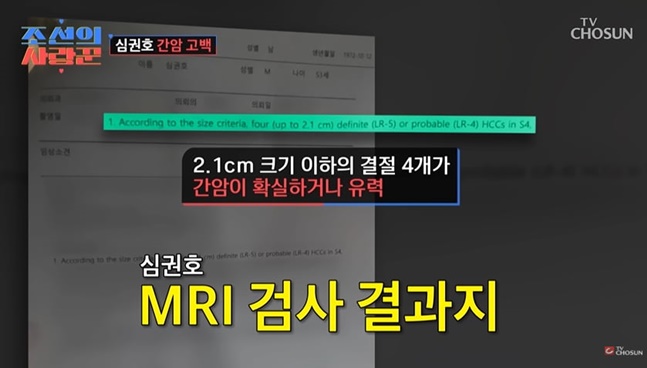
Due to his dark complexion, Shim Kwon-ho suffered from health concerns and complained of fatigue. He visited the hospital at the production team's suggestion for a check-up but left the place firmly refusing to undergo a liver ultrasound. A few days later, Shim Kwon-ho confessed that he had been diagnosed with early-stage liver cancer.
Shim Kwon-ho said, "I knew it was liver cancer, and honestly, I was scared. I couldn't accept why this was happening to me when I was still running around fine. I was afraid of the eyes around me, and it was burdensome for my condition to be made public," and added, "I couldn't easily talk to anyone about it. If I had a partner, I would have shared my worries, but I couldn't even tell my parents."
He continued, "I wanted to escape from reality. Not receiving treatment was not giving up; it was just a desire to disappear. This whole situation was overwhelming, and I didn't want everything I had done until now to stop," and he reddened his eyes.
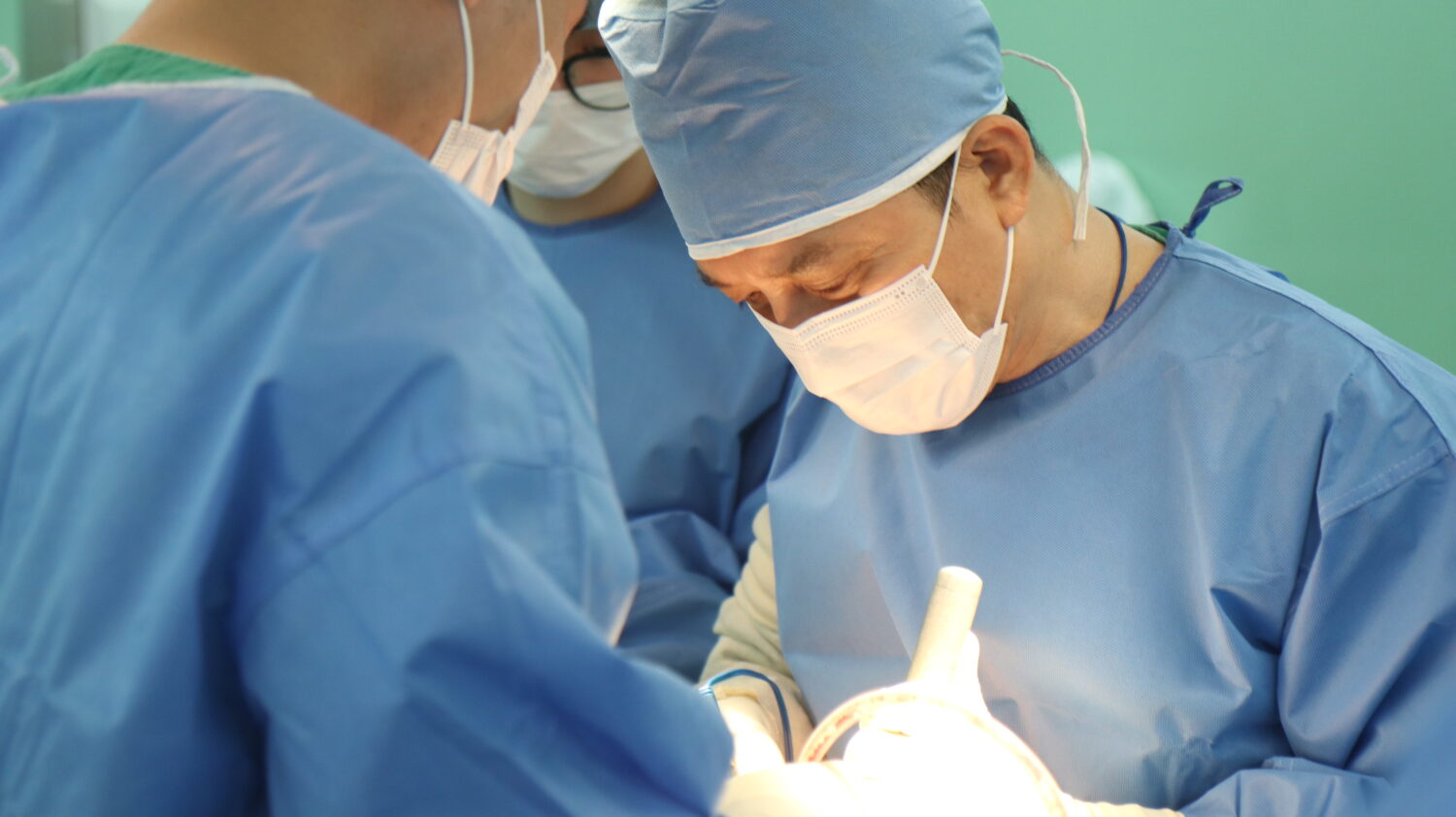
Fortunately, with the support of those around him, Shim Kwon-ho decided to receive treatment and successfully completed the surgery. Appearing with a much brighter complexion, Shim Kwon-ho said, "I caught the liver cancer well. Thanks to a lot of support, I got good results. I will show you a healthy appearance," and smiled brightly.
Shim Kwon-ho is a 'legend of wrestling' who achieved the world's first two-weight Grand Slam. When rumors of alcohol addiction and health concerns arose, he dismissed them by saying, "I just like meeting people," but ultimately, he had a problem with his liver.

Liver Cancer and Complexion
Liver cancer or liver diseases can cause changes in skin or complexion related to liver function decline. Due to bilirubin metabolism disorders, jaundice (the skin and the whites of the eyes turning dark or yellow) can occur, making the face appear dark or gloomy. Bilirubin is a substance produced when red blood cells are destroyed, metabolized in the liver, and then excreted with bile through the bile ducts. If liver function is impaired, the metabolism does not proceed normally, leading to accumulation in the body, causing the skin to turn yellow due to bilirubin pigment. When excessive alcohol consumption occurs, as in the case of Shim Kwon-ho, damage to liver cells accumulates, and these symptoms become pronounced, which can also be observed in early-stage liver cancer. This is not a standalone symptom of liver cancer but a signal of liver function deterioration, making early screening important.
The main causes of liver cancer include chronic hepatitis B (over 70% of patients) and hepatitis C, which cause repeated liver destruction and regeneration, excessive alcohol consumption leading to alcoholic cirrhosis and liver disease, and fatty liver related to obesity and diabetes. Chronic hepatitis B and C refer to a state where the virus continuously attacks liver cells, causing the liver to deteriorate and attempt to recover repeatedly. If this process continues, liver tissue hardens, and function declines, eventually leading to cirrhosis and liver cancer.
Symptoms and Treatment
Symptoms of liver cancer may include upper abdominal pain or lumps, abdominal bloating, weight loss, severe fatigue, jaundice, and loss of appetite, but early symptoms are often not distinct, making early detection difficult.
Treatment methods include surgical resection, liver transplantation, transarterial chemoembolization, radiofrequency thermal therapy, and chemotherapy, with appropriate methods chosen based on the patient's condition. Resection surgery is a method to completely remove the tumor and is applied to patients with sufficient liver function and good overall condition. Liver transplantation is a method of replacing a diseased liver with a healthy one, effective for early-stage liver cancer patients. Transarterial chemoembolization is a method that blocks the blood vessels supplying blood to the tumor and is used for advanced liver cancer where surgery is difficult. Radiofrequency thermal therapy involves identifying the tumor's location using ultrasound and then necrotizing the tumor with radiofrequency, while chemotherapy involves administering drugs systemically to eliminate cancer cells, often in conjunction with other treatments.
Prevention
According to Bundang Seoul National University Hospital, while surgery is advancing, many people have risk factors for liver cancer due to Westernized eating habits and frequent drinking, making prevention and early detection crucial. Regular check-ups are essential for those with hepatitis B, C virus carriers, or cirrhosis patients, with recommendations for abdominal ultrasound or CT and blood tests every six months. Even after treatment, the possibility of recurrence is high, necessitating continuous follow-up.
Preventive measures include vaccination against hepatitis B and blocking routes of hepatitis C infection as a priority. Abstaining from alcohol and smoking, consuming protein and fats in moderation, and ensuring adequate intake of vitamins and minerals are also important. Little-known health supplements can put a strain on the liver, so they should be avoided.