
When waste remains in the intestines for too long due to constipation, the body’s circulation slows down, directly impacting skin health. However, the way your skin signals this internal distress varies significantly by age. While the 20s are characterized by high recovery rates and immediate breakouts, the 40s and 50s often face a combination of decreased intestinal function and hormonal changes that accelerate visible aging.
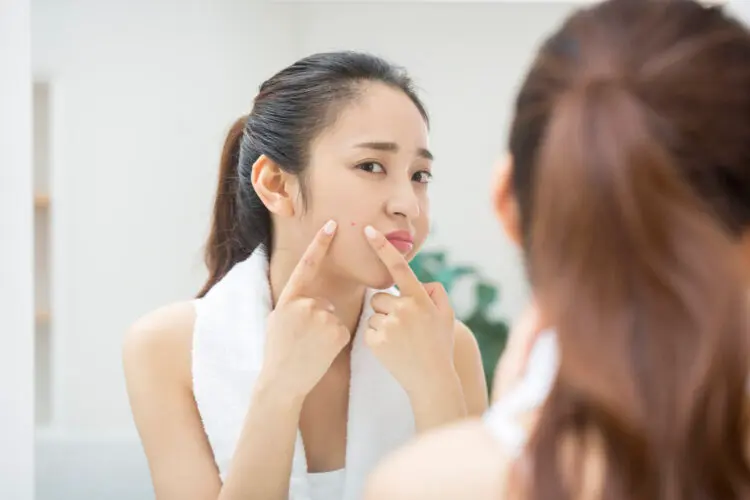
In Your 20s: High Sensitivity and Immediate Breakouts
In this age group, sebum production is active and skin regeneration is fast. When constipation temporarily disrupts the intestinal environment, the skin surface typically reacts without delay.
The Signal: You may notice a sudden increase in acne or small pimples on the cheeks, chin, and forehead. Makeup that usually sits well may suddenly appear uneven or patchy.
The Cause: Disrupted intestinal flora can trigger rapid immune responses, leading to redness, flushing, and increased sensitivity that can even resemble an allergic reaction.
The Fix: Because recovery ability is high, simple adjustments like increased hydration, dietary fiber, and a consistent probiotic routine can quickly restore both intestinal movement and skin clarity.
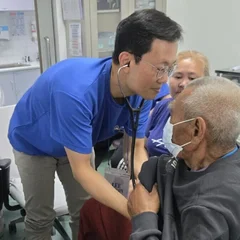
In Your 40s and 50s: Dullness and Accelerated Aging
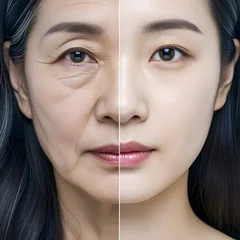
By middle age, the skin's barrier function and moisture retention have naturally declined. During this period, constipation acts less as a trigger for acne and more as a catalyst for aging.
The Signal: Rather than breakouts, the skin often takes on a heavy, uneven dullness. Slowed intestinal movement hinders blood circulation, making fine lines and loss of elasticity more pronounced.
The Cause: Constipation often overlaps with hormonal changes, slowing the skin’s regeneration rate itself. Waste buildup can lead to sagging and deeper wrinkles, especially if sleep quality is also affected.
The Fix: Management must go beyond basic fiber. A holistic approach including protein intake, abdominal stimulation exercises, and scheduled bowel movements is necessary to restore complexion and elasticity.
Age-Specific Management Strategies
In your 20s, the focus should be on metabolic recovery. Regular aerobic exercise and high-fiber fruits can restore intestinal movement relatively easily, improving skin tone.
In contrast, those in their 40s and 50s should prioritize stabilizing intestinal function. Beyond hydration, this includes consistent protein intake and core-strengthening exercises. At this stage, management focused on restoring the complexion and skin density is more vital than simply treating surface-level breakouts.
The Bottom Line
The recovery of your intestinal health ultimately determines the success of your skincare routine. Whether you are managing the reactive skin of your youth or the maturing skin of your 50s, a healthy gut remains the true secret to a youthful glow.