
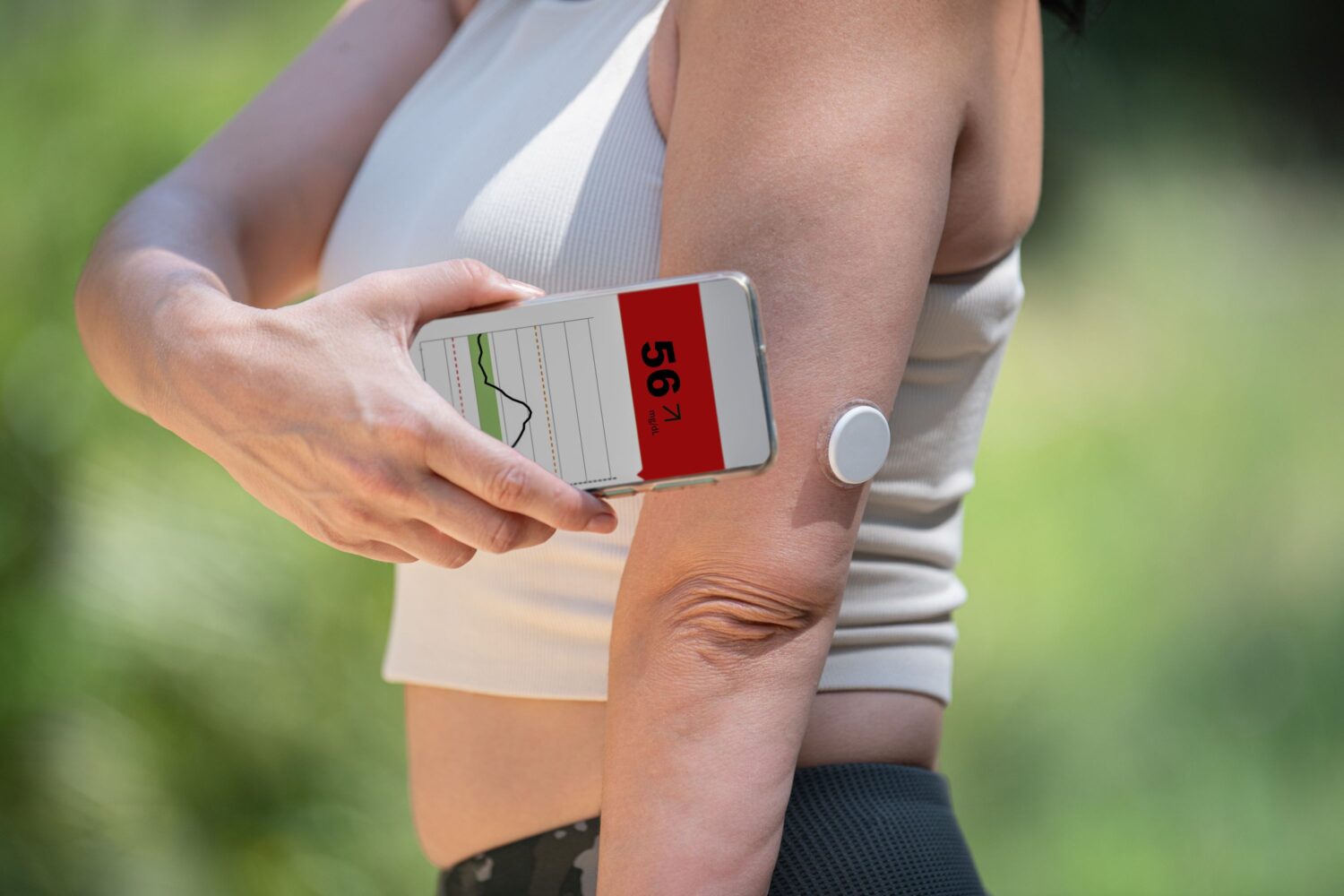
Type 1 and type 2 diabetes stem from fundamentally different underlying etiologies. In type 1 diabetes, an autoimmune response destroys insulin-producing pancreatic beta cells, leaving the body dependent on lifelong exogenous insulin therapy. In contrast, type 2 diabetes develops when the body becomes resistant to insulin or fails to secrete sufficient amounts.
For individuals with type 1 diabetes, optimal management requires a delicate balance: lowering blood glucose levels to prevent vascular complications while avoiding severe hypoglycemia. This balance becomes increasingly difficult as patients age, particularly when complicated by declining renal function.
However, a landmark South Korean study shows that adults aged 65 and older with type 1 diabetes can achieve significant improvements in blood glucose metrics without an increased risk of hypoglycemia—a pattern also observed in patients with chronic kidney disease. Samsung Medical Center announced on the 14th that the research team's findings were published in the journal Diabetes Care.
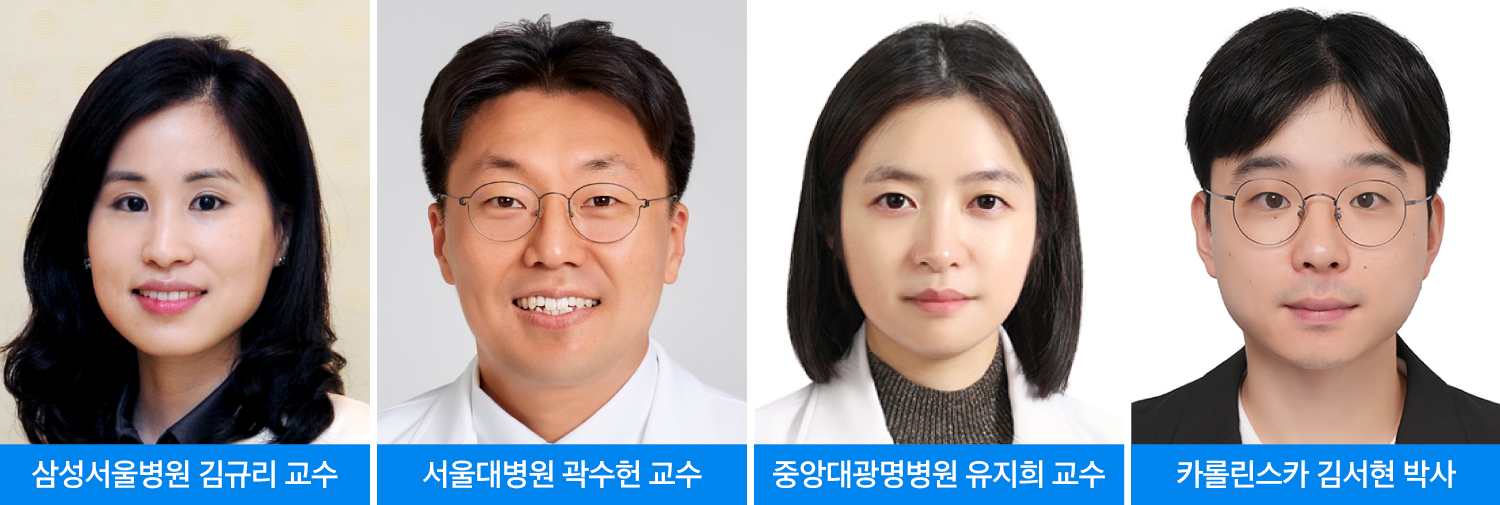
The joint research team—led by Prof. Kim Gyu-ri of Samsung Medical Center, Prof. Kwak Soo-heon of Seoul National University Hospital, Prof. Yoo Ji-hee of Chung-Ang University Gwangmyeong Hospital, and Dr. Kim Seo-hyun of the Karolinska Institute in Sweden—analyzed blood glucose data from 1,028 adults with type 1 diabetes across Samsung Medical Center, Seoul National University Hospital, and Wonju Severance Christian Hospital. The long-term analysis tracked 600 patients using 3,441 continuous glucose monitoring (CGM) records over a three-year period.
Target Gains Without Increased Hypoglycemia Risk
Continuous glucose monitoring continuously tracks glycemic fluctuations via a wearable sensor. The researchers defined "time in range" (TIR) as the percentage of time blood glucose remained within the target window of 70 to 180 mg/dL, while readings below 70 mg/dL were classified as hypoglycemia.
The analysis revealed that patients aged 65 and older experienced a progressive increase in time spent in the target range over time, with the rate of improvement matching that of younger cohorts. Similarly, patients with chronic kidney disease demonstrated meaningful increases in TIR. Crucially, neither group experienced an increase in time spent in hypoglycemia.
In contrast, patients with severely impaired pancreatic beta-cell function faced greater difficulties in glycemic control. Individuals with fasting C-peptide levels below 0.24 ng/mL—a key biomarker of endogenous insulin secretion capacity—exhibited greater glucose variability, higher rates of hypoglycemia, and smaller improvements over time. Overweight patients and those with high insulin resistance also spent significantly less time in the target range.
Aligning Findings with Global Clinical Guidelines
The study's observations align with earlier international trials highlighting the clinical utility of continuous glucose monitoring in older populations. A 2020 trial published in JAMA demonstrated that adults aged 60 and older using CGM spent an average of 27 fewer minutes per day in hypoglycemia compared to those using traditional fingerstick self-monitoring.
Current clinical guidelines also emphasize individualized glycemic targets. The American Diabetes Association (ADA) 2026 Standards of Care recommends tailoring TIR goals based on overall health status: setting a target of at least 70 percent TIR for healthy older adults, while adjusting the goal to at least 50 percent TIR and strictly limiting time in hypoglycemia to under 1 percent for patients with multiple comorbidities or cognitive decline.
While the South Korean study was an observational clinical analysis rather than a randomized intervention trial, it underscores significant heterogeneity among patients in identical age or risk brackets. Even among individuals aged 65 and older or those with chronic kidney disease, glycemic patterns varied widely from stable control to frequent swings between hyperglycemia and hypoglycemia.
The authors emphasize that clinicians must look beyond age and diagnostic categories alone when formulating treatment plans. Optimal care requires evaluating individual glucose variability, hypoglycemia timing and duration, residual beta-cell function, and metabolic risk factors to establish personalized insulin dosing and management goals.