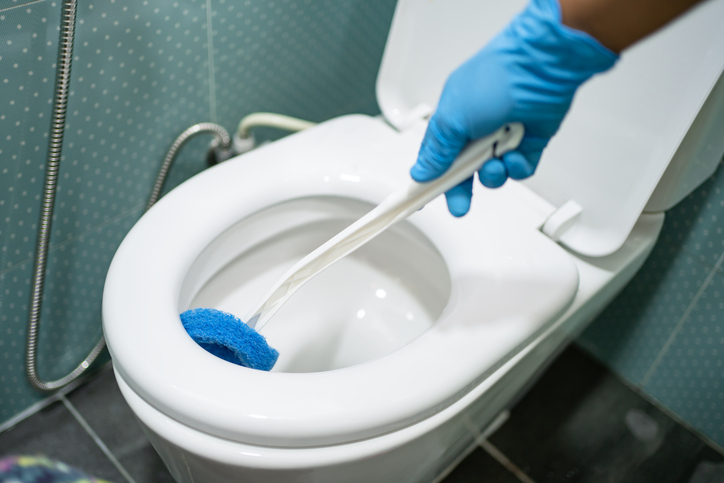
Cleaning the bathroom is often a chore people put off because it feels like a hassle. However, you can maintain a sparkling clean space using items already in your pantry. Leftover beer and vinegar are surprisingly effective at breaking down toilet bowl limescale and neutralizing odors. Here is how to clean your bathroom without relying on harsh chemical detergents.
How Beer Breaks Down Limescale
To understand why beer works, you first have to look at what toilet limescale actually is. This buildup forms when calcium and magnesium from tap water accumulate and harden over time, creating an alkaline deposit. When an alkaline substance meets an acidic ingredient, a neutralization reaction occurs, making the grime much easier to scrub away.
Flat beer is an ideal cleaning agent because it contains organic acids and citric acid. To use it, slowly pour the beer along the rim of the toilet, ensuring it coats the entire inner surface. Let it sit for 30 minutes to an hour to allow the acids to react with the minerals. To finish, lightly scrub the bowl with a toilet brush and flush.
While beer is excellent for routine maintenance, it may not be strong enough to remove thick, heavy buildup. In those cases, it is best to use a dedicated cleaner for the initial deep clean and then use leftover beer for ongoing upkeep.
Cleaning with Vinegar
Vinegar is a well-known acidic staple that is equally useful. The acetic acid in vinegar triggers a chemical reaction that breaks down alkaline residue. While you can pour vinegar directly into the bowl, you can boost its effectiveness by soaking toilet paper in vinegar and sticking it to the inner walls of the toilet. After 30 minutes, remove the paper and scrub the surface with a brush.
However, a word of caution: if you plan to use sodium percarbonate (an alkaline cleaner) afterward, ensure the vinegar is thoroughly flushed away. Combining acidic vinegar with alkaline sodium percarbonate will neutralize both, significantly reducing their cleaning power.
No Beer or Vinegar? Try Mouthwash
If you don’t have beer or vinegar on hand, mouthwash is an effective alternative for removing limescale and odors. Mouthwash typically contains ethanol and chlorhexidine, which act as antibacterial agents by disrupting bacterial cell membranes.
The method is simple: pour about 1/4 cup of mouthwash into the toilet and let it sit for 30 minutes to an hour. Scrubbing afterward requires very little force, as the antibacterial ingredients help break down grime while simultaneously refreshing the air.