Vegetables are the cornerstone of any diet focused on health and weight loss. Rich in dietary fiber, vitamins, and antioxidants, they offer a multitude of physiological benefits. However, consuming an excessive amount of certain vegetables simply because they are "healthy" can occasionally be counterproductive. Depending on an individual’s constitution or existing medical conditions, specific vegetables may require caution. Here are seven vegetables you should eat mindfully.
Cabbage: Excellent for the Stomach, but a Risk for IBS
Cabbage is widely recognized for protecting the gastric mucosa (stomach lining). It is rich in Vitamin C and glucosinolates, which promote gastric health and provide potent antioxidant effects. This is why cabbage juice is often recommended for those suffering from gastroesophageal reflux disease (GERD).
However, cabbage is high in fructans, a type of carbohydrate that is not well-absorbed in the small intestine. Instead, it ferments in the large intestine, producing gas. Individuals with Irritable Bowel Syndrome (IBS) or a sensitive digestive system should avoid eating cabbage raw. Cooking it can help, but if gas production remains high, it may be best to avoid it altogether.
Spinach: Folate-Rich but a Risk for Kidney Stones
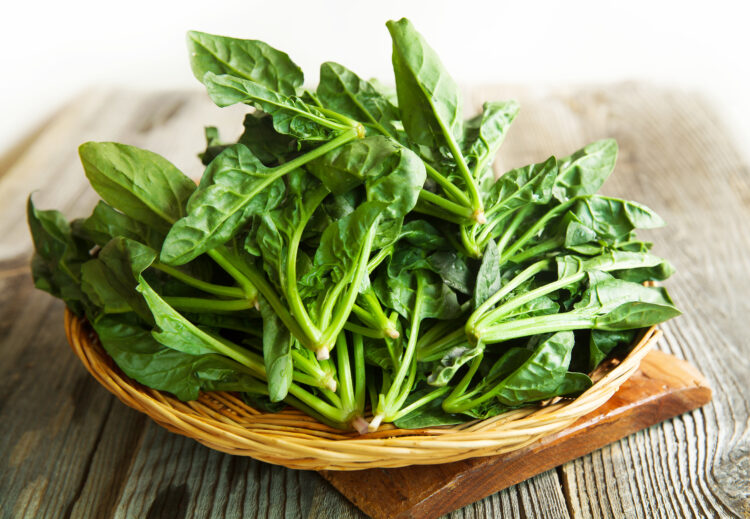
Spinach is a nutritional powerhouse, loaded with folate, Vitamin K, and antioxidants that help prevent anemia. However, it also contains high levels of oxalic acid, which poses a risk for nephrolithiasis (kidney stones). Oxalic acid can bind with calcium to form calcium-oxalate stones. Fortunately, the oxalic acid content decreases when spinach is blanched. Those with a history of kidney stones should always blanch spinach before cooking.
Broccoli and Cauliflower: Diet Staples That May Cause Bloating
Broccoli is prized for sulforaphane, a well-known anti-cancer compound. Despite its benefits, it is notorious for causing abdominal bloating in some people. While lightly blanching broccoli can aid digestion, those prone to excessive gas should remain cautious.
Cauliflower has become a staple in modern weight-loss plans because it is low in calories yet high in satiety. However, like other cruciferous vegetables, it can cause intestinal discomfort. It is recommended to consume it in small portions rather than in large quantities at once.
Onion and Garlic: Immunity Boosters That Can Irritate the Stomach
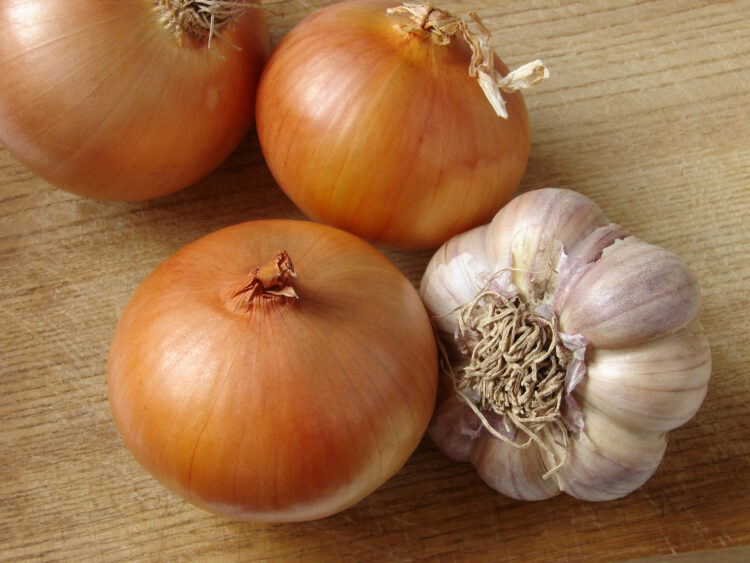
Onions and garlic are celebrated for their antibacterial properties and their ability to strengthen the immune system. In particular, the allicin found in garlic is a powerful antimicrobial agent. However, for those with a weak or sensitive stomach, these vegetables can trigger abdominal pain and diarrhea. It is highly recommended that such individuals cook them thoroughly before consumption to reduce irritation.
Beets: Blood Pressure Support with a Caution for Stones
Beets have gained significant attention as a superfood for cardiovascular health. The nitrates in beets convert to nitric oxide in the body, which helps dilate blood vessels and manage blood pressure. However, like spinach, beets are high in oxalic acid. Those at risk for kidney stones should avoid daily juicing and instead consume moderate amounts of cooked beets.