최가온(17) 선수가 제25회 밀라노 코르티나 동계올림픽 ‘스노보드 여자 하프파이프’ 종목에서 금메달을 땄다. 한국 설상 종목 사상 첫 금메달이다. 대한민국 국민 등 많은 지구촌 관중이 환호했다.
동계 올림픽 종목의 선수들은 중력과 물리학의 법칙을 거스르며 눈과 얼음 위를 초고속으로 질주하는 짜릿함을 선사한다. 이들은 선수 생명을 걸고 위험한 경기도 마다하지 않는다. 이번 동계올림픽에서도 미국 알파인 스키의 전설 린지 본이 경기 시작 직후 다리 골절 부상을 당하며 동계 스포츠의 가혹한 현실을 일깨워줬다.
영국 애스턴대 애덤 테일러 교수는 최근 호주 비영리매체 ‘더 컨버세이션’에 쓴 칼럼에서 동계올림픽의 종목별 부상 위험성과 그 양상을 분석했다. 이 칼럼에 의하면 역대 동계 올림픽 중 4명의 선수가 목숨을 잃었다. 2010년 밴쿠버 대회에서는 조지아의 루지 선수 노다르 쿠마리타슈빌리가 훈련 중 사망했다.
스키·스노보드, 무릎과 손목 위협하는 가혹한 종목
동계올림픽은 크게 설상(Snow), 썰매(Sliding), 빙상(Ice) 등 종목으로 나뉜다. 동계 올림픽의 핵심인 설상 종목에는 스키·스노보드·바이애슬론 등이, 썰매 종목에는 봅슬레이·스켈레톤·루지 등이 포함된다.
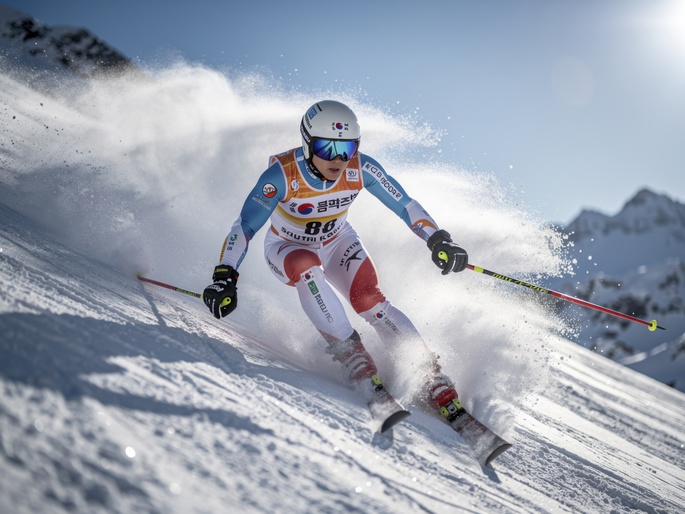
설상 종목 중 가장 위험한 것은 알파인 스키와 스노보드다. 알파인 스키 선수가 한 시즌 동안 부상을 입을 확률은 75%나 된다. 회전이나 점프 후 착지할 때 무릎에 가해지는 하중은 몸무게의 최대 3배까지 치솟는다. 이 과정에서 남성 선수는 내측측부인대(MCL)가 손상될 위험이, 여성 선수는 전방십자인대(ACL)가 파열될 위험이 높다. 통계적으로 여성 스키 선수는 남성보다 전방십자인대 부상 위험이 3배나 높으며, 매 시즌 100명당 8명이 심각한 파열을 겪는다.
넘어질 때 스키 폴을 쥐고 있다가 발생하는 ‘스키어 엄지(Skier’s thumb)’도 흔한 부상이다. 이는 엄지손가락 인대가 손상되는 것이다. 2022년 이탈리아의 소피아 고지아는 손가락 골절 수술을 받았지만, 그 다음 날 슬로프에 복귀하는 투혼을 보이기도 했다.
스노보드도 척추와 머리에 부상을 입을 위험이 높다. 특히 기술이 점차 익스트림해짐에 따라 스노보드 선수들의 부상 빈도는 더욱 높아지는 추세를 보인다.
‘썰매 머리’ 와 동상…얼음 위 사투의 무서운 흔적들
봅슬레이·루지·스켈레톤 등 썰매 종목 선수들은 이른바 ‘썰매 머리(Sled head)’ 증상에 시달린다. 트랙을 내려오며 발생하는 미세한 진동과 충격이 머리에 쌓여 두통, 현기증, 뇌 안개(브레인 포그) 현상을 일으킨다. 올림픽 수준의 선수 중 약 13~15%가 뇌진탕을 겪는다. 또한 출발 때 에너지를 한꺼번에 쏟아야 하는 특성상 햄스트링과 대퇴사두근 등 근육 파열도 잦다.
상대적으로 안전해 보이는 크로스컨트리 스키 선수는 정강이 통증과 피로골절 등 ‘과사용 부상’에 주로 시달린다. 특히 2022년 베이징 대회에서 핀란드의 레미 린드홀름이 겪었듯, 극저온의 환경에서 민감한 신체 부위에 동상을 입는 특수한 위험도 도사리고 있다. 가장 안전한 축에 속한다는 컬링 선수도 무릎을 깊게 굽히는 자세로 무릎을 다칠 수 있다. 빗질(스위핑) 과정에서 척추와 어깨 통증을 호소하는 경우가 많다.
[자주 묻는 질문]
Q1. 동계 올림픽 종목 중 부상 위험이 가장 높은 종목은 무엇인가요?
A1. 알파인 스키와 스노보드가 가장 위험합니다. 특히 알파인 스키 선수는 한 시즌에 부상을 당할 확률이 75%나 되며, 무릎과 상체 부상이 흔합니다.
Q2. 썰매 종목의 ‘썰매 머리(Sled head)’란 무엇인가?
A2. 봅슬레이, 루지 선수가 얼음 트랙을 빠른 속도로 내려올 때 머리에 가해지는 반복적인 미세 충격으로 발생하는 증상입니다. 두통·현기증·기억력이 떨어지는 뇌 안개(브레인 포그) 현상 등을 포함하며, 일종의 반복적인 뇌진탕 증세로 볼 수 있습니다.
Q3. 스키 선수들에게 흔한 ‘스키어 엄지’ 부상은 왜 발생하나요?
A3. 스키어가 넘어질 때 손에 쥔 스키 폴이 땅 표면에 걸리면서 엄지손가락이 뒤로 꺾여 인대를 다치는 것입니다. 손가락 기능에 지장을 주지만 많은 선수가 테이핑이나 수술을 한 뒤 경기에 복귀하기도 합니다.