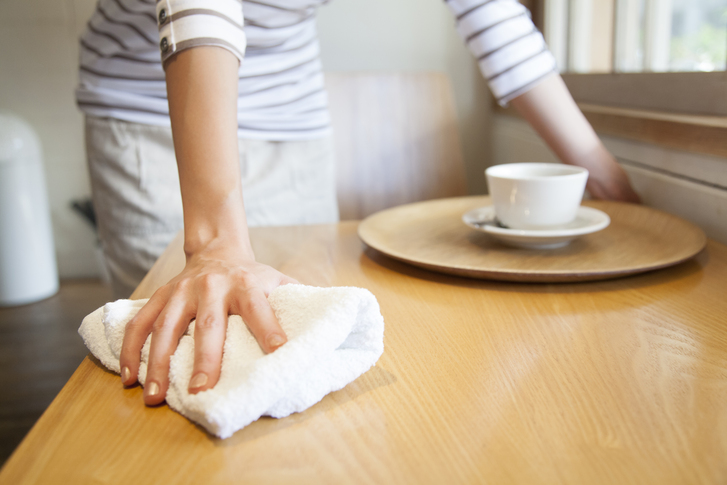
The humble dishcloth is an indispensable tool for maintaining kitchen hygiene. However, because these cloths are constantly exposed to food particles and moisture, they can quickly become a breeding ground for bacteria if not managed properly. When left damp, a dishcloth can develop persistent odors and stains, signaling that it is no longer safe for use. To keep your kitchen truly clean, it is essential to adopt a simple and consistent disinfection routine.
Is Boiling in 100-Degree Water the Ultimate Fix?
Many home cooks are familiar with the traditional method of boiling dishcloths in a pot—a technique long proven to be effective for sterilization. Research highlights that washing a dishcloth with detergent alone is often insufficient, as bacteria can persist and multiply up to 10,000 times if the cloth remains damp.
A joint study by Inha University and Yuhan-Kimberly analyzed both common cotton dishcloths and sterile non-woven alternatives. The findings were conclusive: when dishcloths were boiled in 100°C water for just five minutes, no bacteria were detected. While effective, this method can be cumbersome for those multitasking in a busy household, as boiling pots require constant supervision to prevent overflowing.
Microwave Heating: 99% Bacterial Elimination in Two Minutes
For a more convenient alternative, the microwave offers a high-speed solution. As the microwave operates, hot steam penetrates deep into the fibers, breaking down contaminants. This method is particularly effective when combined with baking soda—an alkaline agent that neutralizes odors—and standard dish soap, which strips grease from the fibers.
According to researchers at the University of Florida, heating contaminated sponges and dishcloths in a microwave can eliminate more than 99% of bacteria in just two minutes. Notably, E. coli was found to be neutralized in as little as 30 seconds.
The Plastic Bag Method: Step-by-Step
To use the microwave method safely and effectively, follow these steps:
Prep the Cloth: Thoroughly wash the dishcloth with detergent and leave it damp.
Combine Ingredients: Place the cloth inside a plastic bag. Add two tablespoons of baking soda and a small amount of dishwashing liquid.
Knead: Gently massage the bag to ensure the cleaning agents penetrate the fibers evenly.
Vent and Heat: Tie the opening of the bag loosely—never seal it completely, as the expanding steam could cause the plastic to burst. Microwave on high for two minutes.
Rinse and Dry: Wait 30 seconds before carefully opening the bag (use gloves to avoid steam burns). Rinse the cloth thoroughly under running water and hang it to dry completely.
The Hidden Risks of Using Wet Wipes
Many households have swapped traditional dishcloths for disposable wet wipes to avoid the hassle of maintenance. However, this habit may carry long-term health risks. Wiping dining surfaces with wet wipes can leave behind surfactants and artificial fragrances that may eventually be ingested.
Over years of repeated exposure, these residual preservatives and cleaning agents act as environmental hormones, which have been linked to endocrine disruption. Developing a habit of regularly sanitizing and replacing traditional dishcloths remains the safest and most health-conscious choice for the home.