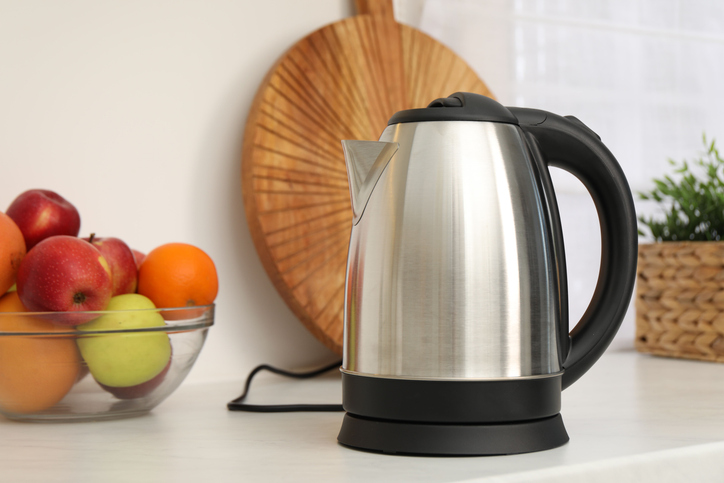
The electric kettle is an essential kitchen staple, offering the convenience of boiling water for tea, coffee, or instant meals with the press of a button. Despite its frequent use, many owners eventually notice a cloudy, white stain forming on the interior base. While it may look like simple water spots, these marks are a signal that your appliance requires maintenance.
Understanding the Culprit: Limescale
The stubborn buildup inside your kettle is actually limescale. This substance consists of calcium carbonate and magnesium carbonate, which form as minerals naturally present in water are heated and evaporated at high temperatures.
The rate of accumulation depends largely on the hardness of your local water supply. Research indicates that in areas with high water hardness (exceeding 200 mg/L), noticeable limescale can develop in as little as two weeks. Conversely, those using purified or softened water may not see significant buildup for four to six weeks.
Why You Should Not Ignore Water Stains
If you notice chalky marks, it is time to clean. Allowing limescale to persist can lead to several issues:
Altered Taste: The presence of minerals can result in a dull or "off" flavor in your water.
Hygiene Concerns: If left untreated, thick layers of limescale can create a porous environment conducive to the growth of bacteria and mold.
Reduced Efficiency: Limescale acts as an insulator, interfering with heat transfer and increasing the time it takes for water to boil. This inefficiency can lead to higher electricity bills and a shorter lifespan for the device.
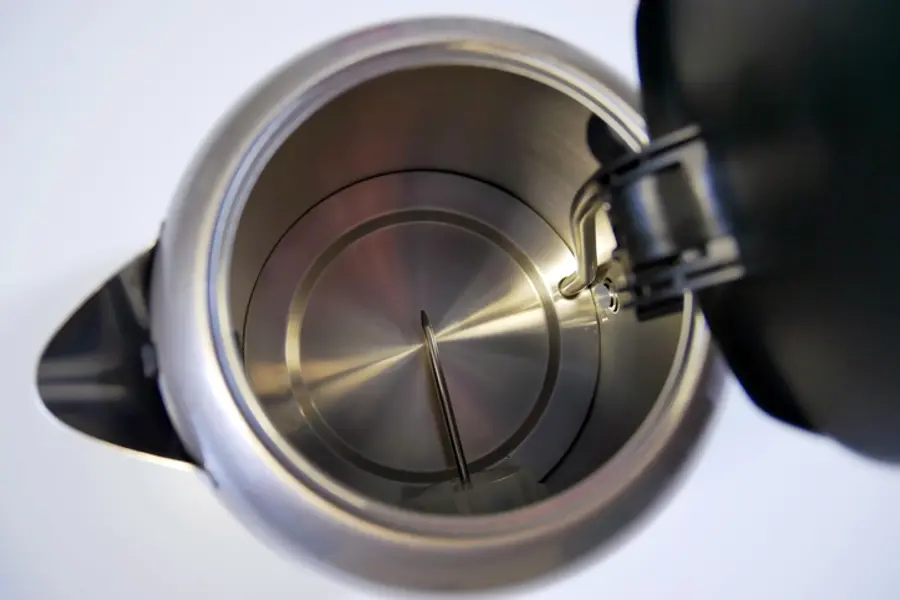
Limescale marks that resemble water stains are a clear sign it's time to clean your kettle. Photo: Getty Images Bank
The Solution: Boiling with Vinegar or Citric Acid
Removing limescale is a straightforward process involving common household items. To begin, fill the kettle with water just below the "MAX" line. Add one to two tablespoons of either white vinegar or citric acid. The acetic acid in vinegar effectively breaks down the minerals and provides a sterilizing effect, while the high acidity of citric acid is particularly efficient at dissolving alkaline calcium.
Bring the mixture to a vigorous boil, then turn off the power and let it sit for 20 to 30 minutes. This "soaking" period allows the solution to fully penetrate and loosen the scale. Afterward, pour the water down the kitchen drain; the acidic solution will help neutralize sink odors and break down grease in the pipes. Finally, rinse the kettle one to three times to remove any lingering scent. For particularly stubborn spots, a gentle scrub with a sponge brush may be necessary after the soak.
Maintenance Habits for a Cleaner Kettle
To prolong the life of your appliance, consider your daily habits. Many users close the lid immediately after use to keep out dust, but trapping moisture inside actually accelerates limescale formation. Developing the habit of leaving the lid open to air-dry the interior will significantly slow mineral accumulation.
For optimal hygiene and efficiency, aim to deep-clean your kettle at least once or twice a month. Regular maintenance ensures a fresh taste and keeps your kitchen plumbing clear.