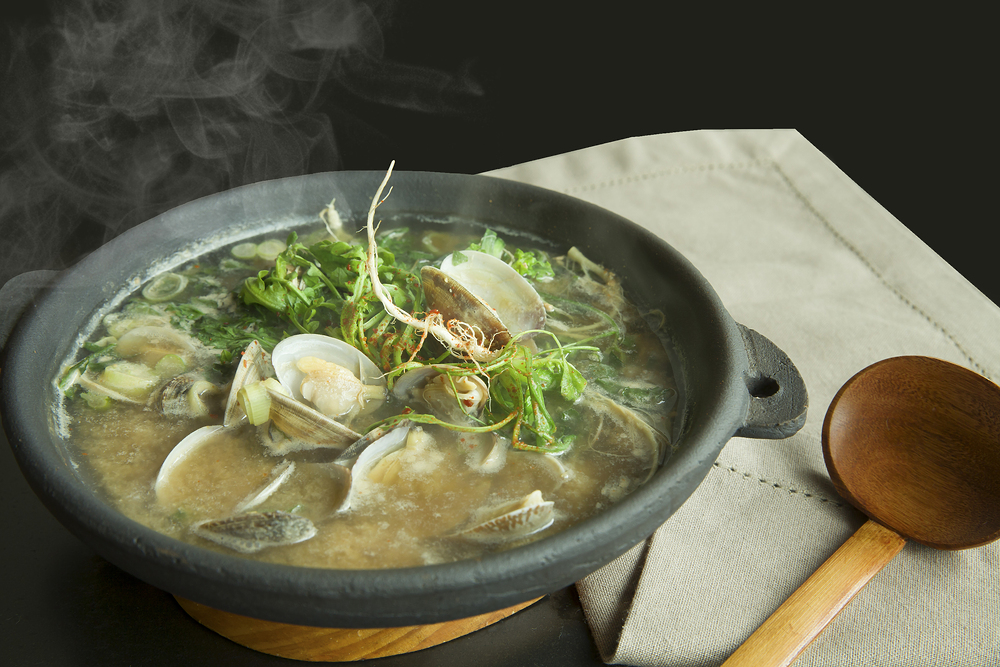
Shepherd’s purse is one of Korea’s most iconic wild spring vegetables. Resilient to the cold and abundant across the peninsula, it is prized for its distinctively bitter flavor and deep aroma. Historically, this plant has transcended its role as a culinary ingredient, serving as a traditional medicinal herb due to its dense nutritional profile. Whether simmered in miso soup, blanched as a seasoned side dish (namul), or incorporated into kimchi and porridges, shepherd’s purse offers a versatile way to enhance a nutritious diet.
Enhancing Immunity and Metabolic Function
Unlike many other wild vegetables, shepherd’s purse boasts a high protein content (approximately 8%) and is a potent alkaline food rich in calcium and iron. According to data from the National Institute of Agricultural Sciences, it is exceptionally high in zinc—a mineral that acts as a cofactor for over 200 different enzymes in the human body.
Zinc is critical for the metabolic processing of essential nutrients and is indispensable for tissues with rapid cell turnover, particularly the immune system. Furthermore, it plays a vital role in DNA and RNA synthesis, carbohydrate and protein metabolism, and the overall growth and maintenance of internal organs.
Systemic Health: Waste Elimination and Nerve Stability
The manganese found in shepherd’s purse is an essential nutrient for skeletal formation and the metabolism of amino acids and cholesterol. It acts as a cellular shield against harmful substances and contributes to blood coagulation and the production of thyroid hormones. The plant also contains Vitamin B12, which supports cell regeneration, enhances cognitive functions like concentration and memory, and aids in nerve stabilization.
The vegetable’s amino acid profile—including arginine, proline, and methionine—further supports health, with proline specifically noted for its calming effect on the nervous system. Additionally, the high potassium content effectively facilitates the excretion of excess sodium, helping to regulate blood pressure.
The Synergy of Miso and Proper Storage
When prepared as shepherd’s purse miso soup, the combination of the vegetable’s nutrients and the fermented protein of the miso creates a synergistic effect that helps maintain muscle mass and immunity. When shopping for shepherd’s purse, consumers should look for dark green leaves, small stems, and a strong fragrance, while avoiding thick, woody roots. To maintain freshness, it should be wrapped in plastic to retain moisture and refrigerated for no more than two to three days. Any surplus should be lightly blanched before storage.
Safety Measures: Monitoring Pesticide Residues
Proper preparation is essential; the plant should be thoroughly trimmed of yellow leaves and washed several times under running water to remove soil. To ensure public safety, the Ministry of Food and Drug Safety announced on the 5th that it would conduct a concentrated inspection of spring agricultural products, including shepherd’s purse and wild chives, through the 20th. This safety sweep targets 340 products across wholesale markets and online platforms. Any produce found to exceed allowable pesticide residue standards will be promptly withdrawn from the market and disposed of to protect consumers.