For those managing diabetes or pre-diabetes, carbohydrates like rice, noodles, and bread are often viewed with caution. Refined grains, particularly white rice and white flour, are notorious for causing rapid spikes in blood glucose. However, emerging research suggests that it isn't just what you eat, but how you prepare and sequence your meal that determines your metabolic response.
One method gaining traction in nutritional science is the practice of refrigerating and then reheating cooked rice. According to studies published in international journals such as Nutrition & Diabetes, this process significantly increases the presence of "resistant starch."
The Role of Resistant Starch in the Colon
Unlike regular starch, which is quickly broken down into glucose in the small intestine and absorbed into the bloodstream, resistant starch lives up to its name. It resists digestion in the small intestine and travels to the colon. There, it acts more like dietary fiber, being fermented by gut microbes rather than spiking blood sugar.
When regular starch is converted to glucose too rapidly, and that glucose enters the bloodstream faster than muscles can utilize it, the result is a "glucose spike." By increasing the resistant starch content through cooling, diners may be able to dampen this effect.
Individual Variability and the Importance of Portion Control
While the science of resistant starch is compelling, researchers warn that individual results vary significantly. For some, the change in blood sugar response is negligible. It is also critical to remember that "resistant" does not mean "calorie-free" or "carb-free." Reheated rice remains a carbohydrate; consuming it in excessive quantities will still lead to elevated blood sugar.
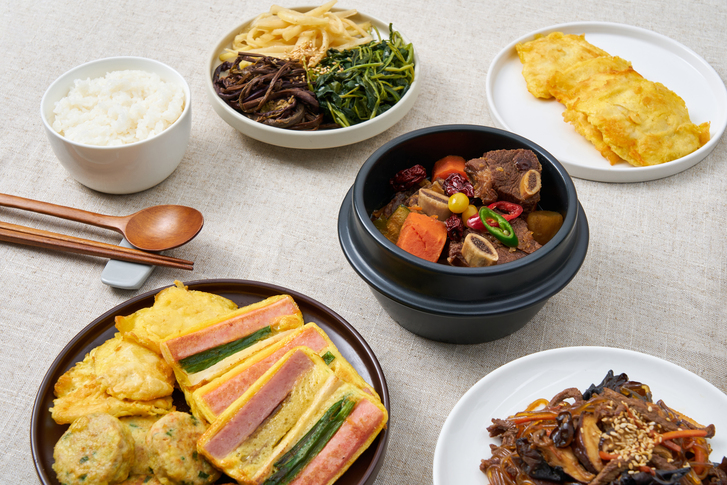
The overall impact of the meal also depends heavily on the "matrix" of food consumed alongside the rice—specifically the presence of fiber from vegetables and protein from sources like eggs, fish, meat, or tofu.
Cooking Methods: The Danger of Porridge and Purees
The physical state of a carbohydrate can be just as impactful as its temperature. Preparing rice as a soft porridge or consuming it mixed with water allows the food to move through the stomach and intestines much faster. In a fasting state, this leads to near-immediate absorption and a sharp rise in glucose.
Similarly, while whole fruits like apples (eaten with the skin) provide fiber that slows sugar absorption, processing them into juices or smoothies destroys that fiber matrix. This allows the fruit sugars to hit the bloodstream almost instantly, making liquid carbohydrates a poor choice for glucose management.
Sequencing: The "Protective Barrier" of Fiber and Protein
A practical strategy for those who eat out frequently is to focus on meal sequencing. Consuming vegetable and protein side dishes before the rice can create a physical and chemical barrier in the digestive tract. Because fiber and protein digest slowly, they effectively "wrap" the subsequently consumed carbohydrates, slowing their breakdown and absorption.
While this habit is beneficial, office workers should remain mindful of sodium; many restaurant side dishes are heavily seasoned. If a large portion of rice is consumed, increasing physical activity immediately after the meal remains one of the most effective ways to manage the resulting blood sugar rise.