Research results have shown that maintaining an oat-based diet for a short period can significantly lower bad cholesterol (LDL cholesterol) levels.
The research team from Bonn University reported that after conducting an intensive oat diet for two days on patients with metabolic syndrome, there was a significant reduction in blood cholesterol and body weight. The participants were instructed to consume 300g of oatmeal boiled in water three times a day for two days, while maintaining a low-calorie diet that was about half of their usual caloric intake.
As a result, harmful cholesterol (LDL cholesterol) levels decreased by about 10%, and an average weight loss of 2kg along with significant blood pressure reduction was observed. These positive changes tended to persist even six weeks after the experimental diet ended.
The research team analyzed that oat consumption helps the growth of beneficial gut bacteria and positively affects cholesterol metabolism. They also added that practicing a short-term oat diet at regular intervals could be an effective method for diabetes prevention and cholesterol management.
This research result (Microbial-produced phenolic metabolites contribute to the cholesterol-lowering effect of oats in metabolic syndrome: a randomized controlled trial) was recently published in the international academic journal 《Nature Communications》.
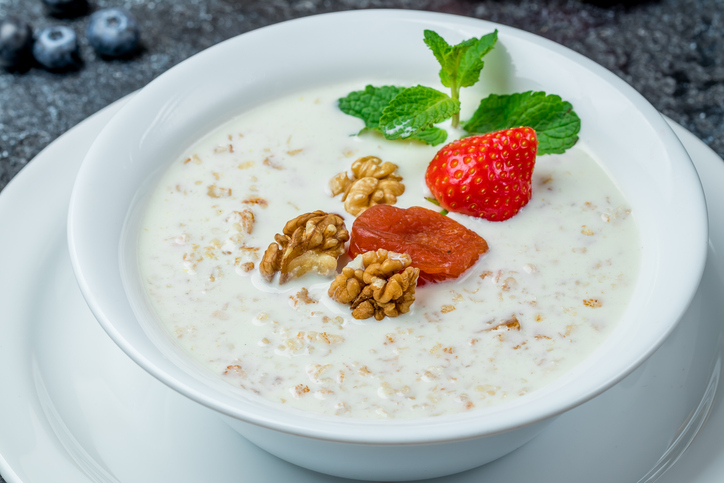
Interest in oats is also increasing in Korea. Oats and oatmeal are essentially like the relationship between 'rice and grains'. Oats refer to the whole grain before processing and are mainly consumed in mixed grain form. In contrast, oatmeal refers to the processed product made by roasting oats and then crushing or flattening them for easy cooking. In the West, oatmeal refers not only to the processed product but also to the porridge made by boiling it in milk or water.
However, oats are not a panacea for everyone. Due to their high fiber content, people with weak digestion may experience abdominal bloating, gas, or diarrhea if they suddenly consume a large amount. It is advisable to start with a small amount and gradually increase it. Oats contain purine, so patients with gout or kidney disease should be cautious. Uric acid produced during purine metabolism can worsen gout symptoms, and the potassium and phosphorus content in oats can burden kidney disease patients.
The popularity of oats is aligned with the slow aging trend that is spreading among the MZ generation. The habit of eating rice mixed with oats instead of white rice or choosing oatmeal as a breakfast substitute is becoming established among the younger population. The domestic oatmeal market is estimated to be worth about 93 billion won (as of 2024) and is expected to grow at an average annual rate of 4.4%.
[Frequently Asked Questions]
Q1. Should gout patients completely avoid oats?
A1. Oats contain moderate purines. It is advisable to avoid consumption during acute phases when symptoms are severe, and during stable phases, small amounts should be consumed while monitoring reactions. It is best to consult a specialist to determine the appropriate intake amount.
Q2. Why do I need to drink a lot of water during the oat diet?
A2. The soluble dietary fiber in oats absorbs water in the body and transforms into a gel-like form, carrying waste out. If there is a lack of moisture at this time, the dietary fiber can harden in the intestines, leading to constipation, so it is essential to consume enough fluids.
Q3. Like the analogy of 'rice and grains', should oatmeal be washed like rice before cooking?
A3. Oatmeal has already undergone washing and processing (steaming or roasting), so there is no need to wash it like rice. You can cook it directly by adding it to hot water or milk. However, whole oats sold in grain form should be washed with rice before cooking.