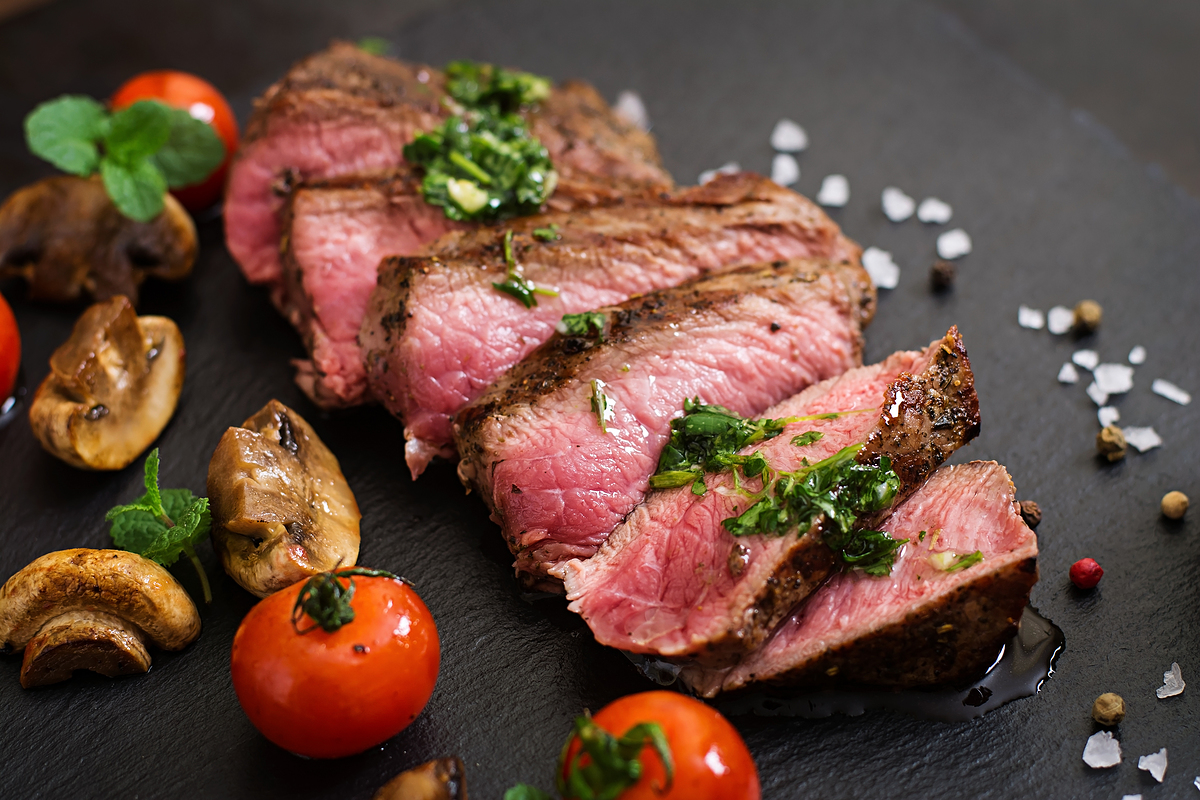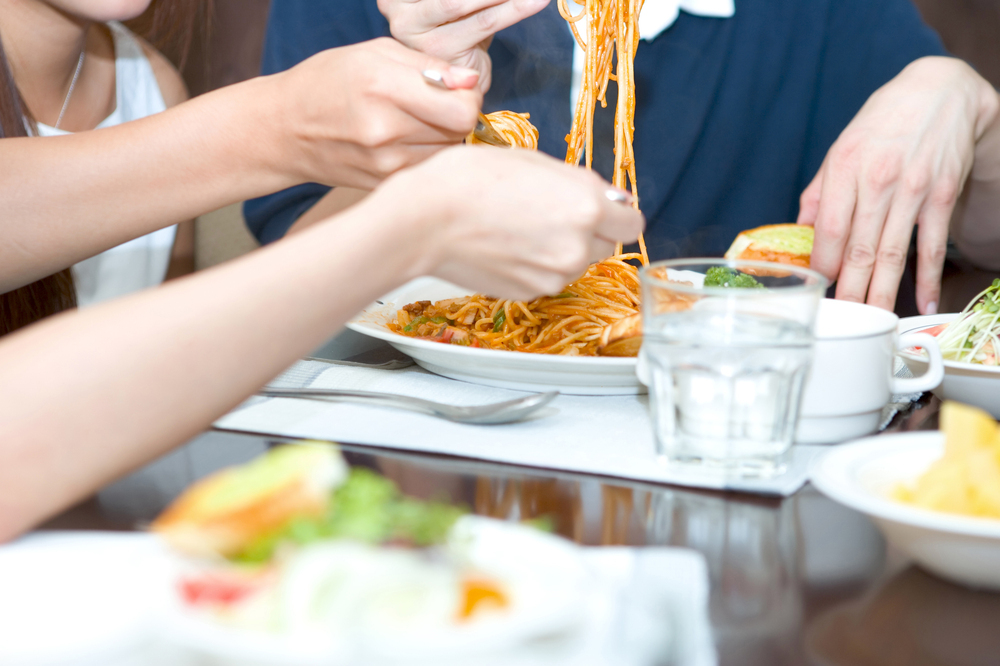
Older adults tend to eat less. It is an unavoidable choice. As you age, digestive juices decrease, and eating too much can make you feel uncomfortable. When the body feels uncomfortable, you have no choice but to eat less. Some say that eating less is the secret to longevity, which is about half true. Should we start practicing eating less from middle age? There is a claim that it has the dual effect of losing weight and maintaining health. You should reduce your meal portions compared to when you were younger, but there are points to be cautious about.
Aging of the esophagus, stomach, and intestines... If you eat too much, you feel uncomfortable and have no choice but to reduce your meal size
As you age, not only does your skin age, but the organs inside your body also undergo aging. The aging of the digestive system, including the esophagus, stomach, and intestines, accelerates. The secretion of digestive juices (gastric juice), which helps digestion, and pancreatic juice, which mainly breaks down fats, decreases. Naturally, your digestive power declines compared to when you were younger. If you cannot suppress your appetite and overeat, you may suffer all day. Feeling bloated can lower your condition. Greasy foods take longer to digest and can cause gas. After experiencing these symptoms a few times, you tend to eat less. Some people further reduce their meal size in old age.
Even if you reduce rice and noodles... make sure not to lack protein like eggs, tofu, and fish
Compared to when you were younger, you should reduce carbohydrates like rice, noodles, and bread, but you must supplement protein foods (eggs, tofu, fish, meat, etc.). If your body lacks protein, you lose precious muscle, and aging accelerates. As you reach middle age, muscle naturally decreases. The synthesis of new muscle is not as it used to be. Hormones that help muscle generation, such as testosterone and growth hormone, decrease, while stress hormones and inflammatory substances increase. If you significantly reduce your meal size, your body will break down muscle first to use protein as energy, leaving fat intact. It is a double whammy at an age when muscle naturally decreases.
If blood sugar spikes frequently... belly fat appears and blood vessels worsen
As you age, you should especially reduce processed foods high in saturated fats and trans fats, in addition to carbohydrates. These foods significantly raise blood sugar levels and increase triglycerides, total cholesterol, and harmful LDL cholesterol in the blood, worsening blood vessels. It is advisable to keep the intake of saturated fats from fatty meats, fried foods, and instant noodles below 7% of total calories, and trans fats found in snacks below 1% of total calories. You should also reduce salty foods and limit sugar intake. This is the cause of blood sugar spikes and the emergence of belly fat in the era of 'diabetes crisis.'
Increase chewing time... helps with blood sugar control and weight loss
Meal time should exceed at least 20 minutes. Slow digestion is good for blood sugar control. It takes about 20 minutes for the feeling of fullness to be transmitted to the brain, so it is better to chew longer. For office workers, it is often difficult to practice, but when eating at home, it should be strictly followed. Eating mixed grain rice takes longer than white rice because you have to chew the husk. Digestion slows down, and blood sugar rises slowly. If you eat enough vegetables and protein side dishes, you can prevent blood sugar spikes. Even if you reduce carbohydrates, you should eat about 50% of your meal. This way, you can maintain your energy and prevent aftereffects.