A humidifier is an essential appliance during winter. In winter, as water vapor freezes, the humidity in the air drops sharply, leading to dryness. A dry environment can worsen skin and respiratory diseases, but if a humidifier is not used correctly, bacteria and mold can breed, which can be harmful to health.
A humidifier that improves sleep quality and protects skin health
Let’s first look at why a humidifier is needed in winter. First, it helps keep the skin moist and prevents wrinkles. In dry air, the skin can easily become dry. If left unattended, the skin can become dehydrated, leading to troubles. The skin can wrinkle, accelerating aging. At this time, maintaining the humidity in the air at 50-70% with a humidifier can help keep the skin healthy.
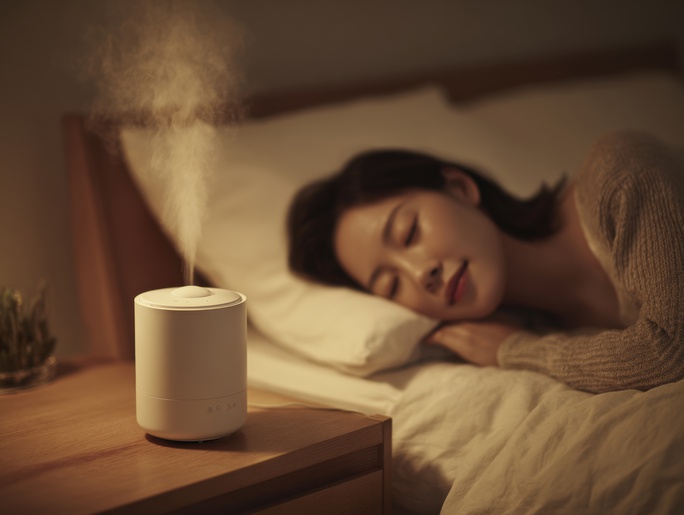
A humidifier helps prevent respiratory diseases such as colds and coughs and allows for quality sleep. Sleeping in a dry environment can easily dry out the throat, making breathing difficult. This naturally lowers the quality of sleep, leading to fatigue the next day.
If you delay changing the water because it's a hassle, bacteria can easily breed
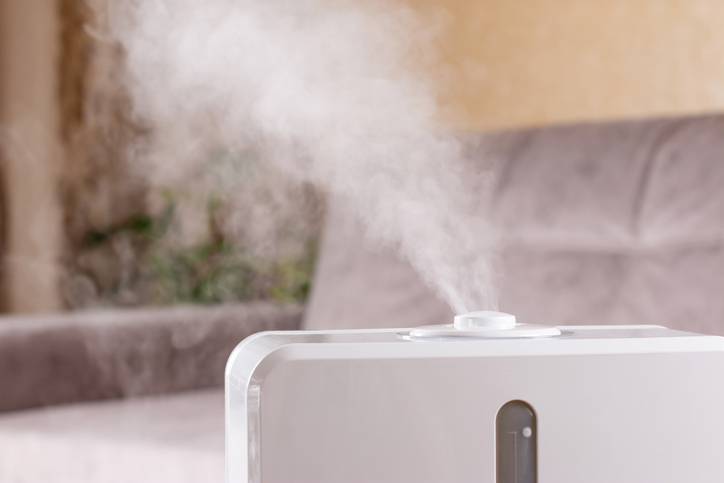
Many households use humidifiers in winter. However, if you do not change the humidifier water daily because it is a hassle, it creates a favorable environment for bacteria to grow. According to an experiment by the Korea Consumer Agency, changing the water in the humidifier daily reduced microorganisms by 87.3%. When cleaning was also done every other day, the reduction rate of microorganisms was found to be 99.8%.
To prevent the breeding of bacteria and mold, the water in the humidifier must be changed daily. Cleaning can be done by dissolving baking soda or salt in water and thoroughly rinsing the water tank and spray nozzle. After cleaning, it is necessary to dry it completely in direct sunlight.
Water from a purifier vs. tap water in a humidifier, what’s the difference?
What kind of water should be used in a clean humidifier? Sometimes people use clean bottled water or water from a purifier. This is risky as it lacks disinfecting components, making it easier for bacteria to breed. Tap water contains chlorine, which inhibits the growth of bacteria.
In the past, on KBS’s ‘Crisis Escape Number One - The Secret of Humidifiers’, two identical humidifiers were filled with tap water and water from a purifier for three days, and bacteria were measured. As a result, fungi that cause skin diseases were detected in the humidifier with water from the purifier. In contrast, only a negligible amount of harmless bacteria was detected in the humidifier with tap water.
It is also important to maintain an appropriate distance from the body when using a humidifier. It is best to place the humidifier more than 2 meters away from the nose. If the steam from the humidifier directly touches the nose or throat, it can cause bronchitis. Additionally, it is advisable to ventilate the room frequently while using the humidifier and not to use it for more than three hours at a time. If moisture lingers in a closed space for too long, mold and bacteria can thrive.