
Former Apink member and actress Son Na-eun appeared to be even thinner.
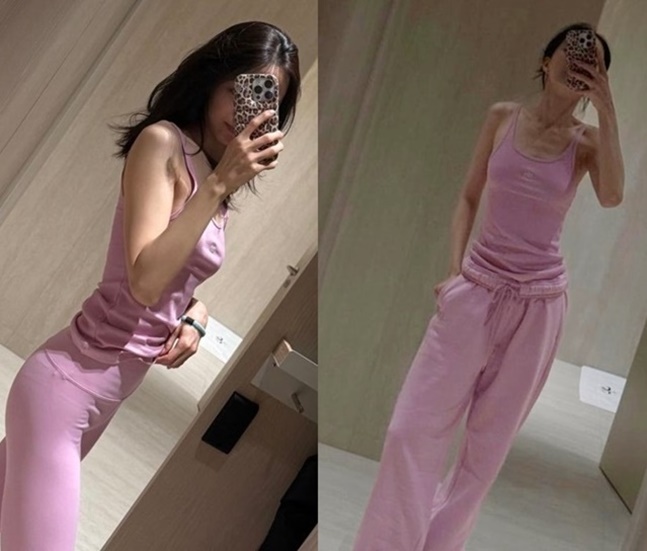
On the 21st, Son Na-eun posted two mirror selfies on her social media (SNS) without any particular comment. In the photos, Son Na-eun is seen in a pink sleeveless top and training pants, checking her front and side profile lines.
Son Na-eun, known for her slender (thin body type) figure in the entertainment industry, looked close to 'skin and bones' on that day. Especially in the front photo, her protruding shoulder blades, sharply defined collarbone, and even her ribs below are clearly visible. Standing at 168cm tall and recently weighing 46kg, Son Na-eun's slimness has raised concerns among fans as she appears too thin.
However, Son Na-eun, often referred to as the 'Leggings Goddess', maintained her apple hips and graceful S-line even while being this thin, showcasing her dedication to fitness. She has been working on her muscles and lines through ballet, yoga, pilates, gyrotonic, step mill (heavenly stairs), and squats.
Just exercising isn't enough to stay thin. Known for having a body that seems like she hasn't eaten tteokbokki even once, Son Na-eun strictly follows a low-sodium diet and enjoys eating tomatoes and natto to manage bloating. Let's take a look at Son Na-eun's diet.

Low-Sodium Diet
Son Na-eun avoids spicy and salty foods and has been following a low-sodium diet. Eating a lot of spicy and salty foods can lead to bloating and digestive issues. This is why a low-sodium diet is recommended for weight loss. Reducing salt intake can help curb cravings for stimulating foods and control appetite.
By reducing salt, the body can lose about 1-2kg quickly (bloating reduction), but this does not mean fat loss. When meals were controlled to the same calorie intake (about 1500kcal), the low-sodium group lost about 1kg more, but the main difference was attributed to changes in water content. Ultimately, fat loss is influenced by total caloric intake, diet composition, and exercise, and a low-sodium diet should be viewed as one of the supportive strategies.
A low-sodium diet not only helps reduce bloating but is also good for health. Excessive sodium intake is associated with increased blood pressure and cardiovascular disease risk, making sodium control important for those at risk of hypertension, metabolic syndrome, and obesity. A short-term low-sodium diet can help lower bloating and blood pressure, reducing cardiovascular strain, which is beneficial for protecting blood vessels and the heart during weight loss. The World Health Organization (WHO) recommends that adults consume less than 2000mg of sodium per day, equivalent to about 5g of salt. South Koreans consume an average of over 3200mg, which is about 1.6 times the WHO recommended amount, so reducing intake is advisable.
However, excessive low-sodium diets should also be approached with caution. Maintaining an overly low-sodium or salt-free diet for too long can lead to electrolyte imbalances, fatigue, increased appetite, and compensatory eating, potentially causing obesity. It is advisable to gradually lower sodium intake to recommended levels without going completely salt-free. Start by reducing broth, salted fish, instant noodles, and fast food, and aim to reduce seasoning by 20-30% in home-cooked meals. Additionally, increasing the intake of potassium-rich foods such as vegetables, fruits, legumes, potatoes, and sweet potatoes is beneficial. The balance between sodium and potassium is crucial for blood pressure regulation and fluid excretion. Potassium promotes sodium excretion in the kidneys and relaxes blood vessels, enhancing the effects of a low-sodium diet, especially for those like South Koreans who consume excessive sodium.
Benefits of Tomato and Natto for Weight Loss
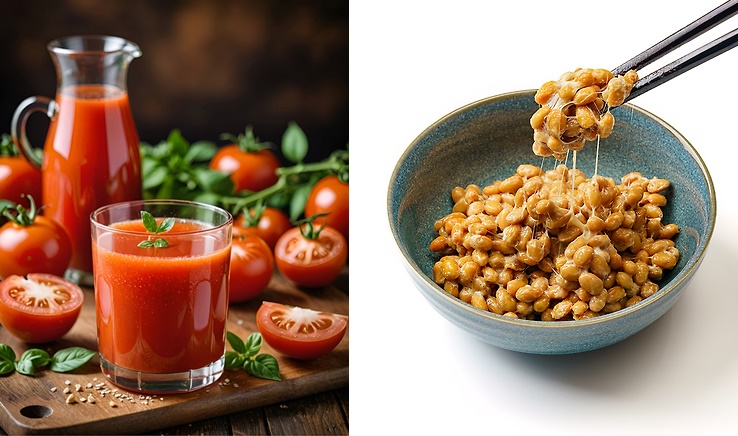
Son Na-eun stated, "When I feel hungry, I blend tomatoes and drink them," explaining that she alleviates her hunger with tomato juice and natto.
Tomatoes and natto are low-calorie, high-nutrition foods that help maintain satiety and boost metabolism during weight loss. Tomatoes are rich in water and dietary fiber, helping to reduce bloating, while natto provides protein and nattokinase, which aids in fat breakdown and gut health.
One tomato (200g) contains about 35kcal, making it suitable as a meal substitute, and its 95% water content keeps you feeling full for a long time. The lycopene component has antioxidant properties that reduce inflammation and reactive oxygen species, aiding in recovery from fatigue after exercise and weight loss, while potassium helps with sodium excretion, creating a synergistic effect with a low-sodium diet. Dietary fiber promotes digestion and prevents constipation, and when heated, the absorption rate of the antioxidant component lycopene increases by 2 times, making blanched tomato juice a useful diet food.
One pack of natto (50g) contains about 100kcal and over 8g of protein, providing high satiety and helping to prevent muscle loss during weight loss. The nattokinase enzyme improves blood circulation and promotes fat breakdown, while the proliferation of beneficial gut bacteria increases digestion and metabolism. Vitamin K2 and isoflavones contribute to maintaining bone density and hormonal balance, making them advantageous for long-term weight loss.
Starting the day with natto and tomato salad, along with tomato juice, balances protein and dietary fiber, keeping the total calorie intake around 150kcal, which is manageable. Especially during a low-sodium diet, the potassium from tomatoes and the fermentation effects of natto are optimal for managing bloating and blood pressure, and they are also beneficial for recovery after exercise.