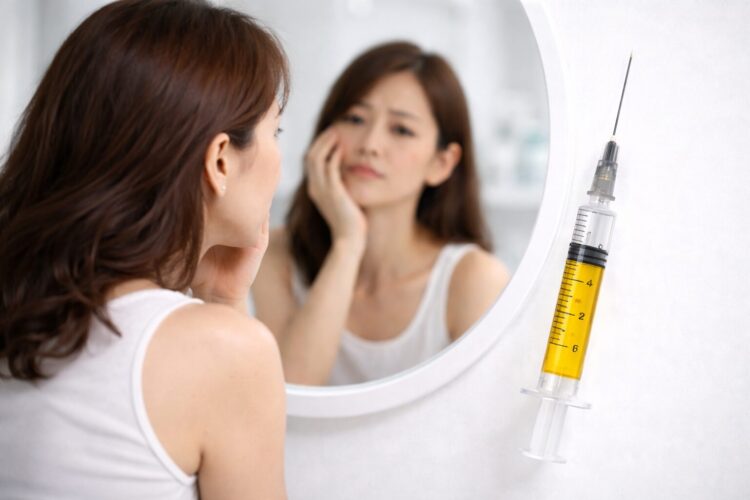
A, who has entered her mid-40s this year, has been feeling increasingly depressed when standing in front of the mirror lately. She feels like her skin is sagging and there are more fine lines. She thought, 'Celebrities seem to glow even as they age, why am I the only one getting old?'
After much contemplation, she decided to undergo a dermatological procedure. While searching diligently, one treatment kept catching her eye: the 'stem cell injection'. It turned out that this was a popular treatment not only among celebrities but also among the general public. It is said that last summer, Hollywood star Kim Kardashian even flew to Korea to get a stem cell injection.
A was momentarily lost in thought. At first, she was tempted by the advertisement claiming, 'It seems like new skin is growing', but she felt uneasy for some reason. She also recalled reading that 'to receive real stem cell treatment, one must go to Japan.'
'Then what exactly is the stem cell injection that is being promoted at the dermatology clinic?' A suddenly became curious. 'Is the stem cell injection I am about to get really a genuine stem cell treatment?' Comedy.com delves into A's curiosity.

Q. What exactly is stem cell treatment?
Stem cells are cells that have the potential to differentiate into other cells. Using this property, stem cell treatment is a therapy that revives the function of damaged tissues or areas that are difficult to recover and induces regeneration. It belongs to the field of regenerative medicine as it creates an environment where our body can recover on its own.
Stem cell treatment is being researched in various fields, including skin, cartilage, hair loss, heart, diabetes, nerves, retina, and autoimmune diseases. In Korea, after the 'Hwang Woo-suk incident' in 2005, it faced various controversies and regulations, but interest and demand for stem cell treatment remain high.
The cosmetic purpose stem cell injections performed at dermatology clinics emerged from this trend. However, it is problematic to expect dramatic effects like 'new skin growing' from this procedure. These injections often contain only a very small amount of stem cells that have no tissue regeneration effect, or they are mostly concentrated extracts of components derived from stem cells. Rather than a treatment where stem cells directly create new skin, it is closer to an auxiliary procedure that helps skin recovery. This is also true for cosmetics promoted as 'stem cell culture exosome cream'.
Q. There seem to be several types of dermatology stem cell injections, but don't they have different effects?
The commonly performed stem cell injection procedures at dermatology clinics are divided into 'blood stem cell injection' and 'fat stem cell injection'. However, it is difficult to view these procedures as treatments that directly inject stem cells to regenerate the skin, as the names suggest.
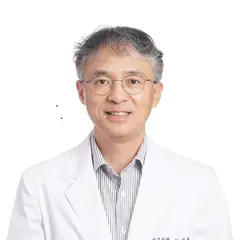
Professor Seok-jun from Chung-Ang University Hospital, who has researched stem cell treatment, explains that these procedures are closer to creating a regenerative environment for the skin to recover on its own rather than regenerating tissues with the cells themselves.
First, the blood stem cell injection involves drawing blood from the patient, spinning it in a centrifuge to separate the plasma layer (PRP), and then reinjecting it into the patient. The platelets and growth factors concentrated in the plasma layer are known to stimulate fibroblasts in the skin, promoting collagen synthesis and aiding in cell activation and inflammation control. It is more about maintaining a good environment for recovery rather than creating new damaged tissue.
PRP contains a small amount of hematopoietic stem cells, which are a type of stem cell. However, hematopoietic stem cells are different from mesenchymal stem cells (MSC) that regenerate cartilage, skin, or hair. In other words, the blood stem cell procedure has effects that are distinctly different from the stem cell treatment that people commonly expect.

The fat stem cell injection is a procedure where a small amount of fat is extracted from the patient's abdomen or thigh, and then a component called 'stromal vascular fraction (SVF)' is purified and injected back into the skin. SVF contains some supporting cells, extracellular matrix, and mesenchymal stem cells that promote regeneration. When injected back into the skin, it shows cosmetic effects of skin tissue regeneration.
However, the mesenchymal stem cells contained in SVF are not true stem cell treatments that have been cultured and proliferated in a laboratory. In the fat stem cell procedure, the fat is injected directly without undergoing a culturing process. Strictly speaking, it is a procedure that utilizes a 'fat extract concentrate' that is in a pre-functional stage as a stem cell.
Like the blood stem cell injection, the fat stem cell injection may have some effects, but the concept and level are different from the stem cell regeneration treatment that people commonly think of.
Q. Then why don't they use cultured stem cells?
In Korea, cultured stem cell treatment is fundamentally illegal. It is only allowed in a limited manner for patients with severe, intractable diseases, and can only be used after passing strict procedures such as approval from the Ministry of Food and Drug Safety and clinical trials. The United States and Europe also allow cultured stem cell treatment only in a limited manner after passing reviews by the FDA and EMA, respectively.
In contrast, Japan significantly relaxed regulations on stem cell treatment when it implemented the Regenerative Medicine Act in 2014. In general clinics, cultured stem cell procedures can be performed on mild patients after passing certain reviews. This is why tens of thousands of people travel to Japan each year for stem cell treatment. However, even in Japan, cases of medical accidents and side effects related to stem cell treatment continue to occur, and regulations at the national level are gradually being strengthened.
Q. What is the typical cost and number of treatments for dermatology stem cell injections?
In Korea, the cost of dermatology stem cell treatment varies from around 1 million won to 15 million won, depending on the extraction method, dosage, and administration method. In overseas countries like the United States and Japan, most procedures exceed 10 million won. The typical number of treatments is about 1 to 3, and hospitals generally recommend at least one treatment.
The reason for the wide variation in stem cell treatment costs in Korea is that this treatment is a non-reimbursable procedure. This also means that stem cell treatment is an area where safety and effectiveness need to be sufficiently proven.
Conclusion: It is unreasonable to expect a 'miracle of new skin growth' from stem cell treatment performed for cosmetic purposes. While it is possible to expect a certain level of skin improvement from the procedures currently being performed, it raises questions regarding cost-effectiveness. It is also important to keep in mind that the effects of the treatment and long-term safety have not yet been sufficiently verified.