In winter, the number of people visiting hospitals due to blood pressure issues increases significantly. Values that are usually stable can suddenly spike, accompanied by symptoms like dizziness and headaches. It is not just a matter of ‘because it’s cold’; winter is a season that stimulates blood pressure through both vascular responses and lifestyle habits. For those with high blood pressure, it is crucial to know the actions to avoid in winter just as much as taking medication. A small lapse in daily habits can lead to a sudden spike in blood pressure.
Going Out Right After Waking Up in the Cold
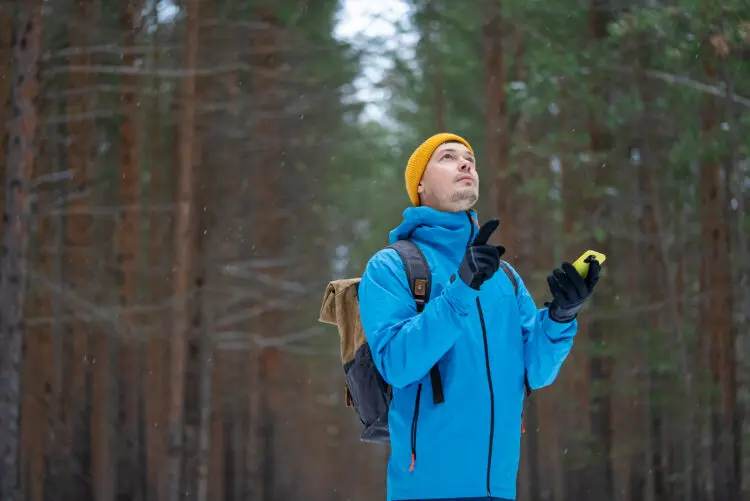
Winter mornings are the coldest part of the day. When you go straight from a heated indoor environment to the cold outside, your blood vessels constrict rapidly, causing blood pressure to rise quickly. Especially right after waking up, the autonomic nervous system is not fully regulated, increasing cardiovascular strain. It is safer to dress warmly indoors, lightly stretch to raise your body temperature, and then step outside slowly. ‘Going out as soon as you wake up’ is the first action that winter high blood pressure patients should avoid.
Suddenly Taking a Hot Shower or Sauna
The habit of suddenly jumping into hot water to warm up is also dangerous. A rapid change in temperature can cause blood vessels to suddenly expand and then contract again, increasing blood pressure fluctuations. This is especially true when there is a significant temperature difference between the bathroom and bedroom, leading to dizziness or palpitations. It is better to start with lukewarm water for a shower and gradually increase the temperature. The principle is ‘slowly warm’ rather than ‘suddenly hot’.
Engaging in Intense Outdoor Activities like Shoveling Snow
Actions like shoveling snow or moving vigorously on icy roads can put a significant strain on winter high blood pressure patients. Exerting yourself suddenly in a cold environment can cause both blood pressure and heart rate to spike simultaneously. The risk of cardiovascular incidents is higher, especially in the early morning hours. It is safer to exercise lightly indoors, and if outdoor activities are necessary, you should warm up sufficiently and move slowly.
Eating Salty Winter Foods Mainly with Broth
In cold weather, people tend to seek out soup dishes like stews and hot pots. The problem is that sodium intake can increase significantly without you realizing it. Sodium retains water in the body, increasing blood volume, which leads to a rise in blood pressure. In winter, people also tend to eat saltier due to a dulled sense of taste. Leaving broth behind and reducing the seasoning of side dishes can make a big difference in blood pressure management.
Neglecting to Hydrate
In winter, you sweat less and may not feel thirsty. However, drinking less water can make your blood sticky and increase vascular resistance, leading to higher blood pressure. Dehydration in winter is an unnoticed risk factor, especially for high blood pressure patients. Even if you don’t feel thirsty, it is necessary to consciously develop a habit of drinking water. Warm water or unsweetened tea can also help.
Living in an Environment with Temperature Differences Indoors and Outdoors
Going back and forth between a well-heated indoor space and the cold outdoors multiple times a day causes blood vessels to continuously contract and expand. If this process accumulates, it becomes difficult to control blood pressure. Caution is also needed in relatively cold spaces like the entrance or bathroom. Maintaining a consistent indoor temperature and preparing outerwear before going out can reduce the risk of sudden blood pressure spikes.
Only Measuring Blood Pressure at the Hospital
Blood pressure increases in winter often occur without noticeable symptoms. If you only measure your blood pressure during hospital visits, you may miss changes in your daily life. It is important to measure and record your blood pressure consistently at home at the same time to understand your blood pressure patterns. If your morning blood pressure is repeatedly high, it signals the need to check your lifestyle habits. Managing high blood pressure in winter starts with ‘checking blood pressure’ rather than ‘avoiding the cold’.
The biggest enemy of high blood pressure in winter is not the cold itself, but the way we respond to the cold. The moment you unconsciously repeat behaviors that are different from usual, your blood pressure reacts first. By simply checking small lifestyle habits, managing blood pressure in the middle of winter can become much easier.