As pets age, both their bodies and minds slow down simultaneously. Instead of running or jumping like before, they spend more time lying down, and their reactions to stimuli are delayed, which is unfortunate. During this time, excessive exercise can actually be a burden, but completely reducing activity is also not advisable. What senior pets need is not 'play that involves a lot of movement' but play that protects their joints while stimulating their brains. Let's explore games that can be easily practiced at home.
If you think about joints — 'slow-moving play' is fundamental
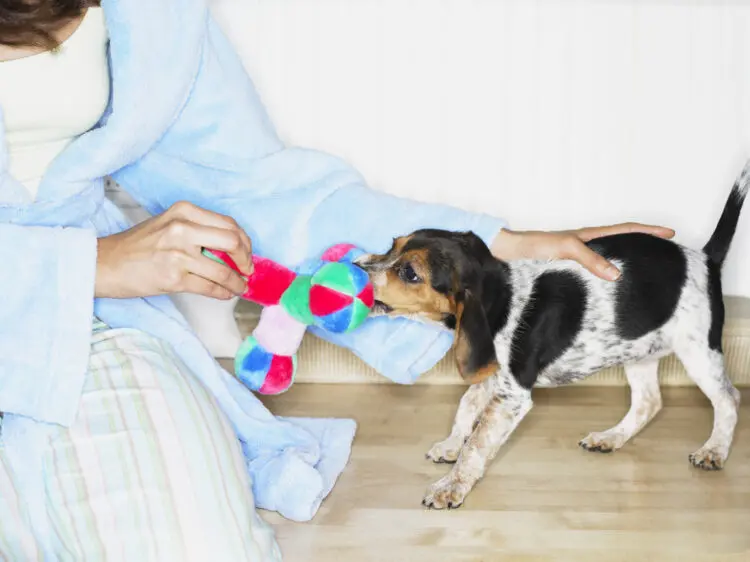
The important principle for both senior dogs and senior cats is to avoid sudden movements. Games that involve throwing a ball far away or suddenly changing direction can put a strain on joints and ligaments. Instead, rolling a ball slowly on the floor or guiding their gaze with movements at a low height is appropriate. The experience of 'using the body gently' is more beneficial for maintaining the muscles around the joints and circulation than the size of the movement. Additionally, pet owners should also pay attention to a non-slippery floor environment.
For senior dogs — games that use both smell and brain simultaneously
Even as dogs age, their sense of smell tends to be maintained for a relatively long time. Games that involve hiding treats rolled in a towel or placing them in a box for them to find can stimulate their brains without straining their joints. By placing scent clues around the house and encouraging them to move slowly, the 'thinking process' becomes the core of the play rather than the distance walked. Even with a short amount of time, satisfaction is high, and they often appear calmer after play. It's important to adjust the difficulty to prevent excitement.
For senior cats — hunting games without jumping are effective
Hunting games are an important instinctual stimulation for cats even in their senior years. However, high jumps or sudden landings can strain their joints, so floor-centered play is preferable. Moving fishing rod toys slowly from a low position can help induce tracking and focus without strain, providing cognitive stimulation. Instead of long sessions, short and highly focused play several times a day is suitable. It's also good to provide a space where they can rest immediately after play.
If brain stimulation is needed — use puzzle feeders
Puzzle feeders or nose work mats are tools that stimulate cognitive function without straining joints, and for senior cats, it's best to choose forms that do not touch their whiskers. Instead of eating food or treats immediately, they are encouraged to think and choose, naturally increasing brain activity. It's important to start with products of low difficulty to build successful experiences. Repeated failures can lead to stress. Once they become accustomed, the amount of treats can be adjusted to manage play and meals simultaneously.
Playtime should be — short and frequent is the answer
Senior pets recover their stamina slowly, so longer play sessions can easily lead to fatigue. The most ideal approach is to divide short play sessions of about 5-10 minutes several times a day. If they show signs of breathlessness or fatigue after play, the intensity should be lowered. Remember that the purpose of play in senior years is not to improve stamina but to 'maintain' current functions.
Guardian participation — the safest stimulation
As pets enter their senior years, the voice and touch of the guardian become a greater stimulus than toys. Speaking slowly, reviewing simple tricks, and playing with gentle touches all contribute to emotional stability and brain activation. The more the guardian participates, the higher the immersion and satisfaction in play naturally become. Above all, the guardian is the one who can best observe the pet's reactions, making participation the best safety measure.