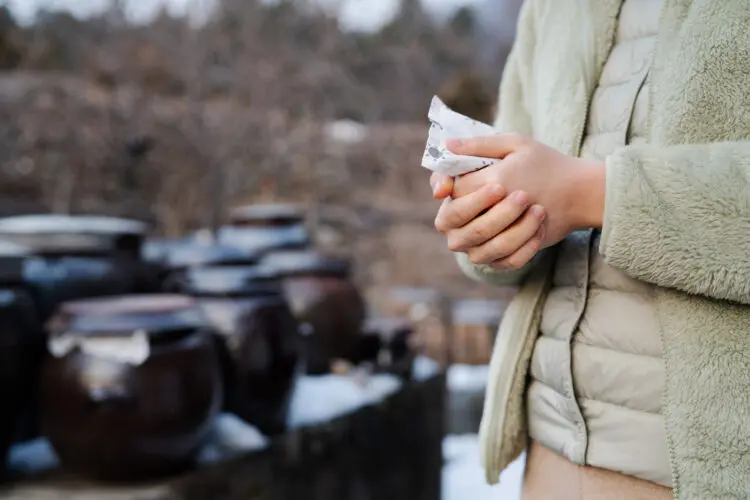
As winter comes, hot packs naturally become a staple in our hands. However, many people feel regret over disposable products that are used once and thrown away. Recently, reusable 'natural grain hot packs' have emerged as an alternative. This choice not only goes beyond saving money but also considers skin irritation and safety, attracting attention. Knowing how to use them can significantly improve your winter warmth habits.
Why are natural grain hot packs more practical than disposables?
Natural grain hot packs are made using materials like rice or red beans that retain heat for a long time. When heated in a microwave, they do not spike in temperature suddenly, and the warmth lasts gently. This makes them less burdensome on sensitive areas of the skin, such as the shoulders, back, and abdomen. They can be reused, reducing waste, and in the long run, they lower cost burdens. However, to prevent hygiene issues, they should be cooled and dried sufficiently after use to avoid moisture remaining inside.
The method to make them at home is simpler than you think
Natural grain hot packs can be made without special tools. Simply put rice or red beans into a cotton pouch or thin towel, tie it securely, and heat it in the microwave for about 1-2 minutes. However, since the amount of grain and the microwave may vary, it’s best to heat them in increments of about 1 minute and check. When using for the first time, it’s safer to heat for a short time to check the temperature. They can be reheated as needed, making them highly versatile. Just be careful not to overheat them, as the grains can burn, so it’s important to adjust the time accordingly.
For adhesive hot packs, be sure to check this point before use
Adhesive disposable hot packs are convenient but require caution. Since they adhere closely to the skin, the risk of low-temperature burns increases with prolonged use. The basic principle is to apply them over clothing and not to keep them on the same area for too long. It is especially advisable to avoid using them while sleeping, as you may not notice burns due to dulled temperature sensation. It is safest to remove them when you feel warmth.
Disposable hot packs can be recycled with deodorants before disposal
Once used, disposable hot packs cannot be reused, but if they are completely cooled, they can be utilized as household aids. Placing them in shoe cabinets or storage boxes can help reduce moisture and odors. However, avoid using them in a way that breaks down the contents or comes into direct contact with the external environment, as they contain chemical components that may pose safety issues. It is advisable to limit their use to 'auxiliary purposes' rather than reuse.
Basic rules to remember
The most common accident when using hot packs is low-temperature burns. Even if they don’t feel hot, prolonged contact can cause skin damage. It is best to place them over clothing and not keep them on the same area for more than 15-20 minutes. Children and the elderly may have dulled skin sensations, so extra caution is needed. In winter, safe usage habits take precedence over intensity. Whether disposable or grain-based, knowing how to use hot packs properly is essential for a comfortable winter. Keeping warmth for a long time and safely is simpler than you think.