In January, the options for seasonal foods expand. As we pass through the coldest winter with the lowest water temperatures, seafood becomes firmer and more flavorful, and vegetables or seaweeds with high nutritional density appear on the table. From winter fish like doru-muk, cockles, cod, and pollock to spinach, seaweed, and taro. Seasonal ingredients that have grown while enduring the cold naturally help to strengthen the body. The colder it gets, the more "what to eat" affects your condition.
Doru-muk, with Abundant Eggs and Flesh
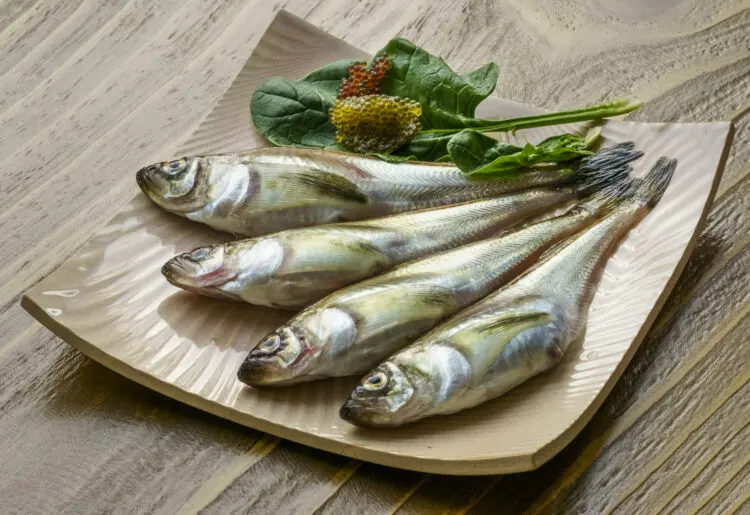
Doru-muk is at its most abundant in eggs and flesh in January, just before spawning. Compared to early winter, the flesh is tender and the eggs are full, providing a deep flavor in soup dishes. Rich in protein and calcium, it helps maintain muscle and bone health, which can easily be affected by the cold wave. It pairs well with dishes that are simmered like doru-muk stew or braised dishes, where the savory flavor naturally seeps into the broth. When cooking, it is best to cook slowly over medium-low heat to prevent the eggs from bursting. If freshness declines, it can develop a fishy smell, so it is important to cook it quickly after purchase.
Cod, with Firm Flesh and Deep Flavor
Cod becomes firmer and its flavor deepens in January and February, just before spawning. With low fat and high protein, it is a fish that can be enjoyed without burden even in the cold wave. Clear soup dishes like cod soup or jiri warm the stomach and help revive the appetite dulled by the cold. Rich in vitamin B and amino acids, it is suitable for the winter when physical energy consumption is high. However, if boiled for too long, the flesh can easily break apart, so it is important to control the cooking time. If not fresh, it can develop a fishy smell, so it is essential to check the condition carefully.
Pollock, a Traditional Nourishing Fish that Shines in Winter
Pollock has long been considered a representative fish of mid-winter. Regardless of its form, whether it is fresh pollock, dried pollock, or yellow pollock, it is particularly consumed in large quantities during winter. Rich in amino acids, it helps recover the body tired from the cold and provides comfort to the stomach. Dishes like fresh pollock soup or pollock stew are representative nourishing menus that help relax the stiff body during the cold wave. Thanks to its mild flavor, it pairs well even on days when spicy food is burdensome. However, salted or dried products may have high sodium content, so it is necessary to control the intake amount.
Cockles, with Enhanced Umami Flavor in Lower Water Temperatures
Cockles become firmer and their unique umami flavor is maximized in January and February, when water temperatures are at their lowest. This is why they are rated to taste better during this time than in December. Rich in iron and taurine, they help alleviate fatigue often felt in winter and maintain blood circulation. When boiled and mixed or served as bibimbap, their chewy texture comes alive, providing sufficient flavor even without strong seasonings. Care must be taken to thoroughly soak them before cooking to avoid sand. Since they are somewhat salty, it is advisable not to season them too heavily.
Taro, a Hidden Nourishing Ingredient Sought in Winter
Taro is harvested from late autumn to winter, but actual consumption is concentrated in winter. Rich in starch and minerals, it helps replenish energy consumed during the cold wave. When added to soup dishes like taro soup or taro stew, it provides both satiety and warmth. Its unique slippery texture also gently wraps the stomach. However, raw taro contains irritating components, so it must be cooked before consumption, and it is advisable to wear gloves while handling it. It is a great ingredient to add variety to the winter table.
Spinach, Complementing Blood Circulation Dullness Caused by the Cold
Spinach has thick leaves and high nutritional density in January, the heart of winter. Rich in iron and folic acid, it helps with blood circulation, which can easily become sluggish due to the cold. It is especially good to add to the diet if you often feel cold hands and feet or fatigue in winter. Whether blanched and mixed or added to soup, it tends to have minimal nutrient loss, and it can be consumed with just a short cooking time. It also helps balance the diet during a season when greasy foods become more frequent. Cooking for too long can reduce the texture, so it is best to keep the cooking time short.
Seaweed, Tender Sea Vegetable Enjoyed in January
Seaweed is a type of seaweed that can only be properly tasted between winter and early spring. In particular, seaweed in January has a tender texture and rich flavor, making it suitable for seaweed soup or cold dishes. Rich in iodine and various minerals, it helps maintain metabolism during winter. When eaten with rich seafood dishes, it also refreshes the palate. It is advantageous to use it lightly blanched to preserve its texture and aroma. If boiled for too long, it can become tough, so it is important to control the cooking time.
Seaweed, a Good Winter Seaweed for Mineral Supplementation
Seaweed is a type of seaweed harvested in winter, and its flavor and nutrition stabilize the most in January. Rich in calcium, iron, and dietary fiber, it helps supplement minerals that are easily deficient in winter. When used in namul or mixed dishes, it provides a satisfying chew, and when paired with seafood, it deepens the flavor. Its unique aroma can be polarizing, so it is best not to over-season. After blanching, rinsing thoroughly makes the texture much softer.