

The extremely thin broadcaster Joo Woo-jae (39) has been warned by a veteran in the medical field about his eating habits.
On the 1st, during the broadcast of KBS 2TV 'Problematic Men in the Rooftop Room', psychiatrist Dr. Lee Si-hyung (91) and family medicine specialist Dr. Yoon Bang-bu (82) appeared, discussing the topic of one meal a day.
Joo Woo-jae revealed that he has been eating about one and a half meals a day since his 30s, asking about the relationship between eating less, looking young, longevity, and health.
In response, Dr. Lee Si-hyung said, "I absolutely do not recommend eating one meal a day. I also tend to eat less, but I do not eat only one meal a day," and remarked that Joo Woo-jae is "a very special constitution."
Dr. Lee stated, "I eat three meals a day but in smaller portions. I have breakfast at 6 AM and eat dinner early to maintain a 12-hour fasting period. I also ensure nutritional balance in all three meals." He added, "After eating, one should take a light walk."
Dr. Yoon Bang-bu also advised against Joo Woo-jae's one meal a day, saying, "You shouldn't be too stingy with food. You should eat according to your activity level," emphasizing, "Eat joyfully and deliciously, but do not overeat."
The 'one meal a day' diet, a type of intermittent fasting, gained significant popularity last year amidst a dieting craze among people of all ages. While it can help reduce total caloric intake and aid in weight loss, there are warnings about the risks of nutritional deficiencies, binge eating, and muscle loss if sustained over a long period.

One Meal a Day
One meal a day is an intermittent fasting method where only one meal is consumed daily. It can lead to weight loss and metabolic improvement, but it also carries risks of nutritional imbalance and muscle loss.
One meal a day naturally reduces caloric intake, leading to short-term weight loss effects. It has been confirmed to contribute to fat burning and improved insulin sensitivity during fasting periods. There are also cases of improved blood sugar and cholesterol levels, and some have shown normalization of fatty liver levels, indicating positive effects on metabolic health.
Additionally, there are studies suggesting that activation of the sirtuin gene can enhance immunity, prevent aging, and contribute to longevity. It is also mentioned that it may reduce inflammation, allow the digestive system to rest, and improve concentration.
However, there can be occurrences of nutritional deficiencies, muscle loss, fatigue, hair loss, and fluctuations in blood sugar levels, as well as risks of increased LDL cholesterol or blood pressure. It is unsuitable for those with diabetes or cardiovascular diseases, those in growth phases, and pregnant women, and can lead to binge eating or yo-yo effects if sustained long-term.
Diet Composition Tips
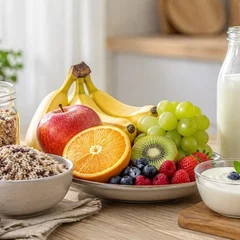
If you are doing one meal a day for dieting or other reasons, you should evenly consume protein (100-150g of chicken breast, salmon, tofu), vegetables (at least 200g of broccoli, spinach), complex carbohydrates (half a bowl of brown rice), and healthy fats (avocado, nuts) in one meal. Protein is essential for muscle protection, vegetables provide satiety, healthy carbohydrates help stabilize energy, and healthy fats balance hormones. Fix your meal time to the afternoon or evening, and drink water or unsweetened tea during fasting periods.
The recommended eating method is to follow Dr. Lee Si-hyung's advice of eating three meals a day, maintaining nutritional balance, and keeping appropriate fasting periods. If you start intermittent fasting due to the need for dieting, you should approach it considering your health status and caloric expenditure. Maintaining fasting with a 16:8 method while trying one meal a day for a short period is appropriate. Combine it with strength training to minimize side effects, and replenish carbohydrates when running.