The health authorities have officially adjusted the recommended carbohydrate intake ratio during meals. This seems to reflect various research results indicating that we should consume fewer carbohydrates for health maintenance. The Ministry of Health and Welfare and the Korean Nutrition Society have revised the nutrient intake standards after analyzing data over three years. Carbohydrates are essential nutrients that supply energy for the body to function, but excessive consumption can lead to rapid blood sugar spikes, obesity, and hyperlipidemia.
Why was the recommended carbohydrate intake ratio reduced from 55% to 50%?
The revised 'Nutrient Intake Standards for Koreans' was released on the 31st after the Ministry of Health and Welfare and the Korean Nutrition Society analyzed domestic and international studies and the results of the National Health and Nutrition Survey. It contains guidelines on how much of 41 nutrients is appropriate to consume. The recommended protein ratio has increased from the previous 7-20% to 10-20%. In contrast, the recommended carbohydrate intake ratio has decreased from 55-65% to 50-65%. The recommended fat ratio remains unchanged at 15-30%. The total sugar intake guideline is limited to within 20%, and the added sugar intake guideline is limited to within 10%. A statement encouraging the reduction of sugary beverage consumption has been added.
How to consume rice, noodles, bread, and potatoes... Tasty white rice vs. coarse mixed grain rice
Carbohydrates are foods made from grains such as rice, noodles, bread, and potatoes. They are nutrients that provide energy needed for activity, but excessive consumption can cause rapid blood sugar spikes, obesity, and hyperlipidemia. In particular, refined carbohydrates (white flour, white rice) that have had their skins removed taste good but are absorbed quickly by the body, leading to a rapid increase in blood sugar. According to the Korean Diabetes Association, reducing excessive intake of carbohydrates and fats helps in the prevention and management of diabetes. It is better to consume foods made from mixed grains and whole grains. They are high in dietary fiber, which delays digestion and absorption, allowing for a slower rise in blood sugar.
After Eating Bread in Addition to Rice in Ramen Broth... Could There Be a Worst Blood Sugar Spike?
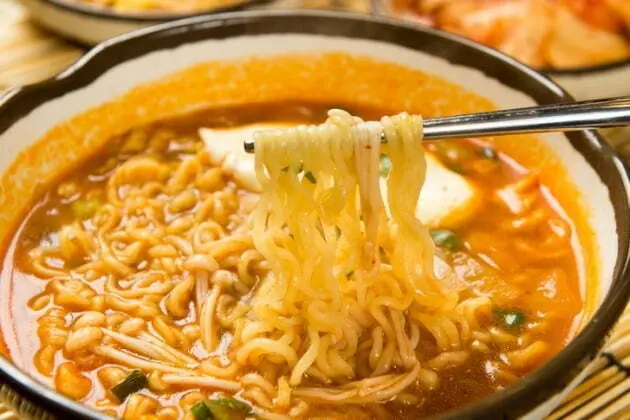
Many instant noodles and breads on the market are made from refined carbohydrates. People who usually enjoy noodles may eat rice in the broth after finishing the ramen. This can double the carbohydrate intake. If they also eat bread from a store where they stopped to drink coffee, it results in excessive carbohydrate consumption. It is possible to consume the entire recommended daily intake in one meal. If rice, ramen, and bread enter the body almost simultaneously, a blood sugar spike can occur. If one enjoys a nap right after, the blood sugar spike may worsen.
After Adding Bean Sprouts and Eggs to Ramen... What Are the Effects of Dietary Fiber and Protein?
For someone who used to eat two servings of ramen, one serving may feel insufficient as they age. At this time, let’s add plenty of vegetables like bean sprouts and mung bean sprouts, along with an egg. The dietary fiber provides a feeling of fullness, which may eliminate the desire to eat rice or bread. It also helps reduce the saturated fat in ramen. The protein from the egg, along with the noodles, slows down digestion and absorption, preventing blood sugar spikes. In other words, while carbohydrates are essential nutrients, consuming too much can cause blood sugar to soar and lead to weight gain. It can also negatively affect vascular health. It is advisable not to overeat mixed grains and whole grains either. Moderation is the most important factor in managing blood sugar and obesity.