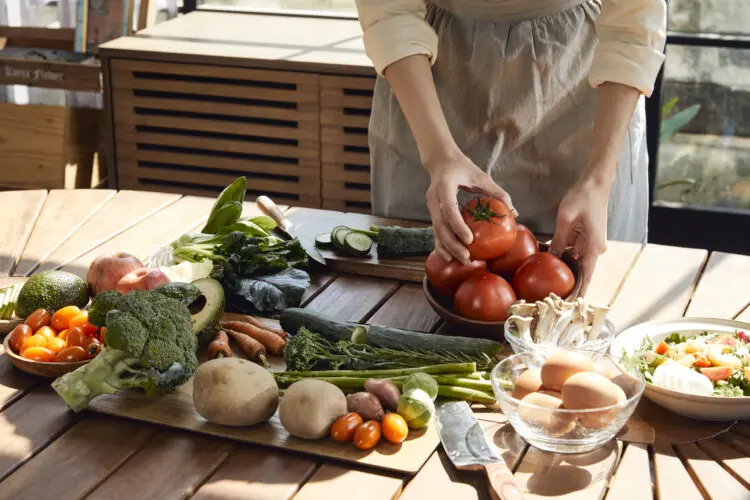
Will simply switching to good cosmetics really improve your skin? In reality, skin is not perfected solely by topical care. While your natural skin tone and complexion are important, the type of food you frequently eat clearly shows differences in complexion and transparency. If you want to take care of your skin, let’s start by changing the food on your table right now.
Vitamin C Foods, Melanin Suppression and Antioxidants
Vitamin C plays a crucial role in inhibiting the oxidative reactions involved in melanin production and protecting the skin from oxidative stress. Foods rich in Vitamin C, such as tangerines, kiwis, strawberries, and broccoli, help alleviate the impression of dull skin. Instead of consuming a large amount at once, spreading it out over the day is more efficient in terms of absorption and skin response. Consistent intake is key to maintaining skin tone.
Red Vegetables and Fruits, Improving Blood Flow and Complexion
Foods that are red, such as tomatoes, beets, and pomegranates, are rich in antioxidants and help with blood flow. In particular, the nitrates found in beets are known to convert to nitric oxide in the body, which is associated with vasodilation and improved blood flow. These foods do not brighten the skin immediately but rather create a gradual effect of stabilizing and revitalizing the complexion. Consistency is important.
Green and Yellow Vegetables, Antioxidant Action Protecting Skin Cells
Green and yellow vegetables like spinach, kale, and broccoli are rich in beta-carotene and lutein. These components contribute to slowing down skin aging and preventing dullness through antioxidant actions that protect cells from free radicals. Especially in environments frequently exposed to stress and external stimuli, consuming these vegetables becomes even more important. Eating them with a small amount of fat, like olive oil, increases absorption rates.
Fermented Foods, Improving Skin Condition through Gut Health
Fermented foods like kimchi, yogurt, and soybean paste are representative foods that help balance gut microbiota. When gut function is smooth, waste elimination and metabolic rhythms stabilize, and these changes can indirectly affect skin condition and complexion. When the gut is uncomfortable, the processes of nutrient absorption and waste elimination are not smooth, making skin responses sluggish. This is why gut health is mentioned as a fundamental aspect of skin care.
Nuts and Seeds, Protecting Skin Barrier with Fats
Nuts and seeds like almonds, walnuts, and sunflower seeds are rich in Vitamin E and unsaturated fatty acids. These components help protect the skin barrier and reduce moisture loss, preventing the skin tone from appearing dull. However, since they are relatively high in calories, a small handful per day is appropriate. Just changing your snack choices can make a difference in skin condition.
Hydration, The Basic Condition for All Skin Care
No matter how nutritionally balanced your meals are, if hydration is lacking, the effects on skin tone improvement will inevitably be limited. Water plays a role in blood circulation and waste elimination, helping the skin appear clear. It is important to develop a habit of drinking water multiple times throughout the day, and sugary drinks or excessive caffeine intake can actually lead to skin dryness. The more dull your skin appears, the more you need to check your hydration status.
Skin tone does not change dramatically in a short period. However, daily eating habits are relatively honestly reflected in the skin. This is why it’s important to look at your table before changing your cosmetics. The commonality among those who hear compliments about their improved skin is that their food choices were different from the start.