"It's all for your own good." This phrase, which used to be understood as consideration, can now feel burdensome to those in their 20s and 30s. The MZ generation is much more sensitive to the 'context and manner' in which advice is given than to the 'content' of the advice itself. There is a clear tendency to perceive the fatigue felt in relationships not merely as a mood issue but as a health issue. A careless remark can lead to communication breakdown and stress.
"These kids these days" | The Trap of Generalizing Generations
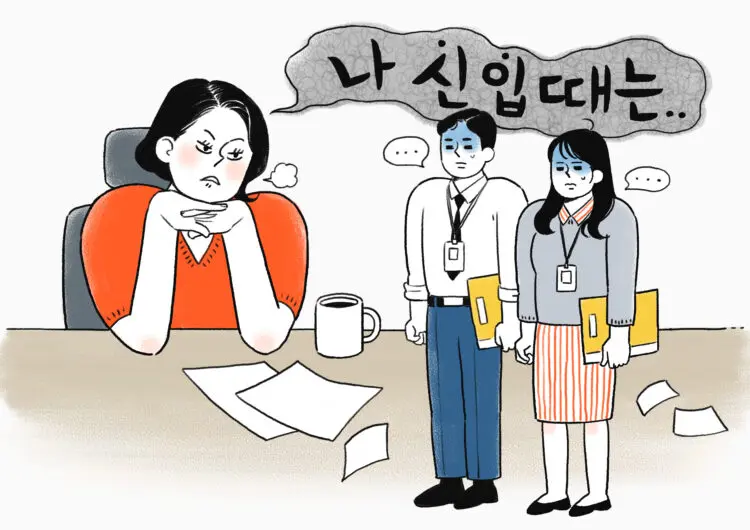
The moment 2030 closes their hearts the fastest is when they hear someone lumping individuals together as a 'generation.' The expression 'these kids these days' already carries an evaluation and a distancing. The experience of being defined as a single group while erasing individual circumstances and contexts creates a perception of not being respected. Such statements can provoke a defensive attitude before a conversation even begins, and can rapidly lower the psychological temperature of the relationship. The more it is repeated, the greater the likelihood of chronic stress in organizations or personal relationships.
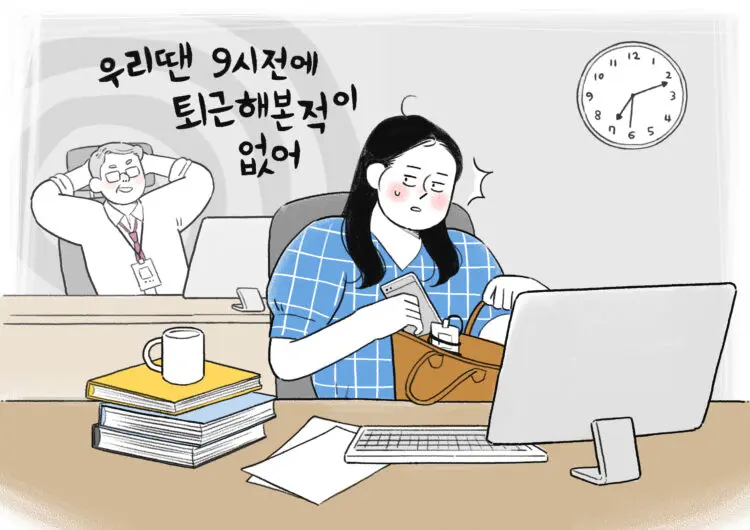
"Back in my day" | Pressure Based on Experience
Using one's past experiences as a standard for the present is also a typical signal of being old-fashioned. Even though the environmental conditions, labor conditions, and values have changed significantly, the attitude of trying to apply past success formulas acts as a burden rather than advice. Especially in workplace or family relationships, when such statements are repeated, the listener is likely to feel their autonomy is being infringed upon. This can lead to decreased motivation, relationship fatigue, and in the long term, burnout.
"Is it really that hard?" | Minimizing Emotional Responses
When someone expresses that they are struggling, the comparisons and minimizations that follow are perceived as denial rather than empathy. Those in their 20s and 30s are particularly sensitive to situations where the size of their emotions is compared like a competition. Such reactions can stifle emotional expression and force individuals to endure stress alone. Repeated experiences of not having their emotions acknowledged can easily lead to anxiety and depression, and can also lower trust in relationships.
"Just endure, it will all pass" | Advice That Forces Patience
Advice that considers endurance a virtue is also a point of caution for the current generation. Those in their 20s and 30s prefer methods that adjust and improve problems rather than just enduring them. The phrase 'it will all pass' gives the impression of trivializing current pain and can block opportunities to ask for help again. The habit of suppressing emotions can increase the secretion of stress hormones, leading to sleep problems and physical fatigue.
"So the conclusion is this" | Advice with a Pre-determined Answer
While it may seem like a conversation is happening, a speaking style that has already predetermined the answer is also where 2030 feels fatigue. A method that pretends to ask for opinions but ultimately leads to one's own conclusion is easily perceived as instruction rather than communication. When such experiences are repeated, individuals may avoid conversations altogether, and relationships can become increasingly formal. The speaker may feel they are being kind, but the listener is likely to feel controlled.
Words That Leave 'Choices' Save Relationships Rather Than 'Advice'
What is important to those in their 20s and 30s these days is not words that tell them the right answer, but the possibility of making choices. Expressions that leave room, like "This is right" versus "There are also these methods," reduce psychological burdens. The sense of stability felt in relationships is directly linked to mental health and plays a role in lowering unnecessary stress. A single word can determine whether one becomes an old-fashioned person or shows consideration, and the choice of language stems from an attitude of trying to understand the other person's standards.