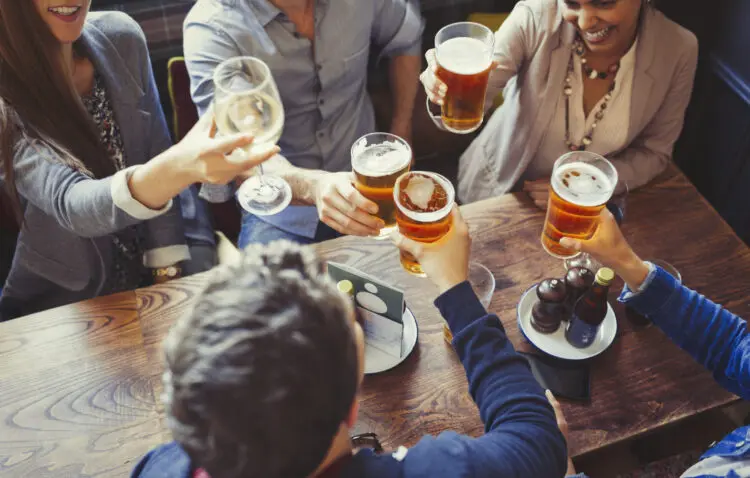
Many people regret the sudden weight gain the day after drinking. In fact, alcohol is high in calories at 7 kcal per gram. However, it is often the food consumed and the drinking patterns that have a greater impact on weight gain than the type of alcohol. If you find yourself in a drinking situation that you cannot avoid while dieting, you need to change your strategy. Here are some ways to enjoy soju, beer, and wine with less weight gain.
Soju | The Key is the 'Food Pairing'
Soju has a high alcohol content, making it relatively high in calories. However, it has almost no sugar content, so the factors that more significantly affect weight change are the food consumed and the drinking method. In particular, salty foods can increase thirst, leading to more drinking, and greasy foods can inhibit fat burning during alcohol metabolism, accelerating fat accumulation. Choosing lighter dishes like grilled fish, steamed dishes, sashimi, and seafood instead of pork belly, pancakes, or fried foods can significantly reduce overall calorie and fat intake at the same drinking occasion. Drinking plenty of water in between can naturally slow down the drinking pace, reducing both overconsumption and next-day bloating.
Beer | 'Carbohydrates and Drinking Speed' Over Alcohol
Beer feels light due to its lower alcohol content, but it contains a lot of carbohydrates from grains, which can quickly raise blood sugar levels. In particular, its cold and smooth texture makes it easy to drink quickly without realizing it, and this absorption speed can stimulate insulin secretion, increasing the likelihood of fat storage. It is effective to drink from smaller glasses instead of large ones and to control the pace with water or non-alcoholic beverages after the first drink. High-fat and high-sodium snacks like chicken, fries, and sausages create the most unfavorable combination for weight management when paired with beer.
Wine | Relatively Stable if You Stick to Type and Amount
Wine has a lower sugar content compared to other alcoholic beverages and is often consumed slowly, which reduces the risk of overeating. However, sweet wines or dessert wines can lead to a rapid increase in sugar intake, so caution is needed. If you are considering weight management, limiting dry wine to 1-2 glasses is a realistic guideline. For snacks, choosing protein and fat-rich options like cheese, nuts, olives, and salads over bread or crackers can help stabilize blood sugar fluctuations.
Common Drinking Tips | 'Protein First' Prevents Overeating and Overdrinking
Drinking on an empty stomach can speed up alcohol absorption and increase blood sugar fluctuations, leading to a rapid increase in snack intake. Eating protein-rich foods first before or at the beginning of drinking can quickly create a feeling of fullness, naturally reducing overall intake. Proteins that are easy to digest, such as eggs, tofu, fish, and lean meats, are particularly effective. In fact, consuming protein first can also slow down alcohol absorption, helping to prevent a rapid onset of intoxication.
Key to Weight Management | Change the 'Drinking Pattern' Rather Than the Alcohol
What influences weight is not just a single drink but the repeated drinking habits. Even at the same drinking occasion, the choice of snacks, drinking speed, and water intake can completely change the outcome. A strict abstinence approach is hard to maintain in the long run. Knowing and practicing the selection criteria and drinking patterns suitable for the type of alcohol can significantly reduce the burden of weight management. Ultimately, what determines your physical condition the next day is not 'how much you drank' but 'how you drank.'